
Beyond the Canvas: Exploring the Digital Art Revolution through NFTs
Beyond the Canvas :
Introduction:
In the world of art, a digital revolution is underway. Non-Fungible Tokens (NFTs) are transforming the way we perceive, buy, and sell art. Let's delve into the fascinating realm of NFTs and explore how they are revolutionizing the art industry beyond traditional canvas.
Art has always been deeply rooted in physicality, with paintings and sculptures adorning galleries and homes. However, the rise of NFTs has disrupted this notion by introducing a new era of digital art ownership. NFTs are unique tokens that utilize blockchain technology to establish verifiable ownership and authenticity in the digital realm. By leveraging the transparency and security of blockchain, NFTs have created a groundbreaking paradigm shift for artists, collectors, and art enthusiasts alike.
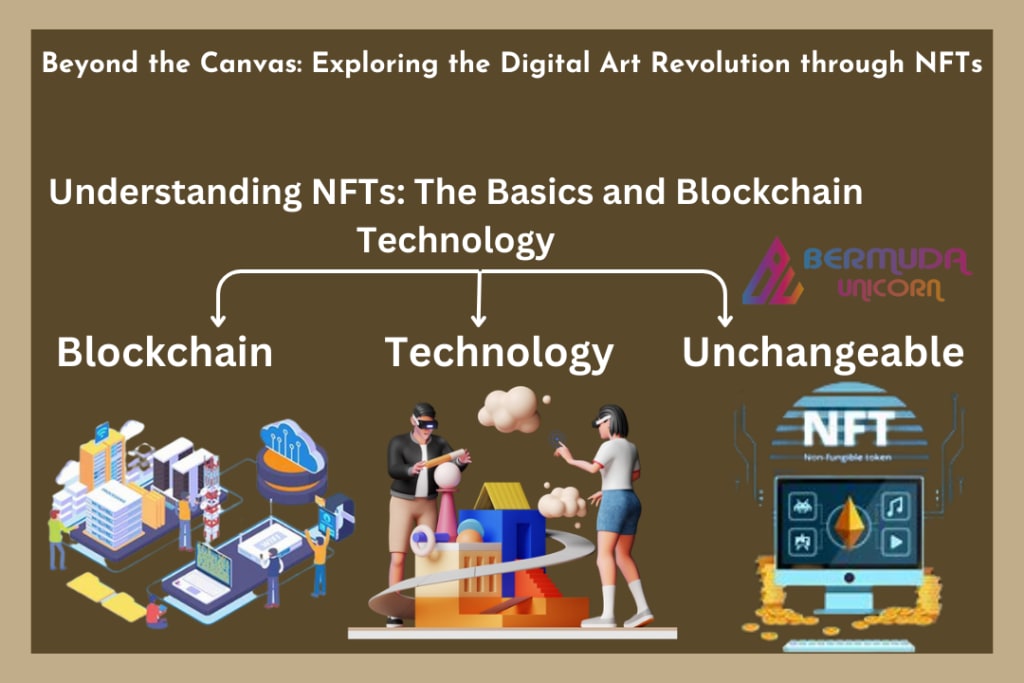
Understanding NFTs: The Basics and Blockchain Technology
Understanding the underlying technology is crucial to understanding how NFTs will affect society. Blockchain is a decentralized, unchangeable digital ledger that is used to build NFTs. Because of this technology, each NFT is unique and cannot be copied or altered. Blockchain creates a system of trust by offering transparency and traceability, giving artists and collectors the confidence to participate in digital transactions.Entry barriers have been destroyed by NFTs, democratizing the art world in unimaginable ways. Since established institutions frequently control traditional art markets, NFTs provide a forum for up-and-coming artists to demonstrate their talent and win acclaim on a worldwide level. Additionally, NFTs have broadened the notion of art itself by enabling the tokenization of several digital assets, such as virtual homes, virtual clothes, virtual music, and virtual games. Artists now have the chance to experiment with new mediums and engage viewers in fresh ways.
Redefining Ownership and Empowering Artists with NFTs
One of the most transformative aspects of NFTs is their ability to redefine ownership in the digital art landscape. Traditionally, digital art suffered from issues of unauthorized duplication and lack of provenance. NFTs address these challenges by providing a digital certificate of authenticity that verifies the uniqueness and ownership of a piece. This empowers artists to retain control over their work, set royalties, and directly monetize their creations without intermediaries.
Democratizing Art and Expanding Creative Possibilities with NFTs
Entry barriers have been destroyed by NFTs, democratizing the art world in unimaginable ways. Since established institutions frequently control traditional art markets, NFTs provide a forum for up-and-coming artists to demonstrate their talent and win acclaim on a worldwide level. Additionally, NFTs have broadened the notion of art itself by enabling the tokenization of several digital assets, such as virtual homes, virtual clothes, virtual music, and virtual games. Artists now have the chance to experiment with new mediums and engage viewers in fresh ways.
Conclusion:
The digital art revolution fueled by NFTs has opened up unprecedented opportunities for artists and collectors. By understanding the basics of NFTs, their impact on ownership, empowerment for artists, and the democratization of art, we can fully appreciate the transformative power of NFTs. As we embrace this revolution, we must also address challenges and foster responsible practices to shape a vibrant and sustainable future for NFTs in the art industry. The canvas of art has extended beyond physical boundaries, into a realm where creativity and technology converge, ushering in an exciting new era for artists and art enthusiasts worldwide.One of the most transformative aspects of NFTs is their ability to redefine ownership in the digital art landscape. Traditionally, digital art suffered from issues of unauthorized duplication and lack of provenance. NFTs address these challenges by providing a digital certificate of authenticity that verifies the uniqueness and ownership of a piece. This empowers artists to retain control over their work, set royalties, and directly monetize their creations without intermediaries.
About the Creator
Keep reading
More stories from Sunny Bhadana and writers in Gamers and other communities.
Navigating the NFT Market: A Comprehensive Guide for Investors
Introduction The NFT market has gained significant traction, attracting investors seeking new opportunities. This comprehensive guide explores key considerations, strategies, and tips to navigate the dynamic world of NFT investments, empowering investors to make informed decisions in this emerging market.Before diving into NFT investments, it's crucial to know the fundamentals. This section provides an overview of Non-Fungible Tokens (NFTs), their characteristics, and how they change from traditional assets. Understanding the unique features and value propositions of NFTs sets the stage for informed investment decisions.
By Sunny Bhadana3 years ago in Gamers
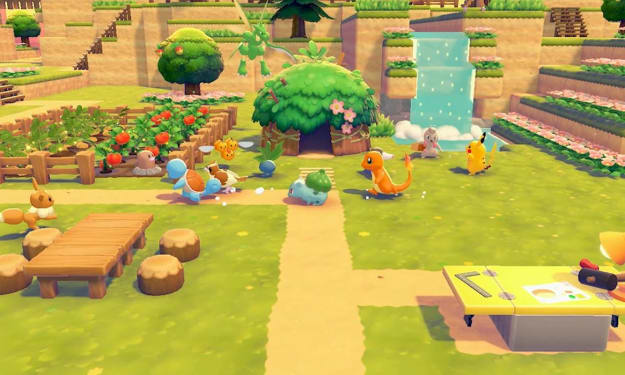
Pokémon Pootopia Review: A Fresh Farming Adventure for the Pokémon Universe
It’s safe to say that Pokémon Pootopia is one of the most anticipated games of the year—especially during the first half. The idea alone has sparked a lot of curiosity. Taking a legendary franchise like Pokémon and placing it inside a farm-life simulation style experience is a bold move.
By Bella Anderson6 days ago in Gamers
Rsvsr Rare Drops, Big Rewards: How the Sunder Charm Refreshes Diablo II: Resurrected Endgame
Blizzard’s Reign of the Warlock expansion for Diablo II: Resurrected has breathed new life into a game beloved by fans for decades. Among the many additions, one item has captured the imagination of players more than any other: the Sunder Charm.
By Billo Nali3 days ago in Gamers


Comments
There are no comments for this story
Be the first to respond and start the conversation.