
Best Practices for Cross-Platform Ludo Game Development in 2025
A Strategic Guide to Building Scalable, Engaging, and Multi-Device Ludo Experiences

Ludo, a timeless multiplayer board game, has successfully made its leap into the digital world. In 2025, the demand for cross-platform Ludo game development is booming as users expect to play seamlessly across Android, iOS, web, and even desktop environments. But creating a high-quality Ludo game that works flawlessly across platforms requires more than just great design — it demands strategic planning, technical finesse, and smart execution.
Whether you’re a startup, business owner, or game development enthusiast, this guide breaks down the best practices to help you build a scalable and engaging cross-platform Ludo game app.
What is Cross-Platform Ludo Game Development?
Cross-platform game development allows a Ludo game to run on multiple operating systems using a single codebase. Instead of building separate native apps for each platform, you develop once and deploy everywhere — saving time, cost, and effort.
For a Ludo game, this means using smartphones. Seamlessplayers on Android can easily join matches with those on iOS, or someone using a desktop browser can enjoy a match with friends compatibility equals better user retention.
Why Should You Build a Cross-Platform Ludo Game?
The benefits are clear:
Larger audience reach: One game, many platforms — maximum visibility.
Cost-efficiency: No need for separate development teams for iOS, Android, and web.
Unified updates: Changes and improvements reflect across all platforms simultaneously.
Faster time-to-market: You launch quicker and can capture market trends faster.
In today’s hyper-competitive gaming industry, cross-platform Ludo game development isn’t a luxury — it’s a necessity.
Must-Have Features for a Successful Ludo Game App
To attract and retain users, your Ludo game should go beyond the basics. Here are the features every cross-platform Ludo game must include:
Real-time multiplayer gameplay for engaging matches with friends or strangers.
Smart matchmaking algorithms for fair and fast gameplay.
Offline mode to let users play without the internet.
Voice chat & emojis to enhance the social experience.
Daily bonuses, leaderboards, and coin systems for user retention.
Game room codes for private matches.
Multi-language support to expand globally.
The more user-friendly and rewarding your game feels, the more loyal your audience becomes.
Choosing the Right Tech Stack
To build a high-performance cross-platform Ludo game, you need the right tools. Some of the best technologies include:
Unity: Popular for creating rich, scalable Ludo games with 2D or 3D visuals.
Flutter: Great for building cross-platform apps with native performance.
React Native: Ideal for quick and efficient Ludo app development.
Cocos2d-x: Lightweight and best suited for 2D board games like Ludo.
Node.js with Socket.IO or Firebase: For real-time multiplayer backend.
Partnering with a skilled Ludo game development company can help you choose the right tech stack that aligns with your vision and budget.
Design Practices for a Seamless Cross-Platform UI/UX
User experience is everything. Your Ludo app should feel native on every device. Follow these design tips:
Maintain UI consistency across screen sizes and platforms.
Use scalable vector assets to avoid pixelation or distortion.
Keep navigation simple, especially for casual players.
Ensure tap targets and buttons are appropriately sized for mobile users.
Use platform-specific UI adjustments for better familiarity (e.g., swipe gestures on iOS).
Your goal is to offer a smooth and engaging experience, regardless of whether the user is on an iPhone, Android tablet, or desktop browser.
Performance Optimization Tips
No one likes laggy games. Follow these practices to optimize performance:
Compress assets and animations to reduce game size.
Optimize code and use memory efficiently to avoid crashes.
Use lazy loading for non-critical resources.
Minimize battery usage by optimizing frame rates and network usage.
Implement background task handling to reduce performance dips.
Well-optimized games lead to better reviews and longer play sessions.
Testing Across Platforms is Crucial
Thorough testing ensures your Ludo game works everywhere. Your testing plan should include:
Device compatibility testing: Run on different screen sizes, brands, and OS versions.
Platform-specific bug fixing: UI glitches, sound bugs, and control issues.
Automated regression testing: Use tools like Appium or TestFlight.
Manual QA testing: Human testing uncovers edge-case issues.
Before launch, your cross-platform Ludo game must be tested like a AAA product.
Monetization Models that Work
Your Ludo game can generate revenue in several user-friendly ways:
In-app purchases: Coins, themes, dice skins, etc.
Ads: Use rewarded video ads for extra coins or lives.
Subscription model: Offer premium access or an ad-free experience.
White-label model: Sell the game to other brands under their label.
Choose a monetization model that adds value — not annoyance — to the user experience.
Security Practices to Safeguard User Trust
Protect your game and users with strong security protocols:
Anti-cheat systems to prevent dice tampering or score manipulation.
Secure payment gateways for safe in-app purchases.
User data encryption to meet privacy laws like GDPR.
Regular backend monitoring to catch suspicious activity.
Security isn’t just a feature; it’s a foundation of trust.
Challenges in Cross-Platform Ludo Game Development
Every project has its hurdles. Here’s how to overcome common challenges:
Sync issues between platforms? Use cloud saves and real-time databases.
UI breakage on odd screen sizes? Use responsive UI design principles.
High server load? Opt for scalable cloud hosting with auto-scaling features.
Buggy behavior on older OS versions? Build with backward compatibility in mind.
A reliable Ludo game development company can guide you through these roadblocks with ease.`
Why Choose BR Softech for Ludo Game Development?
At BR Softech, we specialize in custom Ludo game development services tailored for Android, iOS, Web, and desktop platforms. From UI design to real-time multiplayer backend and deployment, our expert team helps you build a robust, scalable, and engaging game loved by global users.
Final Thoughts:
Cross-platform Ludo game development is no longer a trend — it’s a standard. Players expect consistency, performance, and accessibility across every device they use. With the right strategy, tools, and development team, you can deliver a Ludo experience that’s fun, seamless, and monetizable.
Ready to build your own cross-platform Ludo app? Start today, and turn your idea into a game that everyone can play — anytime, anywhere.
About the Creator
Dodgers
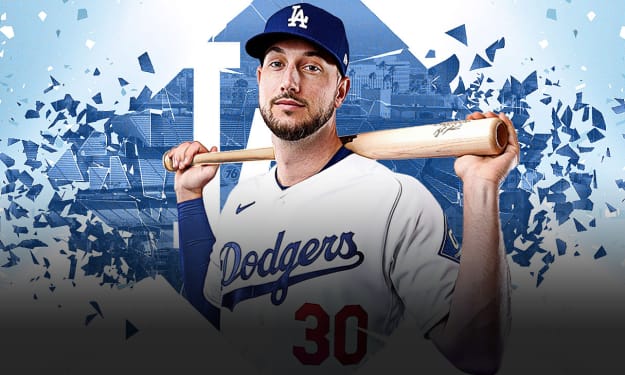
The Los Angeles Dodgers have long been one of the most influential franchises in MLB, known for combining elite player development with the financial flexibility to pursue top-tier talent. From consistent postseason appearances to being counted among recent World Series winners, the Dodgers continue to shape league-wide conversations. As the new season approaches, Dodgers news is once again dominated by roster construction, payroll discussions, and persistent MLB trade rumors—especially those surrounding Kyle Tucker. The Dodgers’ Identity in Modern MLB Few teams balance tradition and innovation quite like the LA Dodgers. Their front office has mastered analytics while still valuing star players who can deliver in October. The current Dodgers roster reflects that philosophy, blending established veterans with emerging talent. Over the years, names like Cody Bellinger have defined eras of success, while new possibilities continue to fuel speculation. The Dodgers’ ability to remain competitive is also tied to their willingness to maintain a high Dodgers payroll. While they are not reckless spenders, they are strategic—targeting players who can elevate both performance and brand value. Kyle Tucker and Why He Fits the Dodgers Narrative Among the most discussed names in recent MLB rumors is Kyle Tucker. A consistent offensive presence and reliable defender, Tucker has emerged as one of the most complete players in modern baseball. Naturally, that has led to growing interest in a potential Kyle Tucker Dodgers scenario. So, what position does Kyle Tucker play? Tucker is primarily a right fielder, though his athleticism allows flexibility across the outfield. That versatility makes him especially attractive to teams like the Dodgers, who value adaptable Dodgers outfielders capable of handling high-pressure situations. The phrase “Tucker baseball” has become shorthand for a balanced skill set: power, patience, and postseason reliability. It’s no surprise that Kyle Tucker news often trends alongside big-market teams. Contracts, Agents, and the Cost of Stardom Any serious discussion of Tucker to Dodgers inevitably leads to contract considerations. The idea of a Kyle Tucker contract Dodgers deal raises questions about years, value, and long-term impact. While no official Kyle Tucker deal has been announced, speculation continues around what such a move would require. The Kyle Tucker agent would likely prioritize both financial security and a winning environment—two things the Dodgers can credibly offer. Still, committing to a potential Kyle Tucker Dodgers contract would require careful planning, especially with other stars already on the books. Misspellings like kyle.tucker, kyle tuxker, or even kyke tucker frequently appear in online searches, underscoring just how much attention surrounds him across the baseball world. How Tucker Could Shape the Dodgers Lineup If a Dodgers Tucker scenario ever materializes, it would have a major impact on the Dodgers lineup. A projected middle-of-the-order bat like Tucker could slot seamlessly into a Dodgers projected lineup, offering protection for existing stars and adding depth in late-game situations. Comparisons have been drawn between Tucker and former Dodgers standouts like Bellinger, particularly in terms of two-way impact. While Cody Bellinger brought elite defense and timely power, Tucker offers a more consistent offensive profile year over year. Competition From the Mets and Other MLB Teams Of course, the Dodgers are not alone in pursuing elite talent. The NY Mets, backed by owner Steve Cohen, have made it clear they are willing to spend aggressively. Mets news often mirrors Dodgers news, especially when it comes to top-tier MLB free agents and trade targets. Names like Edwin Diaz and Bo Bichette frequently appear in league-wide discussions, highlighting how interconnected roster decisions have become. Any move involving Tucker would likely ripple across the league, influencing strategies for teams like the Mets, who remain active in both free agency and trades. MLB Trade Rumors and the Bigger Picture Sites such as MLBTradeRumors regularly analyze scenarios involving Kyle Tucker to Dodgers, though nothing has been confirmed. These rumors reflect a broader truth: elite players drive conversation, even when deals never materialize. The Dodgers understand that not every rumor becomes reality. Still, being linked to players like Tucker reinforces the team’s image as a perennial contender. Whether through trades or internal development, the goal remains the same—build a roster capable of winning another championship. Looking Ahead: What This Means for the Dodgers As the season unfolds, the Dodgers will continue to evaluate opportunities that align with their long-term vision. The idea of Dodgers Kyle Tucker is compelling, but it’s only one chapter in a much larger story about sustained excellence. With a deep farm system, financial flexibility, and a proven track record, the Los Angeles Dodgers remain at the center of MLB news. Whether or not Tucker ever wears Dodger blue, the conversations surrounding him highlight how the franchise continues to influence the direction of the league. In the end, the Dodgers’ success has never hinged on a single move. It’s about smart decisions, calculated risks, and an unwavering commitment to winning—qualities that keep them relevant, respected, and always worth watching.
By Saboor Brohi 5 days ago in Gamers



Comments
There are no comments for this story
Be the first to respond and start the conversation.