
Anticipating the Evolution and Advancements of Gaming
Gaming Technology in the Years Ahead

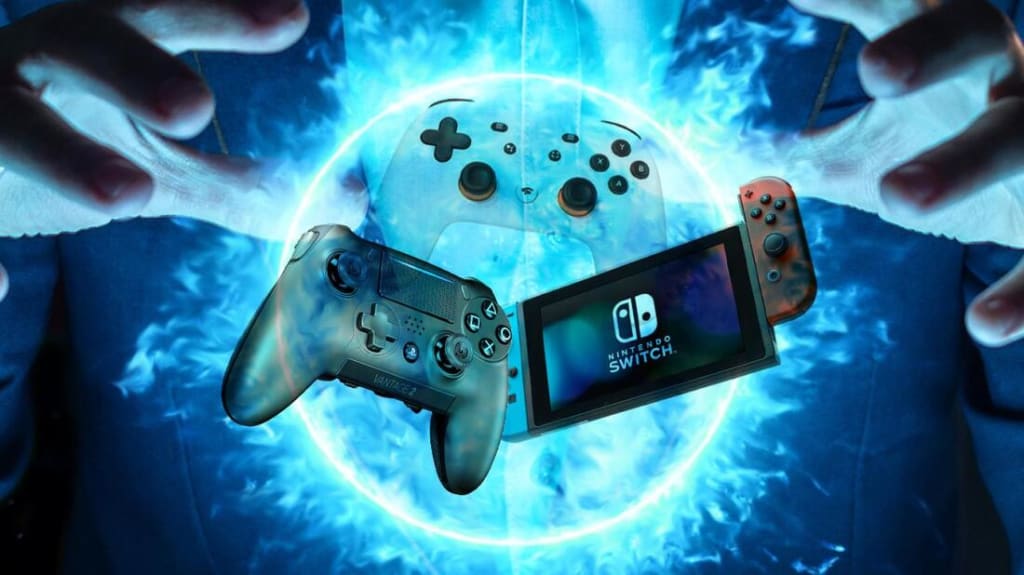
The gaming industry has come a long way since the days of Pong and Atari. Today, the gaming world is dominated by advanced graphics, immersive sound effects, and interactive gameplay that make it hard to distinguish between reality and virtual reality. With the rise of new technologies, the future of gaming is only going to get more exciting.
One of the biggest trends in gaming technology is the use of virtual reality (VR) and augmented reality (AR). VR technology immerses players in a completely virtual world, while AR technology overlays virtual elements onto the real world. Both of these technologies are already being used in gaming, but as they continue to improve, the possibilities for immersive gameplay are endless.
Another emerging technology in gaming is the use of artificial intelligence (AI). AI can be used to create intelligent NPCs (non-player characters) that can interact with players in a more human-like way, providing a more immersive experience. It can also be used to create more realistic and challenging opponents, making games more engaging and competitive.
Cloud gaming is another trend that is gaining popularity. With cloud gaming, games are streamed from the cloud to the player's device, eliminating the need for expensive gaming hardware. This technology also allows for cross-platform play, so players can play with others regardless of the device they are using. The rise of 5G networks and cloud infrastructure is expected to further increase the adoption of cloud gaming.
One of the biggest challenges facing the gaming industry is the issue of inclusivity and accessibility. Gaming technology is often expensive and requires high-end hardware, which can exclude some people from being able to play. However, advances in technology, such as cloud gaming, are making it easier for more people to access games.
The future of gaming technology also raises concerns about the potential for addiction and its impact on mental health. As games become more immersive, it can be easy for players to lose track of time and become addicted. It is important for game developers to address these concerns and create games that are enjoyable without being detrimental to players' well-being.
The gaming industry is also facing increased scrutiny over the content of games. As games become more realistic, the depiction of violence, sex, and other mature themes is becoming more common. It is important for game developers to consider the impact of their games on society and ensure that they are creating content that is responsible and appropriate.
Another challenge facing the gaming industry is the issue of piracy and intellectual property theft. As games become more popular, they also become more vulnerable to piracy, which can result in lost revenue for developers. It is important for the industry to develop effective measures to protect intellectual property and prevent piracy.
Despite the challenges facing the gaming industry, the future of gaming technology looks bright. New advances in technology are constantly being developed, and gamers can look forward to even more exciting and immersive experiences in the years to come.
One area of innovation in gaming is the use of blockchain technology. Blockchain allows for decentralized game development and ownership, enabling players to own their in-game assets and trade them with others in a secure and transparent way. This technology has the potential to revolutionize the gaming industry by creating new revenue streams and giving players greater control over their gaming experiences.
The rise of esports is also expected to continue in the future. Esports, or competitive video gaming, has exploded in popularity in recent years, with millions of people tuning in to watch tournaments and competitions. As the infrastructure for esports continues to improve, it is expected to become a major industry, with more players, teams, and sponsors getting involved.
The gaming industry is also likely to see more collaborations with other industries in the future. For example, gaming technology could be used to create more immersive and interactive experiences in areas such as education, training, and healthcare. Virtual reality could be used to simulate dangerous or difficult situations in a safe environment, while artificial intelligence could be used to create more realistic medical simulations.
In conclusion, the future of gaming technology is full of exciting possibilities. From virtual reality and artificial intelligence to cloud gaming and blockchain, new technologies are constantly being developed to create more immersive and engaging experiences for gamers. While there are challenges that need to be addressed, such as inclusivity, addiction, and intellectual property theft, the gaming industry is poised for continued growth and innovation in the years to come. As gamers look forward to the future, they can expect to see even more groundbreaking advancements that will take their gaming experiences to the next level.
About the Creator
On stop Tech-News
On stop Tech-News is a tech enthusiast and writer who provides expert analysis and insights to stay up-to-date in the fast-paced world of tech.
Keep reading
More stories from On stop Tech-News and writers in Gamers and other communities.
The rise of cloud computing and its applications
In recent years, cloud computing has become a major trend in the technology industry. The ability to store, process, and access data remotely has revolutionized the way businesses and individuals use and interact with technology. This article will explore the rise of cloud computing and its various applications.
By On stop Tech-News3 years ago in 01




Comments
There are no comments for this story
Be the first to respond and start the conversation.