
ALLEGED SCANDALS SURROUNDING THE 1960 ROME OLYMPICS
Controversies and Conspiracy Theories at the 1960 Rome Olympics.

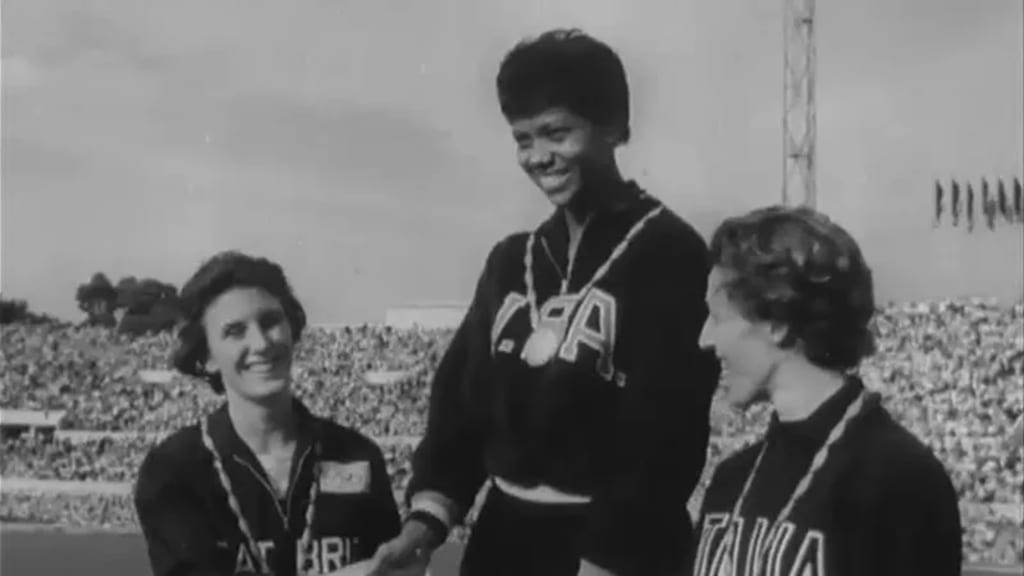
The 1960 Summer Olympics in Rome, Italy, were a groundbreaking event in many ways. Not only did they mark the first time the Games were broadcast live on television, but they also introduced numerous innovations in the world of international sports. However, despite its success, the 1960 Olympics were not without their controversies and alleged scandals. These scandals revolved around a variety of issues, from corruption and politics to questionable decisions in the sporting events themselves.
Corruption in the Olympic Organization
One of the most significant allegations surrounding the 1960 Rome Olympics involved corruption within the International Olympic Committee (IOC). At the time, the IOC was not as tightly scrutinized as it is today, and there were concerns about the allocation of resources, particularly in the selection process for host cities. Rome was chosen to host the 1960 Games, despite Italy’s financial difficulties at the time, and there were whispers about the political and financial influences behind the decision. The Italian government, Keen to showcase the country’s recovery post-World War II, was said to have used its influence to secure the bid.
Additionally, there were rumors of bribery surrounding the contracts for construction and infrastructure development. Major companies were allegedly awarded lucrative contracts for the construction of venues, such as the Stadio Olimpico and the Velodrome, without proper bidding processes. Although there was no concrete proof of widespread corruption, the lack of transparency in the selection and awarding of contracts led to suspicions that the Games were not free from political maneuvering.
Cold War Politics and Boycotts
The 1960 Rome Olympics occurred during the height of the Cold War, a period of intense rivalry between the United States and the Soviet Union. The geopolitical tensions of the time influenced many aspects of the Games, leading to some allegations of political interference.
The United States, as a key opponent of the Soviet Union, had been particularly sensitive about the success of communist countries in international sports competitions. While there was no formal boycott of the Rome Olympics, tensions were high. There were concerns about the fairness of competition, especially with the dominance of Soviet athletes in many events. The success of the Soviet Union in the medal tally raised suspicions in the West about the role of the state in training and supporting athletes. The Soviet Union’s heavy investment in sports as a tool for political propaganda was seen by many as an unfair advantage over other countries.
The allegations were not limited to the Soviets, however. The U.S. was accused of using similar tactics in the lead-up to the Games. The American media pushed the narrative that the Soviet Union had an unfair advantage, citing their state-run training programs and the highly professionalized nature of their athletes. These charges were not universally accepted, but they added an element of political intrigue and suspicion to the Games.
Controversial Judging in Boxing
One of the most talked-about scandals of the 1960 Olympics was the controversy surrounding the men’s boxing events. The competition was marred by claims of biased judging, especially in the light-heavyweight final between American boxer Wilfred Benítez and Soviet boxer Viktor Miasnikov. Many observers felt that Miasnikov received favorable treatment from the judges, despite Benítez putting on an impressive performance. The allegations of political influence on the judges were rampant, with accusations that Soviet athletes were being favored due to the tense geopolitical atmosphere.
Benítez’s loss in the final led to protests from the American delegation, but the IOC ruled in favor of Miasnikov, allowing the Soviet Union to claim another gold medal. This decision raised further questions about the integrity of the judging system and the possibility that politics were influencing the outcomes of key events.
The Doping Allegations
Though the IOC had not yet fully developed modern anti-doping measures, there were early whispers about doping at the 1960 Rome Olympics. These allegations centered mainly on the Soviet athletes, who were rumored to have used performance-enhancing drugs, although there was no concrete evidence to support these claims. At the time, the IOC did not have the testing procedures in place that would become standard in later decades, and the issue of doping was not taken as seriously as it would be in subsequent Olympics.
The Soviets’ dominance in certain events, particularly in athletics and weightlifting, led to suspicions that the country’s athletes were benefiting from an edge provided by substances that were not yet illegal under the IOC’s limited regulations. While there were no confirmed doping scandals in 1960, the murmurings about Soviet doping practices foreshadowed the doping scandals that would come to light in future Olympics.
The “Dirty Work” Behind the Scenes
Beyond the political and athletic scandals, there were also allegations of “dirty work” behind the scenes at the Games. For example, rumors persisted about the role of the Italian Mafia in the construction of the Olympic venues. Several workers’ unions had disputes with construction firms, and some suggested that the Mafia exerted influence to settle these disagreements in exchange for financial kickbacks. There were also claims that some of the Olympic accommodations were substandard, and that certain vendors or suppliers had their contracts influenced by organized crime figures.
The Italian authorities later investigated these claims, but there was never a conclusive report to confirm or deny the allegations. Nevertheless, the notion that the Mafia was involved in the Games continued to add a layer of intrigue to the 1960 Olympics.
In The End
The 1960 Rome Olympics, while largely celebrated for their successes and innovations, were not without controversy. Alleged scandals surrounding corruption, Cold War politics, biased judging, doping, and Mafia influence cast a shadow over what was otherwise a momentous occasion. These events laid the groundwork for future scrutiny of the Olympic Games, as the IOC and participating nations began to grapple with the increasing politicization of the event and the importance of fair competition and transparency. Despite these issues, the 1960 Rome Olympics remain a historic and transformative Games, one that introduced television to the masses and set a new standard for global sporting events.
About the Creator
Badhan Sen
Myself Badhan, I am a professional writer.I like to share some stories with my friends.
Keep reading
More stories from Badhan Sen and writers in Gamers and other communities.
THE CHANGING RULES AROUND DRUG TESTING AND BANS IN THE OLYMPICS
The Olympics, the world's most prestigious athletic competition, has long been plagued by controversies surrounding drug use among athletes. In an effort to maintain fairness and the integrity of the games, the International Olympic Committee (IOC) and various sports organizations have continuously evolved their rules on drug testing and bans. These changes reflect a broader societal shift toward better science, tougher penalties, and a desire to uphold the Olympic values of excellence, respect, and fair play. This article explores the changing landscape of drug testing and bans in the Olympics, examining the progression of regulations, the challenges faced by authorities, and the implications for future competitions.
By Badhan Senabout a year ago in Gamers
The Honed Ashlar, Part 1 of 5
Part 1: The Scaffolding of Ruin The bus ride into the city had felt like being swallowed by a cold, metallic throat. Silas leaned his forehead against the vibrating window of the Greyhound, watching the California coastline transform from a dream of salt and gold into a nightmare of concrete ribs. To everyone else on the bus, the skyline of Tinseltown was a promise—a soaring monument to ambition. To Silas, it was a Structural Failure.
By Nathan McAllister4 days ago in Gamers


Comments (1)
Awesome