
10 Unique Character Concepts for D&D That Break the Mold
Discover original, thought-provoking Dungeons & Dragons character ideas that redefine traditional fantasy archetypes

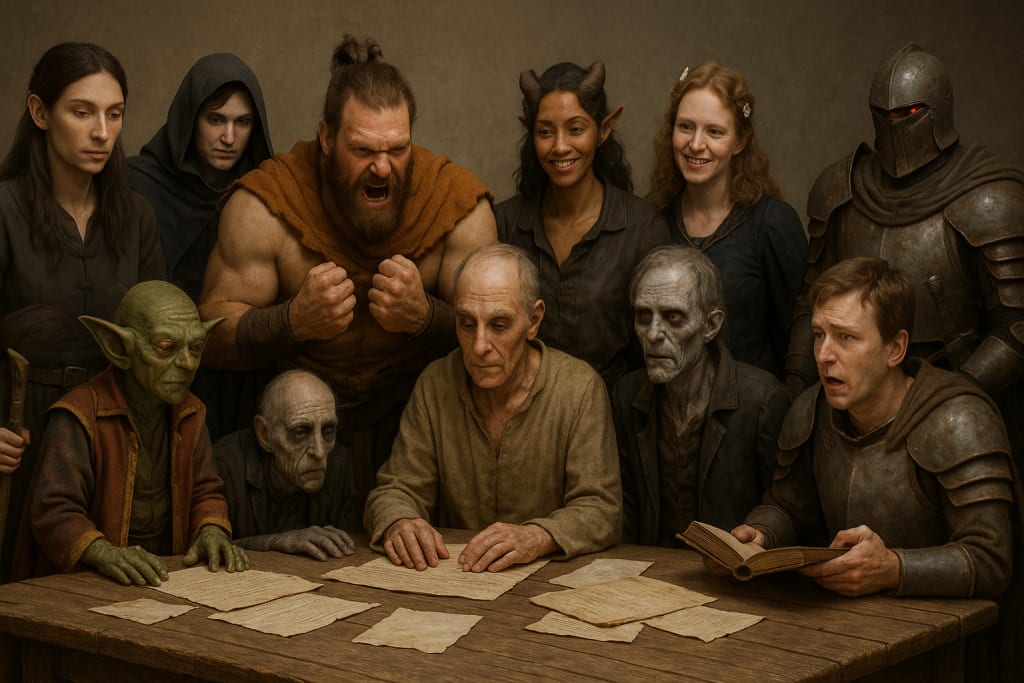
Creating a compelling character for your next Dungeons & Dragons campaign doesn’t have to mean picking a tired trope or sticking to the same race/class combo you’ve played before.
There’s nothing wrong with a noble paladin or a mysterious elven ranger, but if you're craving something different, something that challenges the game’s assumptions and surprises your table, then you're in the right place.
These 10 character concepts go beyond the expected. Each one is designed to break the mold, spark creativity, and help you roleplay a truly unforgettable hero, or antihero.
1. The Pacifist Barbarian
He rages, but not in violence. Instead, his fury fuels strength to protect, shield, and endure.
Most players see barbarians as mindless brutes who revel in bloodshed. Flip that narrative. Play a barbarian whose rage is rooted in trauma, not bloodlust.
When he rages, he doesn't strike harder, he absorbs blows to protect others. Perhaps he's a former soldier haunted by war, now refusing to take another life. He still charges into battle, but only to grapple enemies, pull allies to safety, or break weapons instead of bodies.
Mechanically, use the Ancestral Guardian or Bear Totem paths for defensive builds. Roleplay-wise, lean into the moral dilemma of fighting without killing. Can rage be righteous without violence?
2. The Amnesiac Familiar
Not a wizard’s pet, once was the familiar.
You awaken one day with a hazy memory, strange magical instincts, and an overwhelming sense that you were something else. Because you were: a familiar—a spirit bound to a wizard who vanished under mysterious circumstances. Now reincarnated in mortal form, you’re trying to understand what it means to be human (or elf, or goblin, or whatever form you’ve taken).
This concept works beautifully with Warlocks, flavored as regaining arcane power from your past bond. Pact of the Chain becomes deeply ironic. You can also use Sorcerer to represent innate magical echoes of your former existence.
Add layers of mystery to your backstory. Was your master benevolent? Did they die, or abandon you? Your quest to discover the truth gives the DM endless hooks.
3. The Cursed Healer
A divine gift with a terrifying price.
This cleric or paladin was blessed with miraculous healing powers… but every time they use them, a piece of their soul withers. Perhaps they age slightly. Maybe they suffer physical pain. Or worse, their healing transfers the wounds into their own body.
This concept explores themes of sacrifice and martyrdom. You're not just healing wounds, you’re taking them on.
Mechanically, you're still a functional healer. But roleplaying this cost adds moral weight. Will you save a stranger if it brings you closer to death? Will your party understand the toll, or demand more?
You can reflavor Life Domain, Grave Domain, or even Oath of Redemption to reflect this burden. Speak with your DM about minor homebrew mechanics to emphasize the cost.
4. The Undead Who Wants to Live
He’s already dead. He just hasn’t accepted it.
Imagine playing a character who’s undead, but doesn’t realize it. Maybe they died years ago and were brought back through a ritual gone wrong. They don’t eat. They don’t sleep. Their heart doesn’t beat. But they refuse to believe the truth.
This works great with Revenant, Dhampir, or Reborn racial options from Van Richten's Guide to Ravenloft. Any class can work, though spellcasters may offer juicy narrative potential.
The key here is denial. How far will your character go to feel alive again? Can they ever find peace?
This concept is gothic, emotional, and tragic, but it doesn’t have to be grim. There's humor in a character who tries to drink ale but it pours out through a ribcage crack. There’s pathos in trying to hold onto a humanity that’s slipping away.
5. The Illiterate Wizard
He casts fireballs but can’t read a menu.
Wizards are supposed to be scholarly geniuses. So what happens when your wizard is illiterate? Maybe he memorizes spells by sound, or visualizes arcane patterns through colors and smells. He has incredible magical intuition, but zero book smarts.
You’ll need to work with your DM to flavor how this wizard learns and prepares spells. Perhaps another party member acts as a translator. Or maybe he “hears” spells whispered by an unseen force.
This concept challenges assumptions about intelligence. It’s great for players who enjoy playing outsiders or eccentrics. And it opens the door for hilarious and poignant moments. What happens when the party finds an ancient scroll… and your wizard can’t read it?
6. The Goblin Royalty
He’s a king, but nobody believes him.
A goblin in tattered robes insists he's the rightful heir to a forgotten kingdom. Whether it’s true or delusional is up to you, or your DM. Maybe he has a signet ring he barely understands. Maybe he's being hunted by assassins who fear he’ll reclaim the throne.
This concept pairs well with Bard, Sorcerer, or Rogue. Charisma-driven classes let you play up the regal flair, whether you’re noble-born or just a damn good actor.
You’ll walk the line between comic relief and genuine drama. Do you embrace the throne? Or abandon it for freedom? Either way, this is a goblin like no one’s met before.
7. The Monster Who Hunts Monsters
He’s what they fear, and what they deserve.
Play a character born of monstrosity, a tiefling, changeling, shifter, or even homebrew creature, who devotes their life to hunting monsters. Maybe they grew up in a monster's lair. Maybe they were spared by one… and wish they hadn’t been.
This character is fueled by trauma and revenge, but also a deep conflict. They are what they hunt. It creates powerful roleplaying moments, especially when facing creatures that mirror your own nature.
The Ranger, Blood Hunter, or Paladin (Oath of Vengeance) work perfectly here. Your party might see you as a necessary evil. Or maybe you're the one with the strongest moral compass—because you know exactly what’s at stake.
8. The Joyful Necromancer
She raises the dead… with a song in her heart.
Most necromancers are grim, brooding figures. But not this one. She’s cheerful, kind, and sees skeletons as misunderstood friends. Her undead minions wear flower crowns. Her zombie butler serves tea.
This concept turns dark magic on its head. It's especially fun with a Necromancy Wizard who uses their powers for community service, clearing ruins, helping farmers, or protecting towns.
The tension comes from others' fear. No one trusts a smiling necromancer, no matter how many orphans she feeds. Will the world let her be good? Or will it turn her into the villain it already assumes she is?
9. The Possessed Hero
There are two minds in one body, and they hate each other.
Whether it’s a demon, spirit, or psychic parasite, your character shares their body with another being. Sometimes it helps. Sometimes it fights you. Sometimes it takes over.
This opens incredible roleplaying potential. You might have arguments out loud with yourself. Or struggle during key decisions as the entity whispers temptations. It can even manifest as mechanical advantages and disadvantages.
Warlocks, Sorcerers, or Blood Hunters make great hosts. A pact-based class fits this theme well, especially if the entity grants magic in exchange for control.
Work with your DM on how it manifests. It could be an ancient god, a cursed ancestor, or something far stranger. Either way, you're never truly alone.
10. The Cowardly Champion
He’s a hero by accident, and he's terrified.
Not everyone seeks glory. Some stumble into it, screaming all the way. This character runs from danger, hides behind allies, and begs for mercy… yet somehow, fate keeps putting them in the spotlight. And worse, they keep winning.
This comic-tragic concept shines with Bards, Rogues, or even Fighters. Play it straight or play it absurd. The joy is in the contrast. A character who slays a dragon by accident, then faints from the stress. Or one who delivers inspiring speeches while quietly wetting themselves.
But there’s depth, too. Over time, cowardice might evolve into courage. Or not. Either way, it’s a unique take on heroism.
What makes a character unforgettable isn’t their stats, it’s their story. When you step outside the mold, you open the door to deeper roleplay, richer narratives, and unexpected moments at the table.
Whether you're a new player looking to try something bold or a veteran bored of the same old archetypes, these character concepts will spark new life into your game.
So break the mold. Surprise your party. And create a D&D character that no one will ever forget.
About the Creator
Richard Bailey
I am currently working on expanding my writing topics and exploring different areas and topics of writing. I have a personal history with a very severe form of treatment-resistant major depressive disorder.
Keep reading
More stories from Richard Bailey and writers in Gamers and other communities.
Bomb Scare
It was 2027, and the world never thought it would happen. A missle hit the United States, but it wasn't where they had anticipated. A little town in the northeast was hit by a missile strike, they didn't know why, and they didn't know exactly where it hit, but they did know it was a coastal community, somewhere between Maine and Delaware.
By Gregory Payton5 days ago in Fiction


Comments
There are no comments for this story
Be the first to respond and start the conversation.