
Your Eye Color
10 Ways You Can Really Change Your Eye Color

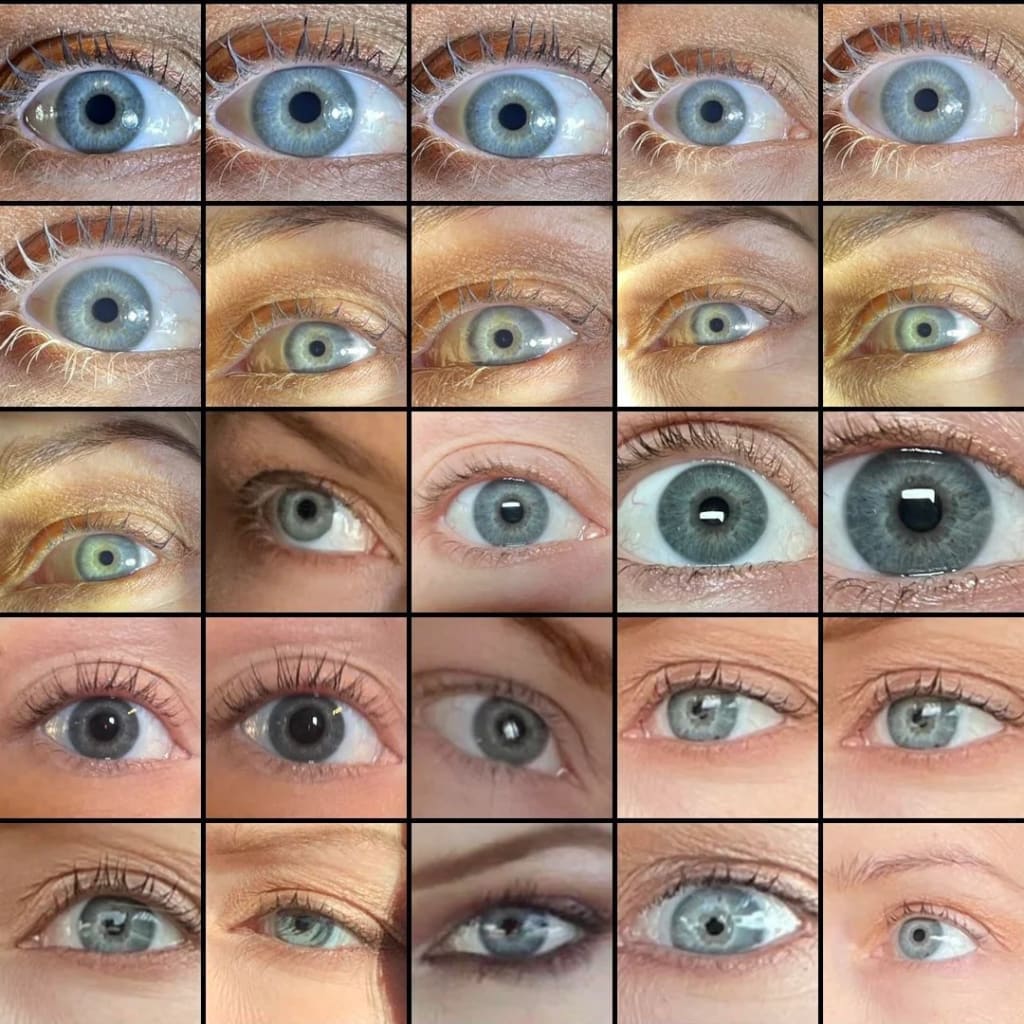
Eye color is one of the most distinct features that define how we look, but did you know it's not as permanent as most people think? From genetic quirks to medical conditions, your eye color can change more often than you'd expect. If you’re curious about what can alter the shade of your eyes, here are 10 surprising ways your eye color can really change.
1. Infant Eye Development
Most babies are born with lighter-colored eyes than they’ll have as adults. This is because their melanocytes (cells responsible for producing melanin, the pigment that gives eyes their color) haven’t fully developed. As a baby grows, these cells multiply, and the eye color darkens. This change usually settles by age six, but some studies suggest that eye color can continue to darken into adulthood. So, if you thought you were stuck with your baby blues, think again.
2. Aging into the Golden Years
As we age, our eyes can get lighter. A condition known as arcus senilis can create a bluish or grayish ring around the iris due to lipid deposits. While this eye color shift often accompanies older age, it can also be a sign of underlying health conditions like high cholesterol. Aging can also lead to a loss of melanin, further lightening the iris over time. For some, it might feel like nature’s way of adding a halo around your eyes in your later years.
3. Horner’s Syndrome
This rare condition occurs when certain nerves in the head and neck are damaged. One of the more subtle symptoms? A lightening of the affected eye's color. In babies, this change is more noticeable, but adults might only recognize it after comparing photos from decades ago. It's a slow but real alteration of the eye's hue that stems from neurological changes in the body.
4. Fuchs Heterochromic Iridocyclitis
A mouthful of a condition, this eye disorder causes inflammation in the front of the eye, including the iris, and can lead to a gradual lightening of eye color. Though the exact cause is not well understood, Fuchs patients often exhibit fewer melanocytes, meaning less melanin and a lighter iris. This condition also comes with other symptoms like blurred vision and sensitivity to light.
5. Pigment Dispersion Syndrome
This syndrome causes a slow loss of pigment in the eye, leading to a lightening of eye color. What makes this condition intriguing is that researchers suggest it happens because the iris is too large for the eye. The backward bowing of the iris causes threads holding the lens in place to rub against the iris, literally scraping the pigment away. While this can also cause complications like glaucoma, it’s an unusual but genuine way your eye color can change over time.
6. Medications for Glaucoma
Certain medications, especially prostaglandins used to treat glaucoma, can actually darken your eyes. A study found that between 5 to 23% of patients who used latanoprost, a common glaucoma treatment, experienced a noticeable darkening of their iris after just 12 months. So, while these medications can help reduce eye pressure, they might also give you a new eye shade as a side effect.
7. Kayser-Fleischer Rings
People with Wilson’s disease, a genetic disorder that leads to copper buildup in the body, often develop brown or gray rings around their iris known as Kayser-Fleischer rings. This change is caused by excess copper deposits in the cornea, creating a dramatic eye color shift. If left untreated, these rings can stick around, but addressing the underlying condition can make them disappear.
8. Vitiligo
This autoimmune disorder is more commonly associated with skin, but it can also affect the eyes. Vitiligo occurs when the body’s immune system attacks melanocytes, causing loss of pigment in both the skin and eyes. For the iris, this results in patchy or uneven eye color, with blue or lighter spots showing up over time. While it’s more apparent in the skin, this condition can create an unexpected eye color shift as well.
9. Trauma and Pupil Dilation
Eye trauma, including head injuries, can lead to permanent dilation of the pupil, which in turn alters how much of the iris is visible. Since the pupil controls how much light enters the eye, a permanently dilated pupil reduces the amount of visible iris, which can make the eye appear darker or even a different color. This is the same condition that caused David Bowie’s famous mismatched eyes.
10. Iris Implants
For those born with congenital aniridia, a condition where the iris is missing or incomplete, there’s a procedure that can change your eye color — iris implants. Though still relatively new and not widely approved in the U.S., iris implants are available in some countries and offer patients the chance to select a new eye color. While primarily used to correct light sensitivity and vision issues, patients can opt for different eye colors during the procedure, essentially customizing their eyes for the first time.
Closing
Eye color may seem like a permanent feature, but as we’ve seen, there are multiple ways it can change over time, whether due to genetics, medical conditions, or even trauma. While some changes are subtle, others can be quite dramatic. So, next time you look in the mirror, remember that the color staring back at you might not always stay the same!
About the Creator
Horace Wasland
Research analyst, writer & mystical healer. Exploring the edge where science meets mystery. From mystery/the mystical, to facts, news & psychology. Follow for weekly insights on all four and please leave a tip if you like what you read :)
Keep reading
More stories from Horace Wasland and writers in FYI and other communities.
A Pyramids Mystery
The Great Pyramids of Egypt are among the most enduring and iconic wonders of the ancient world, stirring imaginations and inspiring countless theories. From wild speculation about extraterrestrial involvement to myths about cursed tombs, the pyramids have no shortage of sensational narratives. However, separating fact from fiction can be difficult, especially when these ancient structures are shrouded in mystery. Here, we’ll unravel some of the most common myths surrounding the pyramids and lay out the facts you should know about these enigmatic monuments.
By Horace Waslandabout a year ago in FYI
A Failed Artist, A Disillusioned Poet, An Underpaid Game Show Host
I took my son and niece to Gori, a small town in Georgia where Joseph Stalin was born. They talked me into visiting the Stalin's Museum, the largest in the post-Soviet space. I had resisted going there because I just can't stand the monster and know enough about him, or so I thought.
By Lana V Lynx8 days ago in FYI



Comments
There are no comments for this story
Be the first to respond and start the conversation.