
Why Planting Native Trees Is So Important in Reforestation
🌱 Restoring Nature the Right Way: How Native Trees Bring Forests Back to Life 🌳
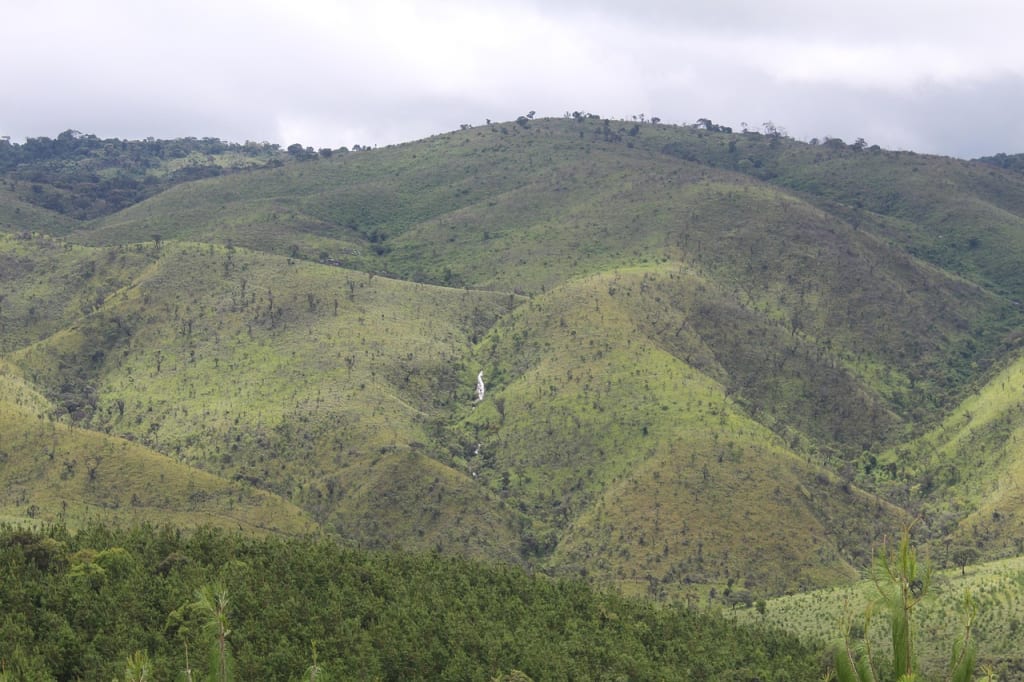
Why Planting Native Trees Is So Important in Reforestation
Have you ever imagined taking a dry, worn-out piece of land and seeing it transform into a vibrant little paradise? With trees, flowers, birds, butterflies... Sounds like a movie scene, right? But it can really happen. And you know the secret? Choosing the right trees to plant. Spoiler alert: native species are the stars of this story.
When we talk about reforestation, many people think, “Oh, just plant a few seedlings and done!” But it’s not that simple. Nature has its own tricks. The plants that are from the region — those so-called native species — are like people who know every corner of their neighborhood. They know where the shade is, where the wind hits hardest, where it’s more humid… They adapt better because they’re already used to everything.
What Makes Native Species So Special?
Well, for starters, they’ve been growing in that land for centuries. They’re like long-time residents who are completely familiar with the place. They don’t need much fuss to adapt. Want proof?
🌿 They know how to handle the local climate
If there’s little rain, they manage. If it’s too hot, they’re unfazed. They’re not like exotic plants that “cry” for water all the time. It’s like having someone from the desert tending a desert garden — they know exactly what to do.
🦜 They become shelter and food for local wildlife
Have you ever noticed how some places are full of birds, butterflies, even little monkeys? It’s often because native trees are around. They flower at the right time, bear fruit in the right season, and make perfect homes. It’s like building a sweet home for the local fauna.
A study from the University of São Paulo (USP) showed that areas with native species can have up to three times more wildlife than places where only “foreign” trees were planted. Cool, right?
Benefits You Can Actually See
💧 They help the soil and water
Native tree roots are true warriors. They hold the soil during heavy rains, prevent erosion (you know when the earth washes downhill?), and help rainwater infiltrate the ground to recharge aquifers. Like a natural sponge. In some places, they help retain up to 2 million liters of water per hectare per year. That’s huge!
🐛 They’re more resistant to pests
Just like people who’ve learned to handle life’s challenges, native trees know how to deal with local bugs and have made allies with the good soil critters that protect them. Result: less need for pesticides. Very different from imported species that not only require more care, but sometimes become invasive and mess up the ecosystem. Ever heard about pine trees becoming a problem in many regions of Brazil? Yeah…
🌍 They really help with the climate
Native forests are excellent at capturing CO₂ — that gas responsible for global warming. And because they grow better here, they do it more efficiently. A well-maintained native forest can capture twice as much carbon as a plantation filled with foreign species. Plus, they help stabilize the local climate. Anyone living near a forest knows: the heat is milder, the air is fresher, and even rainfall is more balanced.
So, How Do You Do Reforestation Right?
Planting trees is beautiful. But it’s not just about grabbing a hoe and planting seedlings everywhere. You have to plan it out — otherwise, all that effort goes down the drain.
🌱 Choosing the right species
First step: find out which trees used to grow there. You can explore nearby forests and observe. Sometimes, nature gives clues. Then, combine fast-growing species with slower ones to create balance. One provides shade, another improves the soil, another attracts animals... It’s real teamwork.
🌧️ Planting the right way
There’s no big secret, but there is care. Ideally, prep the land patiently, plant during the rainy season, leave space between seedlings (they’re going to grow!), and monitor them in the first few years. Some people also scatter seeds in large areas and let nature do the rest. This mixed approach often works really well.
Can You Make Money From This?
A lot of people think reforestation is just an expense. But actually, many communities are thriving because of it. You can harvest fruits, seeds, make oils, even enter the natural cosmetics or food markets. You can also combine it with farming in the so-called agroforestry system, which smartly mixes crops and forest. And tourism? Tons of people travel to see preserved forests, hike, and breathe clean air.
I met a community that started reforesting just to recover the land in their area. Today, they sell forest products, run workshops, and attract visitors — all without cutting down a single tree.
To Wrap It Up
Planting native trees is more than a technical decision. It’s a beautiful way to repair what’s been lost, to make peace with nature. When we choose the trees that were born here, we’re helping to rebuild a story that took centuries to grow.
Reforesting with native species is planting the future.
It’s giving life a chance to come back stronger than ever.
And since you made it this far… how about thinking of a native tree from your region that you could help bring back home? 🌳💚
About the Creator
Keep reading
More stories from adilson oliveira and writers in FYI and other communities.
How to Make Money Reselling Products on Marketplaces
How to Make Money Reselling Products on Marketplaces Can You Really Make Money Reselling Products Online? Absolutely! And the best part? You don’t even need a physical store or your own website. Nowadays, anyone can sell products online through marketplaces, which are basically giant virtual shopping malls like eBay, Amazon, Walmart, and Etsy.
By adilson oliveira10 months ago in Journal
A Failed Artist, A Disillusioned Poet, An Underpaid Game Show Host
I took my son and niece to Gori, a small town in Georgia where Joseph Stalin was born. They talked me into visiting the Stalin's Museum, the largest in the post-Soviet space. I had resisted going there because I just can't stand the monster and know enough about him, or so I thought.
By Lana V Lynx24 days ago in FYI
The Perils Of A Vocal Creator
Introduction Still relevant, maybe even more so This might sound like a moan, and in some ways it is, but on top of this, I still maintain that Vocal is an excellent if flawed platform, and is my own preferred platform of choice.
By Mike Singleton 💜 Mikeydred 3 days ago in FYI



Comments (1)
Inspiring.Keep up the good work.