
Why Do Flies Rub Their Limbs? Unveiling the Secret of These Pervasive Insects
Rubbing their limbs is also part of their behaviour
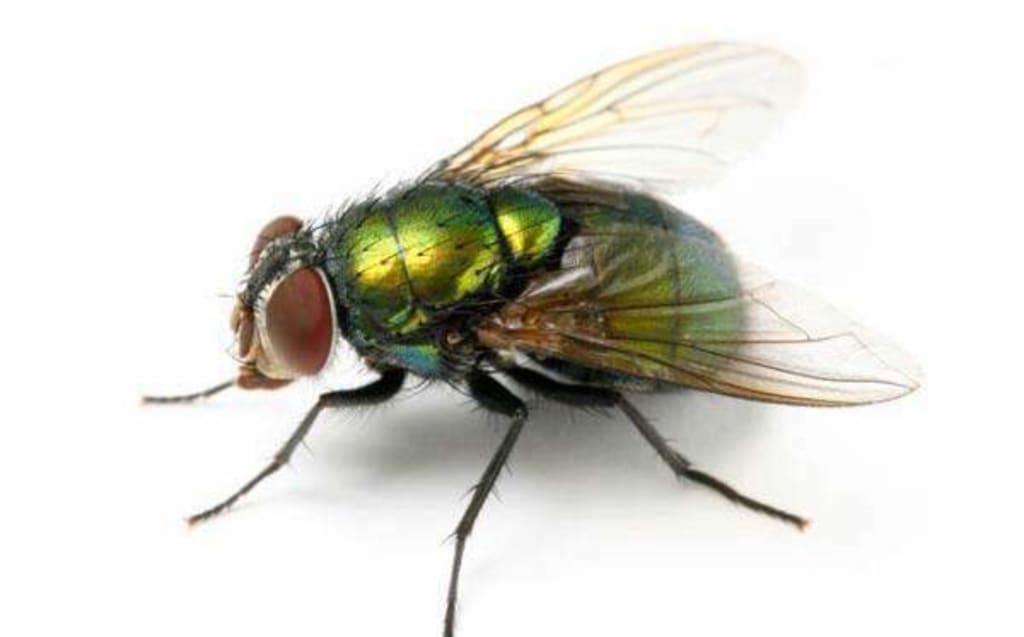
Flies – those ubiquitous, pesky insects that seem to appear out of thin air whenever there’s food around. Whether you’re enjoying a picnic in the park or trying to concentrate on work at home, chances are you’ve encountered these winged creatures. But have you ever wondered why flies engage in that peculiar behavior of rubbing their limbs together? Let’s delve into the fascinating world of flies and uncover the mystery behind this seemingly mundane action.
The Global Nomads
Flies are true globetrotters. Originating in Asia, they’ve managed to spread their wings (pun intended) and establish a presence almost everywhere humans do. From bustling cities to remote villages, flies have hitchhiked their way across continents. The only places they avoid are Antarctica (for obvious reasons) and a few isolated islands where humans haven’t set foot.
The Fly’s Limb-Rubbing Ritual
Now, let’s get to the heart of the matter: why do flies rub their limbs? It turns out that this seemingly innocuous behavior serves a critical purpose. Flies are covered in tiny hairs all over their bodies – think of them as their built-in sensors. These hairs play several essential roles in a fly’s life:
1. Navigation and Flight Control: Flies rely on their limb hairs to detect changes in air currents. By rubbing their limbs together, they gather information about wind direction and speed. This helps them navigate through complex environments, whether they’re buzzing around your kitchen or exploring a garbage dump.
2. Finding Food: Flies are opportunistic feeders. When they land on your sandwich or that overripe fruit, their limb hairs come into play. By rubbing their legs, they assess the surface texture and chemical cues. If it feels like potential food, they’ll stick around. If not, they’ll move on to the next spot.
3. Hygiene Matters: Flies are no strangers to filth. They frequent garbage heaps, animal droppings, and other unsavory places. To maintain hygiene, they meticulously clean their limbs. The rubbing action dislodges dirt, debris, and any potential pathogens clinging to their hairy legs.
The Dance of Cleanliness
Next time you see a fly rubbing its limbs, appreciate the intricate dance it’s performing. It’s not just a random twitch; it’s a survival strategy. Flies have mastered the art of using their limb hairs to their advantage – whether it’s for flight, food detection, or cleanliness.
Flies, with their sensitive limbs, take every opportunity to rub them. These limbs serve multiple purposes. Interestingly, the limbs have taste receptors, allowing flies to taste with their feet. When they land on a potential meal, they wander around, giving it a thorough taste before consuming it.
Flies, unable to chew, subsist on an all-liquid diet. When they encounter solid food, they have a unique process to make it edible. A fly regurgitates digestive juices onto its soon-to-be meal, breaking it down into tiny pieces that can be ingested. Additionally, flies expel these juices to create space in their stomachs for new food. However, it’s essential to recognize that flies often land on various surfaces, not just flowers. They frequent unsavory places like rotting food and dumpsters, collecting germs and microbes on their limbs. So, while they may seem harmless, their presence on our food isn’t ideal.
When a fly lands on your food, it unwittingly transfers germs to your meal. Some of these microbes can even cause diseases like cholera and typhoid. It’s essential to be mindful of hygiene and take precautions to avoid contamination.
So, the next time you swat away a fly, remember that beneath those tiny, irksome limbs lies a world of sensory wonders. And perhaps, just perhaps, you’ll view these buzzing companions with newfound respect for their resourcefulness.
In summary, flies rub their limbs to navigate, find food, and maintain hygiene. These seemingly insignificant actions reveal the remarkable adaptations of these tiny insects.
About the Creator
Keep reading
More stories from writers in FYI and other communities.
A Failed Artist, A Disillusioned Poet, An Underpaid Game Show Host
I took my son and niece to Gori, a small town in Georgia where Joseph Stalin was born. They talked me into visiting the Stalin's Museum, the largest in the post-Soviet space. I had resisted going there because I just can't stand the monster and know enough about him, or so I thought.
By Lana V Lynx28 days ago in FYI
Trouble at the Tea Leafing Café
The rain had started right around the time that Annie was buttering her second thick slice of homemade toast for breakfast, and hadn’t paused since. Not that anyone could tell. The windows of the café were fogged over, and with every seat filled with happy customers munching on fresh baked pastries or steaming bowls of the delicious soup of the day, it was hardly surprising. Annie looked around the room, finally taking a moment to breathe after the lunch time rush. Her old life already felt like a bad memory, a part of her history, always, but just that. History.
By Hannah Moore3 days ago in Fiction


Comments
There are no comments for this story
Be the first to respond and start the conversation.