
What Your Pilot Isn’t Telling You: The Truth About Flying at 30,000 Feet
Before You Board Your Next Flight Today, Read This… It Might Change How You Feel About Turbulence

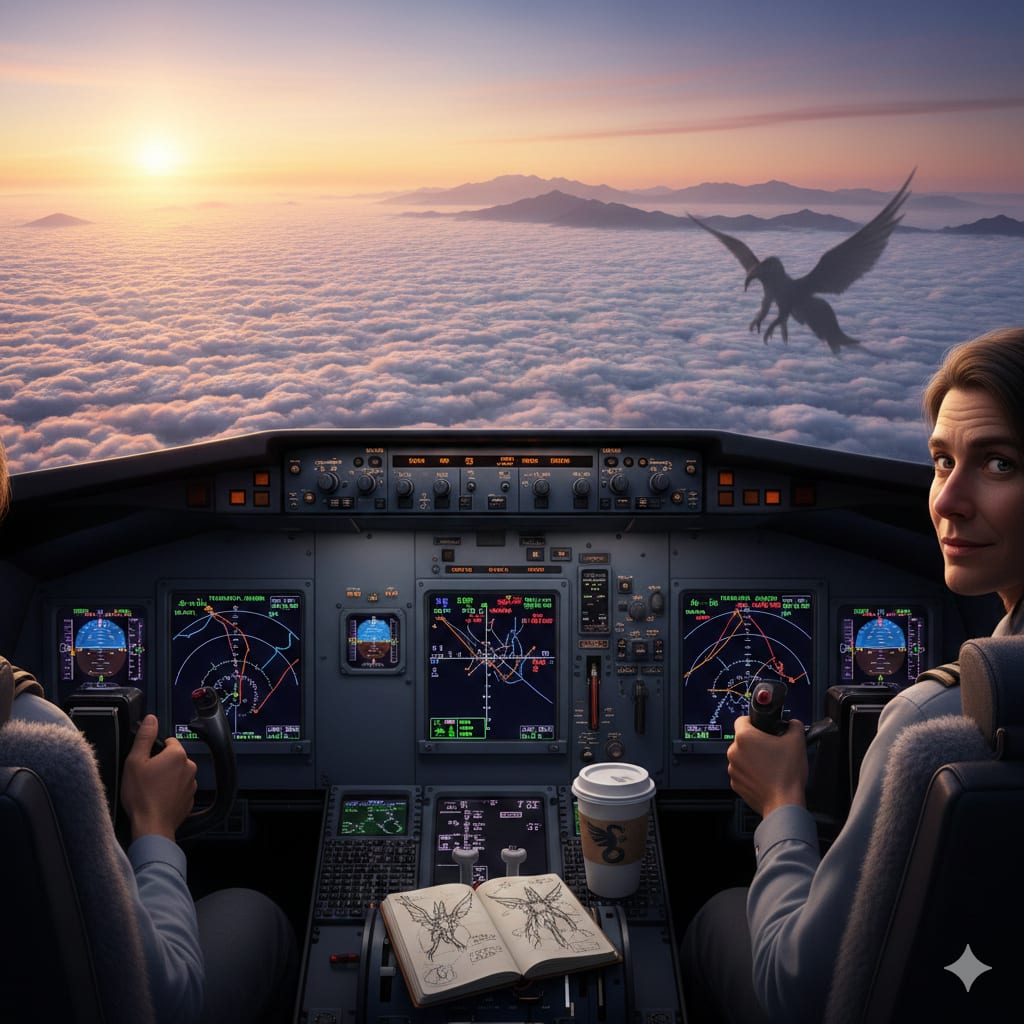
Flying feels normal now. Routine. Almost boring.
But if you really stop and think about it… You’re sitting inside a metal tube, cruising at 500+ miles per hour, nearly 30,000 feet above the ground.
And somehow, we’ve convinced ourselves that this is totally fine.
Today, let’s break down a few things about air travel that most passengers don’t think about and that pilots or airlines don’t exactly spell out for you either.
Don’t worry, we’ll also keep it real about what’s actually dangerous and what’s just scary in your head.
1. Turbulence Isn’t the Real Surprise Updrafts Are
Most people are afraid of turbulence. The shaking. The sudden drops. The armrest is gripping.
Here’s the truth:
Turbulence almost never causes a plane to crash. It’s uncomfortable, sometimes very uncomfortable, but aircraft are built to handle it.
However…
There’s something more unpredictable called an updraft.
Think of it like hitting a massive invisible speed bump in the sky. The plane can suddenly jolt upward or downward without much warning. Unlike regular turbulence, which radar can often detect, updrafts can surprise everyone, including the pilots.
That’s why keeping your seatbelt on at all times isn’t just a suggestion. Even when the sign is off.
Because when the plane jolts unexpectedly, people who aren’t buckled in can literally get thrown into the air.
2. Your Plane Has Probably Been Struck by Lightning
Yes. Really.
Commercial aircraft are struck by lightning more often than most people realize.
But here’s the part they don’t announce mid-flight:
Planes are designed to withstand lightning strikes.
The electrical charge typically travels along the aircraft’s outer shell and exits without damaging critical systems. It’s not something pilots usually broadcast over the intercom because, frankly, it would cause panic for no reason.
When’s the last time you heard about a commercial jet crashing because of lightning?
Exactly.
Still scary? Absolutely.
Actually dangerous? Very rarely.
3. Yes, Pilots Can Be Tired
This one makes people uneasy.
Airline pilots operate under strict scheduling rules, but like many professionals, they can still experience fatigue. Long-haul flights, time zone changes, and early departures all take a toll.
However, modern aircraft rely heavily on autopilot systems, especially during cruising altitude. That doesn’t mean pilots aren’t working, but it does mean they aren’t manually steering the entire time.
Still, it’s fair to say this:
When you’re flying thousands of feet above Earth, you definitely want the person in charge to be well-rested.
4. Fuel Calculations Aren’t “Fill It Up and Go.”
Here’s something most passengers never consider:
Airlines calculate fuel very precisely.
Carrying extra fuel means carrying extra weight, and extra weight means higher fuel consumption. So airlines aim for efficiency.
That doesn’t mean pilots are flying on fumes. Regulations require:
- Fuel for the trip
- Reserve fuel
- Alternate airport fuel
- Emergency contingencies
But yes, there can be pressure in the industry to optimize fuel loads.
The good news? Commercial aviation is one of the most regulated industries in the world. There are mandatory minimums that cannot be ignored.
5. “Water Landing” Is a Nice Way of Saying Something Else
You’ve heard it in the safety briefing:
- “In the unlikely event of a water landing…”
It sounds gentle. Controlled. Almost peaceful.
In reality, commercial jets are not designed like seaplanes. A water landing in a large jet is extremely rare and extremely difficult.
The famous Hudson River landing was considered a miracle for a reason.
So yes, the phrase is softer than the reality. But again, the odds of you ever experiencing this are incredibly small.
6. “Maintenance Issue” Can Mean Almost Anything
Ever been delayed because of a “maintenance issue”?
- That phrase covers everything from:
- A broken seat mechanism
- A cargo door sensor
- A minor cockpit instrument warning
…to more serious mechanical inspections.
If it’s serious, you actually want them to find it on the ground instead of mid-air.
Airlines often use calm language to prevent panic. That doesn’t automatically mean they’re hiding a disaster; it just means they’re managing 150+ anxious passengers.
7. “Some Fog in the Area” Might Mean Zero Visibility
Pilots don’t typically say:
- “We can’t see anything.”
Instead, they’ll mention limited visibility or fog.
But here’s the key difference: modern aircraft use instrument landing systems (ILS) and advanced navigation tech that allow them to land safely even in near-zero visibility conditions.
They aren’t guessing. They’re relying on highly calibrated systems.
8. Is There a “Safest Seat” on a Plane?
This debate never dies.
Some say the back is safer. Others say near the wings. Some swear by exit rows.
The uncomfortable truth?
In a catastrophic crash, survivability depends on dozens of unpredictable variables, including impact angle, speed, terrain, fire, and more.
There’s no guaranteed “safe seat.”
But here’s something reassuring:
The odds of dying in a commercial plane crash are estimated to be about 1 in 11 million.
You are statistically far more likely to get into a car accident on your way to the airport.
So… Should You Be Afraid to Fly?
Let’s zoom out.
Yes, flying sounds terrifying when you describe it dramatically:
- Metal tube
- 30,000 feet in the air
- Lightning strikes
- Turbulence
- Engine issues
But here’s the reality:
Commercial aviation is one of the safest forms of transportation on Earth.
Pilots train for emergencies repeatedly.
Aircraft undergo constant inspections.
Systems have backups and backups for backups.
That nervous feeling when the wheels finally touch the runway? Totally normal.
But the data is clear: flying remains incredibly safe.
Final Thoughts Before Your Next Flight
If you’re boarding a plane today or sometime soon:
- Keep your seatbelt on when seated.
- Don’t panic at every bump.
- Understand that calm wording doesn’t always mean hidden danger.
- And remember, millions of flights land safely every year.
It’s okay to feel uneasy sometimes. You’re human.
But statistically speaking?
You’re much safer in that metal tube in the sky than you probably think.
.
.
.
.
.
.
.
.
.
.
Is flying safe in 2026? Plane turbulence explained, What pilots don’t tell passengers, Are lightning strikes dangerous for airplanes, Safest seat on a plane, Airplane safety facts, Water landing vs plane crash, Airline pilot fatigue
About the Creator
Areeba Umair
Writing stories that blend fiction and history, exploring the past with a touch of imagination.
Keep reading
More stories from Areeba Umair and writers in FYI and other communities.
Top 10 Most Beautiful Women in History Who Changed the World
There’s something undeniably captivating about powerful women throughout history. But true beauty isn’t just about appearance. It’s about intelligence, influence, courage, mystery, and the ability to leave a mark on the world.
By Areeba Umair3 days ago in FYI
Why I Chose Indianapolis for Mobile App Development?
The rain was hammering against the glass of a co-working space in Seattle’s Pioneer Square—standard operating procedure for a Tuesday in November. I was sitting across from a founder who looked like he hadn’t slept in a week. He had just burned through $150,000 of his seed round on a beta launch that stalled.
By Nick William6 days ago in FYI
What Happens To Your Brain When You Stop Multitasking
Digital technology is the culprit that is causing us to doom scroll when tired, disengaged and unmotivated with the content that motivated you to log onto your device to consume in the first place. That is only the beginning. In the modern workplace (and even when filing cabinets were around, I confirmed this with my adopted parents to get my facts right); reading files while you are supposed to be present to the caller on the other end of the phone line is another classic example of multitasking that causes your brain (although adaptable and intelligent) to lose focus and concentration.
By Justine Crowley3 days ago in Psyche


Comments
There are no comments for this story
Be the first to respond and start the conversation.