
What You Need for Your First Brazilian Jiu Jitsu Training
Gear Up Right, Roll with Confidence

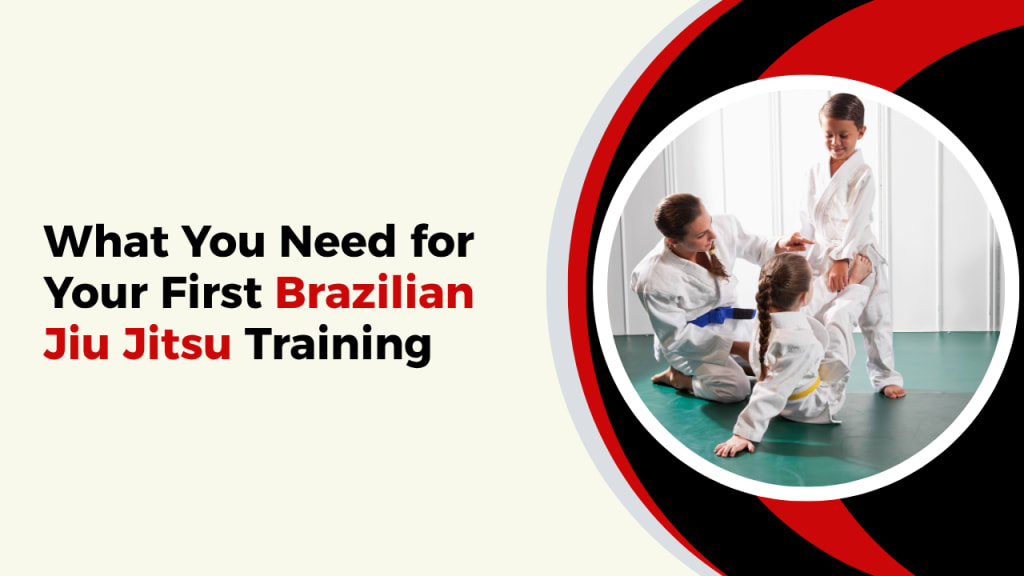
I remember my first day stepping onto a Brazilian Jiu Jitsu mat like it was yesterday. I was nervous- really nervous. I showed up with a borrowed gi, zero clue how to tie my belt, and a stomach full of butterflies. Everyone else seemed to move with confidence and ease while I stood there wondering if I’d made a huge mistake.
But here’s the thing- everyone starts somewhere. And no matter how prepared (or unprepared) you feel, that first class is the beginning of something much bigger than just learning how to grapple. It's a journey into discipline, humility, and unexpected joy.
So, if you’re gearing up for your first Brazilian Jiu Jitsu class, here’s a guide that’ll walk you through exactly what you’ll n- physically, mentally, and emotionally- to step on the mat and get the most out of the experience.
The Gear You’ll Actually Need (and What You Can Skip for Now)
Let’s start with the basics.
1. Gi (Uniform)
For traditional Brazilian Jiu Jitsu, you’ll need a gi- a thick, durable uniform made of cotton or a cotton blend. Most academies have specific requirements around gi color and fit (usually white, blue, or black), so it’s worth checking before you buy.
- Fit tip: It should be snug but not tight. Think of it like a suit of armor that allows movement but doesn’t give your opponent too much to grab onto.
- Cost range: $60–$130 for a beginner gi
Many gyms will let you borrow a gi for your first few classes, which is great if you’re not ready to commit. That’s what I did- and I’m glad I waited until I understood what I liked before investing in my own.
2. Belt
If you're starting from scratch, you’ll begin as a white belt. Most gis come with one, but if not, they’re easy to find. Your belt isn't just a symbol of rank, it’ll be part of your routine every day as you learn how to tie it, adjust it, and wear it with pride.
3. Rash Guard (Optional, but Smart)
A rash guard is a tight-fitting, moisture-wicking shirt you wear under your gi. It helps prevent skin irritation, protects against mat burns, and keeps things more hygienic, especially during sweaty rolls.
While optional, most seasoned practitioners swear by it, and many schools require one for no-gi classes (training without the traditional gi).
4. Water Bottle
Sounds basic, but trust me, you’ll sweat more than you think. Hydration is your secret weapon, especially in your first few classes when your body is adjusting to the physical intensity.
5. Flip-Flops or Slides
You’ll wear these around the gym to keep the mats clean. Rule number one in BJJ culture: no bare feet off the mat, and no shoes on the mat. Bring flip-flops to keep it sanitary (and avoid weird looks from the veterans).
What to Expect Emotionally and Mentally
It’s not just about gear. Your mindset matters just as much, maybe more.
1. Expect to Feel Awkward
You will feel clumsy. You will forget techniques. You will lose your balance. That’s all part of the process. BJJ isn’t just hard because it’s physical, it’s mentally humbling. You’re learning a new language with your body.
But here’s the beauty: everyone around you has felt the same way. Nobody’s judging you. In fact, they’ll probably be cheering you on.
2. You Will Get Tired, Fast
Jiu Jitsu has a way of showing you your current level of fitness real quick. Even if you work out regularly, the mix of cardio, resistance, and mental focus will push your limits. It’s okay to tap out early. You’ll build endurance over time.
3. Leave Your Ego at the Door
This is maybe the most important piece of advice I can offer. You’ll get tapped out by people smaller than you, younger than you, maybe even less experienced than you. Don’t take it personally.
Tap early. Tap often. Learn. Grow. That’s the rhythm of the mat.
Etiquette and Unwritten Rules
BJJ has a rich culture and community vibe that’s built on mutual respect. Here are a few unspoken rules that’ll help you fit right in:
- Hygiene is everything: Come to class clean, nails trimmed, and your gi freshly washed. You’re going to be in close contact with people- be respectful.
- Don’t coach your partner (unless you’re a coach): Even if you’ve seen a bunch of YouTube videos, let your instructors lead the teaching.
- Respect the tap: If your partner taps, whether physically or verbally- stop immediately. No move is worth injury.
- Be humble and open: Every roll is an opportunity to learn. Don’t worry about “winning.”
Building Confidence Through Routine
The best way to grow in Jiu Jitsu is through consistency. You don’t have to train every day (in fact, your body will thank you for rest days), but showing up regularly, even just twice a week, will help everything start to click.
Create a routine:
- Pack your gear the night before
- Watch a beginner tutorial on YouTube if you're visual
- Write down what you learned after each class
It sounds simple, but it makes a huge difference. Progress is slow and nonlinear in BJJ, but it’s real.
A Personal Moment That Stuck With Me
I remember about a month into training, I finally landed my first sweep during a sparring round. It wasn’t graceful—it was clunky, and I probably did half of it wrong. But when I looked up, my partner smiled and said, “Nice work.”
That tiny moment of acknowledgment? It stuck with me.
Not because I was good. But because I was getting better. And in Brazilian Jiu Jitsu, that’s everything.
Wrapping It Up
If you’re standing on the edge, unsure whether to show up for that first class, here’s my advice: just go. You don’t need to be fit. You don’t need to know what you’re doing. You just need to be willing.
And if you're reading this as a parent wondering whether your child should start training, the answer might be the same. Starting young offers kids a foundation of discipline, confidence, and respect that few sports can match. Many academies offer kids Brazilian Jiu Jitsu programs specifically designed to be safe, engaging, and developmentally appropriate.
So whether you're 9 or 39, your first class is less about perfect technique and more about showing up with an open heart.
Because Jiu Jitsu doesn't care who you were before- it cares who you're willing to become.
Read Our Article: The Best Kids Brazilian Jiu-Jitsu Training Tips for Young Warriors
About the Creator
Angela R. Taylor
Hey community I’m Angela R. Taylor With a deep passion for Brazilian Jiu-Jitsu, I coach students of all levels, focusing on technique, discipline, and personal growth.
Keep reading
More stories from Angela R. Taylor and writers in FYI and other communities.
Best Age to Start Kids Jiu Jitsu Training in 2025
I remember watching my six-year-old nephew on his first day of Jiu Jitsu. He stood there in an oversized gi, one pant leg dragging on the floor, unsure whether to smile or panic. The instructor knelt beside him, gave him a fist bump, and gently introduced him to the warm-up drill. Thirty minutes later, he was rolling around, laughing with new friends, completely unaware he had just taken his first step into something that would shape his confidence for life.
By Angela R. Taylor7 months ago in FYI
A Failed Artist, A Disillusioned Poet, An Underpaid Game Show Host
I took my son and niece to Gori, a small town in Georgia where Joseph Stalin was born. They talked me into visiting the Stalin's Museum, the largest in the post-Soviet space. I had resisted going there because I just can't stand the monster and know enough about him, or so I thought.
By Lana V Lynx20 days ago in FYI
Is There a Hidden Ocean Inside the Earth, and Are We Running Out of Time?
If you think you understand what’s beneath your feet, science might want a word with you, because recent research suggests our planet may be hiding something massive. And no, this isn’t sci-fi. It’s grounded in real discoveries, strange footage, and unsettling predictions about where humanity is headed.
By Areeba Umaira day ago in FYI



Comments
There are no comments for this story
Be the first to respond and start the conversation.