
What to Know About Your Cup of Joe
A guide to not be intimidated by the coffee shop menu board


I never thought I could like coffee. I always thought it was bitter black bean water that stained teeth and clothes. My parents don’t even drink coffee. Growing up we had one small container of coffee grinds that was hidden on the top shelf in the pantry - at the very back, of course. We would bring it out only a few times a year when we had a full house of guests during the holidays. We would clean out a dusty coffee maker that my parents got as a wedding gift and serve our guests three-year-old stale coffee in a rusting pot. I don't know how they could stomach it, or even worse, ask for a second cup.
I thought I would follow in my parent's footsteps and agree with their distaste for coffee. But then the time came for me and my friends to get summer jobs. We all decided that being a barista would not only be fun but... oh my goooddd cuttee aprronss. We spent the summer flirting with cute teen customers and washing dishes while singing comically loud. Then summer jobs turned into university jobs. And before we knew it, all three of us had spent four years learning about coffee and subconsciously collected history and knowledge as we tasted more, explored more, and cared more.

And as the years went by, my distaste for coffee developed into mutual likeness. No, I still can’t have black drip coffee. But a vanilla latte, or a cafe mocha, or even an occasionally blonde flat white is quite enjoyable for me. And even though I thought that summer would be filled with goofing off, boy talk, and Taylor Swift, I also learned a lot about a topic I thought I wouldn’t care for and discovered how much coffee is an art. And now when I go to a coffee shop on a first date and he leans over and says “wait.... what’s the difference between a latte and a cappuccino?” I can answer it.
So sit down, grab a cup and let me pour out my knowledge about the universally beloved drink that gets most of us out of bed in the morning. Next time you feel overwhelmed looking at a menu board at a coffee shop, you can have a few seeds of knowledge stowed away so you can actually know what you are ordering and know how it should taste.
COFFEE REGIONS
Coffee beans need lots of water and sunshine and can only be grown in hot, tropical climates. Only two states have the environment that could produce coffee beans - Hawaii and California. The majority of coffee beans are grown in a region some call the bean belt or the coffee belt which is centered with the equator and the surrounding temperate and tropical regions.
There are three main coffee regions in the world. Each of them develops different tastes and fragrances through different soil types, climates, and landscapes.
Central and South America These coffee beans are commonly more smooth with soft, mild flavors of nuts, spices, and cocoa.

Africa These beans are often very fragrant and exotic and have flavors ranging from floral to citrus, to berry and spice.

Asia/Pacific These beans are full-bodied with bold flavors with herbal and earthy tones.

THE ROAST
Although the region gives the bean the flavors, they really come out during the roast. A coffee bean is actually the pit of a fruit called a coffee cherry. I KNOW... WEIRD... RIGHT? The fruit can be eaten as well, but the green seed of the fruit is what we roast to make our coffee.
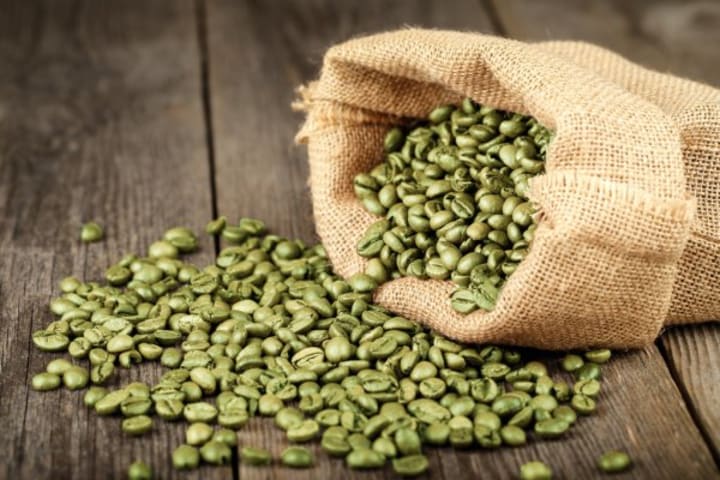
Have you ever walked into a coffee shop and asked for a black coffee and they ask “Do you want a blonde, medium, or dark roast?” And you have no idea what that even means but you just pick one so you aren't studdering and keeping up the line from all the very serious coffee drinkers that are in a rush and staring at you?? I've been there.
The lightness vs. darkness of the roast is dependant on how long the beans are roasted. The less the beans are roasted the lighter the taste and the less bitter. The longer they roast, the bolder and bigger the taste.

Now, most coffee drinkers assume that the strongest flavor means it is the most caffeinated. They stumble into the shop and say “I’m exhausted, give me the strongest coffee you got.” But what they don’t know is, when the green pits of the coffee cherry are being roasted to make coffee, the longer you roast, the more caffeine gets 'burned off.' The stronger the taste, the weaker the caffeine. So when you need that extra jolt in the morning, although you want to taste that you are consuming something to really wake you up, a blonde roast actually has the caffeine amount that does the trick, although it is a milder and more mellow taste. Personally, since I am still learning to be a strong coffee drinker, I often get a soy latte with blonde espresso. The taste is light enough for me to enjoy and the extra caffeine really gets me going.

BASIC ESPRESSO DRINKS
Speaking of lattes, have you ever looked up at the menu board at a coffee shop and don’t know what any of those Italian words mean? Latte? Cappuccino? Macchiato? Mochaccino? Espresso? The list goes on. Well, let me give you a simple explanation of the most common drinks you can order at a coffee shop. If you are a seasoned coffee drinker or a newbie, there are always new things to try.

Cafe latte and cappuccino Let’s start with the difference between cappuccino and latte. They are actually the same two ingredients. Wait what? It’s true. They are both made from steamed milk and espresso. The only difference is how you steam the milk. A normal latte has only a pinky finger's worth of foam on the top. Enough to make a heart on the top or maybe a little flower. Just a small canvas on the top of a heavy cup of milky coffee. The milk for a cappuccino gets steamed to produce more foam. And when it is poured over the espresso it should be half milk and half foam. So if you like an airy, frothy coffee, this is the one for you.

Americano This also only has two ingredients. Espresso and hot water. The term Americano originally came from World War Two. American soldiers would water down Italian or Spanish espresso with water to have it taste more like the coffee they had in the states. The name was invented by the Europeans making fun of Americans for not being able to drink pure espresso alone.

Cafe Mocha Most people assume a cafe mocha is half hot chocolate and half brewed coffee. And if you go to a corner store, that will be the case. But if you go to a coffee shop it should be espresso, chocolate, and steamed milk. And if you are lucky, maybe some whipped cream and chocolate curls on top. It should be not too sweet but a balance of dark chocolate and strong espresso.
Macchiato Macchiato in Italian means marked or stained. And if you make this drink in a clear glass mug you would know why. Although a macchiato could have flavors like caramel, maple, vanilla, or more, the assembly of the milk and espresso is what makes it a macchiato. With latte’s and cappuccinos, the espresso is poured into the cup first and then is followed by the hot milk, mixing the two as it turns. With a macchiato, you put the milk in first, with a layer of foam on the top for the espresso shot to sit on or stain. If you watch in a glass cup, you will see the majority of the espresso stay relatively close to the top, but will slowly sink down, giving the first sips of coffee a stronger punch.

Espresso Okay ... you probably realized that most cafe drinks you will see on a menu board are espresso-based. And you would be right. So let’s talk more about espresso. Have you ever been to a coffee shop and paid five dollars for a latte and you have one sip and it tastes burnt or bitter? Some people think it’s from steaming milk too long or it’s just a darker roast than they expect. But it's not. It’s because good espresso is time-sensitive. Let me explain. If you pour an espresso shot into a glass shot glass you will slowly see it change. It will start out looking very creamy, foamy, and full. Then as time goes by the cream color will slowly dissipate until it is a flat, dull, black liquid. The problem is, it only takes about 10-13 seconds for that to happen. And when it does, the taste becomes bitter and burnt. People call it a dead shot and should be thrown out and a fresh espresso shot should be poured before mixing with steamed milk. But a coll thing about espresso - if it is live or dead - is whenever the espresso comes into contact with something, like water or milk, it will remain that quality when it was mixed. So if your coffee tastes bitter, the chances were the barista got busy and caught up, and the shots died before they poured the steamed milk over your espresso.
There is so much more to learn from how to taste coffee and pair it with food or pastries, the grind and how extraction works, and different machines and brewing techniques, but I hope this is enough to give you the confidence to walk up to that barista and order a drink that you know you might actually like before you even try it. Coffee is universal but so diverse and even someone like me, who was born into a tea-drinking family, can find the flavors that suit their pallet and make them want to order a second.
Cheers.
About the Creator
Flora
𝒯𝑜𝓇𝑜𝓃𝓉𝑜-𝒷𝒶𝓈𝑒𝒹 W𝓇𝒾𝓉𝑒𝓇
𝕗𝕚𝕔𝕥𝕚𝕠𝕟, 𝕡𝕠𝕖𝕥𝕣𝕪, 𝕒𝕟𝕕 𝕙𝕦𝕞𝕠𝕦𝕣
@ꜰʟᴏʀᴀꜱ.ᴀᴜʀᴀ
A Planetary Alignment will coincide with Mercury Retrograde
Double phenomena in the heavens Some people say in jest that the planets have aligned in their favor when life works the way they desire. Were you aware that there are seasons when things do line up in the heavens? There will be a planetary alignment AKA a planet parade, on February 28, 2026.
By Cheryl E Preston16 days ago in FYI
TUS NUA - ch 53
TUS NUA – ch 53 New Beginnings – Mia and Midnight (*)(*)(*) Finola knew Ali’s brother-in-law needed to put his mind at rest. She fed her arm through his and led him outside. “We’ll sit here. If you like, I can put a block around us so our conversation will be private.”
By Margaret Brennan5 days ago in Fiction



Comments
There are no comments for this story
Be the first to respond and start the conversation.