
What is the difference between Keto diet and low-carb diet?
Difference between Keto diet and low-carb diet?


The Keto diet and a low-carb diet are similar in that they both involve reducing carbohydrate intake, but they have some key differences.
The Keto diet, short for ketogenic diet, is a high-fat, low-carbohydrate diet that aims to shift the body's metabolism from burning carbohydrates to burning fat for energy. The diet typically involves eating no more than 50 grams of carbohydrates per day and getting the majority of calories from fat sources like meat, fish, nuts, seeds, and oils. This can lead to a state of ketosis, where the body produces ketones from fat breakdown, which can lead to rapid weight loss and improved blood sugar control. However, the keto diet can be restrictive and difficult to sustain over the long term, and it may not be suitable for everyone.
A low-carb diet, on the other hand, is a more flexible approach that involves reducing carbohydrate intake to a level that is sustainable for an individual while still allowing for a variety of foods. The specific amount of carbohydrates allowed can vary, but it generally involves eating fewer carbohydrates than the typical Western diet, which is often high in processed foods and added sugars. A low-carb diet can also help with weight loss and blood sugar control, and it may be easier to stick with over the long term compared to the keto diet.
Another key difference between the Keto diet and a low-carb diet is their goals. The Keto diet is primarily used for weight loss, and it can also have other potential health benefits such as improved insulin sensitivity and decreased inflammation. However, it can be difficult to follow long-term due to its strict rules and limited food options.
In contrast, a low-carb diet may be used for weight loss, but it is also often recommended for people with diabetes or other conditions that require better blood sugar control. Additionally, a low-carb diet can be personalized to meet individual needs and preferences, making it a more sustainable option for long-term healthy eating.
Another factor to consider is the nutrient content of each diet. The Keto diet is typically high in fat and low in carbohydrates, which can result in a higher intake of saturated and unhealthy fats. On the other hand, a well-planned low-carb diet can include a variety of healthy fats, proteins, and carbohydrates from whole foods such as fruits, vegetables, nuts, and seeds.
Here are some additional differences between the Keto diet and a low-carb diet:
Protein intake: The Keto diet typically involves moderate protein intake, while a low-carb diet can include a higher amount of protein. This can be beneficial for those looking to maintain or build muscle mass.
Fiber intake: The Keto diet may be low in fiber due to its limited carbohydrate intake, while a low-carb diet can include fiber-rich foods like vegetables and fruits.
Sustainability: The Keto diet can be difficult to sustain over the long-term due to its strict rules and limited food options. A low-carb diet, on the other hand, can be personalized to meet individual preferences and may be easier to stick with over time.
Health risks: The Keto diet may increase the risk of certain health issues, such as nutrient deficiencies, liver problems, and high cholesterol levels. A well-planned low-carb diet, on the other hand, is generally considered safe and can have potential health benefits.
Cost: The Keto diet can be expensive due to its emphasis on high-fat, high-quality foods like grass-fed meat and organic produce. A low-carb diet can be more affordable and can be tailored to fit a variety of budgets.
In summary, the main difference between the Keto diet and a low-carb diet is that the Keto diet is a more strict, high-fat, very low-carbohydrate diet that aims to induce ketosis, while a low-carb diet is a more flexible approach that involves reducing carbohydrate intake to a sustainable level.
About the Creator
Priya Dogra
Priya Dogra is an ISSA certified In Keto coach and dietician who specializes in functional and integrative nutrition. She runs a virtual nutrition practice where she uses her Keto recipes and diet plans as medicine to help her clients.
Keep reading
More stories from Priya Dogra and writers in FYI and other communities.
Why does dieting change your body shape?"
Dieting can change your body shape in several ways. One of the most obvious is that it can help you lose weight. When you eat fewer calories than your body needs, it will start to burn stored fat for energy. This can lead to a reduction in body fat and a decrease in overall body weight. Additionally, certain types of diets, such as low-carb diets, can cause your body to lose water weight, which can also lead to a change in body shape. Furthermore, Dieting can also help you to build muscle. When you engage in regular exercise and eat a diet that provides enough protein, your body will begin to build muscle tissue. This can lead to an increase in muscle mass and a change in body shape. Therefore, Dieting can be an effective way to change your body shape, whether you're looking to lose weight, gain muscle, or both.
By Priya Dogra3 years ago in FYI
A Planetary Alignment will coincide with Mercury Retrograde
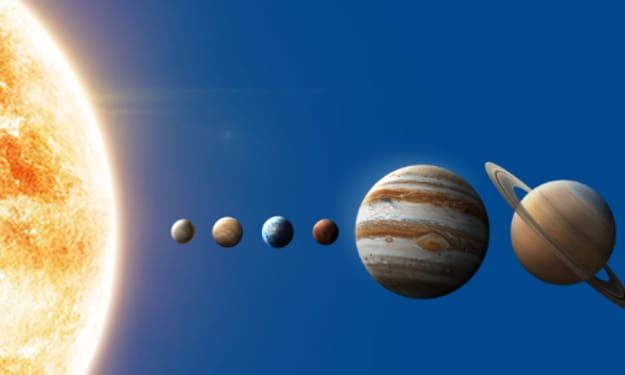
Double phenomena in the heavens Some people say in jest that the planets have aligned in their favor when life works the way they desire. Were you aware that there are seasons when things do line up in the heavens? There will be a planetary alignment AKA a planet parade, on February 28, 2026.
By Cheryl E Preston11 days ago in FYI



Comments
There are no comments for this story
Be the first to respond and start the conversation.