
What is a Tech Out Outage?
Global Tech Outage Disrupts Airports and Businesses Worldwide

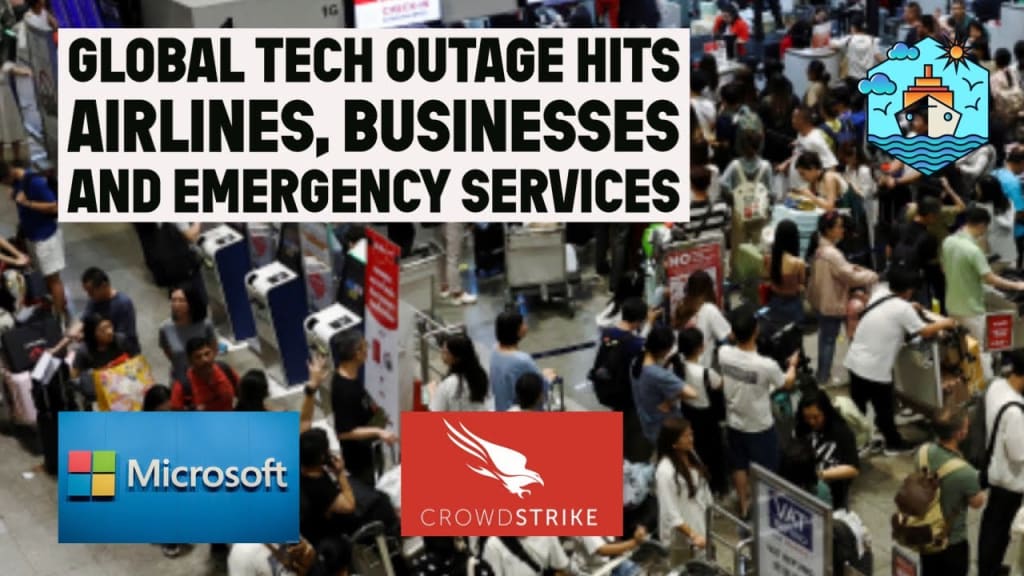
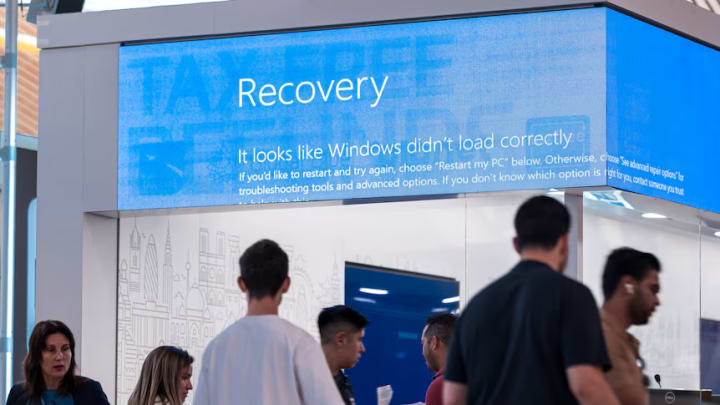
A significant tech outage has caused chaos at airports and businesses around the globe, with disruptions affecting flights, stock exchanges, and essential services. The issue originated from a problematic content update to a widely used software, leading to what is being described as a "blue screen of death" scenario across multiple sectors.
What is a Tech Outage
A "tech outage," or technology outage, is a disruption in technology systems or services that impairs their functionality. This can involve various types of technology platforms, including software systems, hardware components, network services, digital services, and business systems. For instance, software applications may become unresponsive or crash, rendering them unusable, while hardware failures, such as a server breakdown, can halt operations. Similarly, network issues can lead to interruptions in internet connectivity or internal communications, and digital services like websites or cloud-based applications may experience downtime. Business systems, including databases and enterprise resource planning systems, may also face disruptions, affecting overall productivity.
Tech outages can result from several factors. Technical glitches, such as bugs or errors in software, are common culprits, while hardware failures due to physical breakdowns or wear and tear can also cause outages. Network problems, including connectivity issues or data transmission errors, may disrupt services. Additionally, cyberattacks like Distributed Denial of Service (DDoS) attacks can overwhelm systems and lead to outages. Scheduled maintenance or upgrades, if not executed properly, can temporarily disrupt services. Human error, such as mistakes during system configuration, can also result in outages.
The impacts of tech outages are significant and multifaceted. Operational disruptions can halt daily business activities, leading to decreased productivity and service delivery issues. Customers may experience difficulties accessing services or completing tasks, resulting in frustration and a potential loss of trust in the affected service provider. Financial losses can also be substantial, especially if the outage leads to halted transactions or lost revenue. Furthermore, frequent or prolonged outages can damage a company’s reputation, affecting its relationship with clients and stakeholders.
Several strategies can be employed to mitigate and recover from tech outages. Implementing redundancy and backup systems helps minimize the impact of outages by ensuring that there are alternative solutions in place. Developing and maintaining incident response plans allows organizations to respond quickly and effectively to outages, reducing downtime and disruption. Regular monitoring of systems and setting up alerts can aid in the early detection of issues, enabling prompt resolution. Effective communication with stakeholders during an outage and throughout the recovery process helps manage expectations and maintain trust. By understanding the nature of tech outages and employing these strategies, businesses and individuals can better manage and mitigate the impact of technology disruptions.
The Root Cause
The major disruption affecting countless users was traced back to an update from CrowdStrike, a leading cybersecurity firm. The update, intended to enhance their software’s performance, inadvertently caused significant outages across Windows operating systems, which are the most widely used OS globally. Despite initial fears of a cyber attack, CrowdStrike has confirmed that the issue was a technical glitch rather than malicious interference. The impact of this glitch has been far-reaching. Users of Windows systems experienced widespread disruptions, with many encountering system crashes and software failures. These issues severely affected daily operations for both individuals and businesses, leading to productivity losses and operational delays.
CrowdStrike’s update, designed to bolster security and functionality, instead triggered unforeseen complications within the Windows environment. The company's swift acknowledgment of the issue and clarification that it was not a cyber attack helped alleviate some concerns but did little to mitigate the immediate disruptions caused. The incident underscores the critical importance of rigorous testing before deploying updates, particularly for software that interacts with widely used operating systems. As the situation unfolds, both CrowdStrike and affected users are working to address the technical issues and restore normalcy. The event highlights the potential vulnerabilities in technology systems and the cascading effects that a single update can have on global networks.
Widespread Disruptions
Airports and Airlines
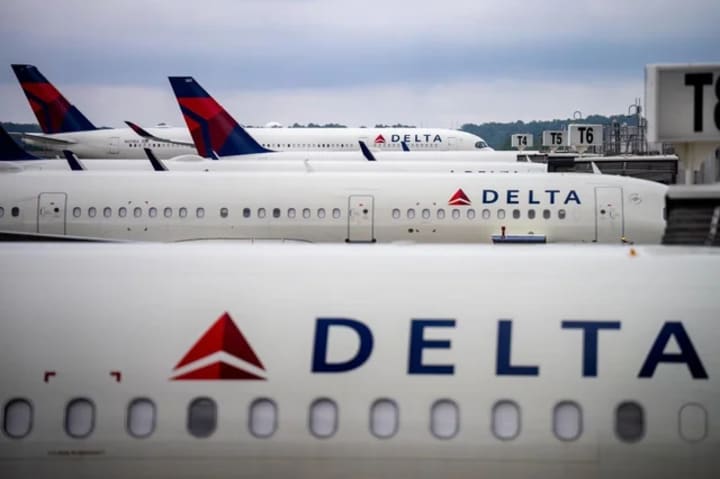
Airports around the globe are grappling with unprecedented delays and cancellations due to the widespread technical disruptions. In the U.S., major airports such as Hartsfield-Jackson Atlanta International and Los Angeles International are particularly affected. Airlines like United and American have managed to resume some flights, but many, including Delta, remain grounded. This has resulted in massive queues and frustrated travelers, with some passengers stranded at airports for hours or even overnight.
In Europe, the situation mirrors the chaos seen in the U.S. Airports like Heathrow, Gatwick, and Amsterdam Schiphol are facing severe disruptions. The timing of this outage, coinciding with the peak summer vacation season, has only worsened the situation. Airlines such as KLM are struggling to manage their flight schedules, further exacerbating the delays and cancellations. The ripple effect of these disruptions is significant, leaving many travelers stranded and facing considerable inconvenience. As both U.S. and European airports work to manage the fallout, the sheer scale of the delays underscores the challenges of maintaining smooth operations during such widespread technical failures.
Business and Financial Impact

The outage has significantly disrupted various business operations, with widespread effects across multiple sectors. Financial institutions, including the New York Stock Exchange, have experienced notable issues, impacting trading activities and financial transactions. This disruption has created volatility in the financial markets and hindered the smooth execution of business operations.
The impact extends beyond the financial sector to essential services such as healthcare. Booking appointments and processing prescriptions have become problematic, causing delays in patient care and essential medical services. Additionally, grocery stores and other retail businesses are grappling with operational challenges, affecting inventory management and customer service. Overall, the outage’s ripple effect underscores the critical reliance on technology across various industries, highlighting how interconnected systems can lead to widespread disruption when technical failures occur.
On-the-Ground Reactions

The human element of this crisis is evident in the stories emerging from affected locations, painting a vivid picture of the on-the-ground impact. In Atlanta, passengers have reported enduring long waits and confusion as the system faltered, with some having to manually check in for their flights. This has led to frustration and chaos among travelers trying to navigate the disruption.
In Sydney, travelers are facing extended stays at the airport due to numerous flight cancellations. Many are left scrambling for alternative arrangements, further adding to the strain of the situation. Meanwhile, in the UK, the effects of the outage are being felt beyond airports. Health services are experiencing delays in appointment scheduling and patient management, while telecom providers are grappling with service interruptions, affecting communication and connectivity. These on-the-ground reactions underscore the widespread and deeply personal impact of the tech outage, revealing how such disruptions ripple through daily life, affecting both travel plans and essential services.
Recovery Efforts and Future Outlook
Recovery efforts are underway, but experts suggest that the path to full restoration will be gradual. Mary Schiavo, a former inspector general of the U.S. Department of Transportation, notes that while a software fix is being deployed, resuming normal operations will not happen immediately. The complexity of the situation means that many systems and processes need time to stabilize. Airlines and other affected sectors are advised to explore alternative arrangements and continuously monitor updates on service statuses. This cautious approach is essential to mitigate further disruptions and ensure that operations can return to normal as smoothly as possible. As the recovery progresses, travelers and businesses alike should remain patient and stay informed about the evolving situation.
Closing
The global IT outage has highlighted the vulnerabilities in our interconnected systems and the far-reaching impact of a single technical failure. As recovery efforts continue, travelers and businesses must navigate the disruptions with patience and flexibility. This incident serves as a reminder of the importance of robust systems and contingency planning in managing critical infrastructure.
About the Creator
Horace Was
Essay Writer, Aviation and Technology Expert
Keep reading
More stories from Horace Was and writers in FYI and other communities.
IBM’s Lose of the AI Race Explained
IBM’s legacy in artificial intelligence is a story of innovation and ambition, marked by landmark achievements like Deep Blue’s victory over Garry Kasparov and Watson’s triumph on Jeopardy!. Yet, despite these impressive milestones, IBM has faced significant challenges in maintaining its dominance in the AI race. The blog explores the rise and fall of IBM’s AI ventures, analyzing key factors that contributed to the company's struggles and how it lost its leading position in the AI landscape.
By Horace Wasabout a year ago in FYI
I Preached an Entire Sermon Based on Only One Word
As an itinerant preacher, I was invited to preach at a church for its Missionary Sunday. I chose to preach on a practical subject in keeping with the occasion. Even though the sermon was geared toward missionaries, it was appropriate for everyone who heard it.
By Margaret Minnicks3 days ago in FYI



Comments
There are no comments for this story
Be the first to respond and start the conversation.