
Vampire Bats
The Disturbing Facts About Vampire Bats

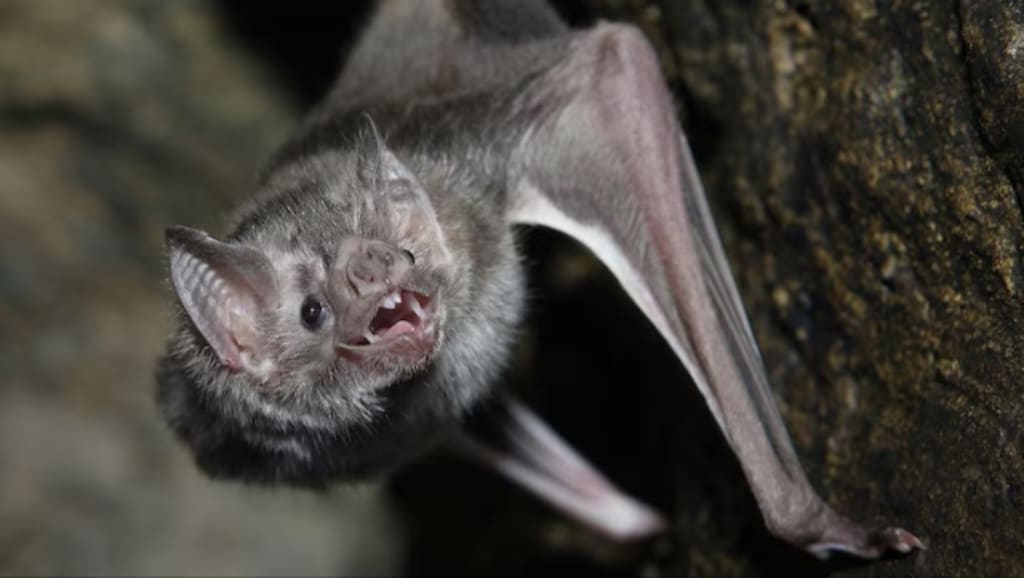
Vampire bats, with their eerie nocturnal habits and blood-feeding behavior, are reminiscent of the mythical vampires they are named after. These fascinating yet unnerving creatures fly through the dark skies in search of their next meal, typically targeting cows, pigs, horses, and birds. Human encounters are rare, but they do happen. Unlike the fictional vampires, these bats make a tiny incision with their sharp teeth and then lap up the blood with their tongues, often feeding for over 30 minutes without disturbing their prey.
These bats possess remarkable adaptations that aid their unique feeding habits. They can detect their prey by listening to the sound of animal breathing and even recognize the breathing patterns of specific animals, allowing them to return to the same host night after night. Additionally, vampire bats have heat sensors to locate the optimal feeding spots on their prey and are equipped with strong hind legs and a special thumb for agile movement, enabling them to walk, run, and jump. These adaptations make vampire bats highly efficient in their feeding, ensuring they can sustain themselves and their colonies.
The survival of vampire bats is closely tied to their ability to find food every night. Missing two consecutive meals can be fatal, as their small bodies have limited energy reserves. This high-risk lifestyle has led to the evolution of social behaviors that help mitigate the threat of starvation. For instance, vampire bats often share food with each other. Well-fed bats will regurgitate blood to share with their hungry companions, a behavior observed especially among females who often support new mothers. This generosity helps maintain the colony's health and survival, creating a complex social network based on reciprocity and cooperation.
Vampire bats' unique traits extend beyond their feeding. Unlike other bat species, they can walk, run, and jump, enhancing their ability to capture prey. Their mobility on the ground is facilitated by their strong hind legs and a specialized thumb, allowing them to move swiftly and stealthily. This ability to traverse the ground effectively distinguishes vampire bats from other bats, which are typically limited to flight and awkward crawling.
In addition to their fascinating adaptations and social behaviors, vampire bats play a vital ecological role. They help control insect populations and pollinate plants, contributing to the health and balance of their ecosystems. Despite their blood-feeding habits, vampire bats are an integral part of their habitats, aiding in the natural regulation of species populations and the promotion of plant diversity.
However, the association of vampire bats with diseases, particularly rabies, poses significant health risks. Bats are common rabies vectors, and bites can transmit the virus to both humans and animals. Rabies is a deadly virus that affects the nervous system, leading to severe symptoms and, if untreated, death. The risk of rabies transmission is particularly high in rural areas where people and livestock live in close proximity to bat habitats. This has prompted efforts to manage and mitigate these risks, including controlling bat populations and vaccinating livestock.
Effective management strategies are essential to reduce the health risks posed by vampire bats. Vaccination programs for livestock and pets are crucial in preventing the spread of rabies. Public education on the risks associated with vampire bats and the importance of avoiding direct contact with them is also vital. Additionally, monitoring bat populations and their habitats can help identify potential outbreaks and implement timely interventions.
In summary, vampire bats are extraordinary creatures with complex behaviors and significant ecological roles. Their blood-feeding habits, specialized adaptations, and social behaviors make them unique among mammals. While their ability to transmit diseases, particularly rabies, is concerning, understanding these aspects emphasizes the importance of continued research and conservation efforts. By balancing their ecological benefits and potential dangers, we can better appreciate and manage these remarkable nocturnal mammals. This holistic approach ensures that we protect both human health and the vital ecological functions that vampire bats provide.
Understanding the intricate lives of vampire bats not only highlights their fascinating biology but also underscores the need for coexistence strategies that respect both human and animal health. Through targeted conservation efforts and public health initiatives, we can ensure that vampire bats continue to thrive in their natural habitats while minimizing the risks they pose to humans and livestock. This balanced perspective fosters a deeper appreciation of the natural world and the complex interdependencies that sustain it.
About the Creator
Bayu Setyawan
Hallo, I am a sales representative at Samsung Electronics Indonesia, blending industry expertise and creativity to craft compelling stories, insightful articles, engaging content, and inspiring through powerful and captivating narratives!
Keep reading
More stories from Bayu Setyawan and writers in FYI and other communities.
The Journey to the Earth's Core
What's the most exotic destination you've ever been to? Hawaii? Australia? Hoboken, New Jersey? Well, today, I'm setting off on a journey that's way more unusual than that—down to the Earth's core. And I'm inviting you to join me—are you ready? Ah, come on, it'll be fun. Let's go!
By Bayu Setyawan2 years ago in FYI
A Failed Artist, A Disillusioned Poet, An Underpaid Game Show Host
I took my son and niece to Gori, a small town in Georgia where Joseph Stalin was born. They talked me into visiting the Stalin's Museum, the largest in the post-Soviet space. I had resisted going there because I just can't stand the monster and know enough about him, or so I thought.
By Lana V Lynx21 days ago in FYI
Is There a Hidden Ocean Inside the Earth, and Are We Running Out of Time?
If you think you understand what’s beneath your feet, science might want a word with you, because recent research suggests our planet may be hiding something massive. And no, this isn’t sci-fi. It’s grounded in real discoveries, strange footage, and unsettling predictions about where humanity is headed.
By Areeba Umair3 days ago in FYI




Comments
There are no comments for this story
Be the first to respond and start the conversation.