
Trump’s New Tariffs: What They Mean for You as a Consumer
Trump has made another executive order causing an increase of 10% in tariffs. What does this mean for you?
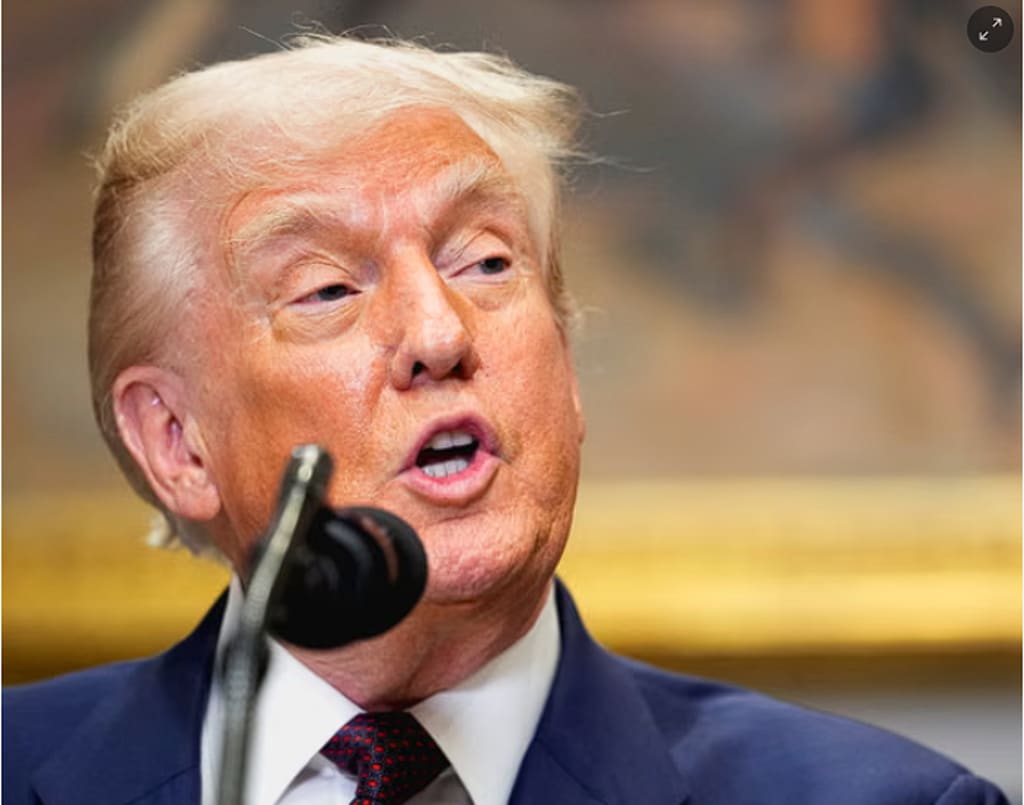
President Donald Trump on July 31, 2025, signed broad new tariff increases on dozens of countries, shaking world trade again. The new tariffs—many to take effect August 7—range from a minimum 10% tariff on pretty much all imports to individual country rates of up to 41%. Consumers are already feeling the pinch—and it gets worse from here.
So what does this mean for you, the everyday shopper? Whether you’re buying clothes, electronics, cars, or groceries, you’ll likely pay more—sometimes without even knowing it. Here's how and why.
What Are Tariffs, Again?
A tariff is a foreign good tax. When America puts a tariff on a product—say, 20% on Indian purses—it raises the price of that product for American businesses to purchase. Generally, the company doesn't absorb it; they simply pass it on to you, the consumer.
Key Highlights of Trump's 2025 Tariffs
10% "reciprocal" baseline tariff on most imports from countries without a new trade agreement.
Between 11% and 41% country-specific rates.
Stand-out examples:
Syria: 41%
Switzerland: 39%
Taiwan: 20%
Canada: 35% (up from 25%)
Mexico got a 90-day delay, but gets 50% tariffs on steel and 25% on autos and fentanyl-related products.
De minimis exemption suspended – online purchases under $800 now also subject to tax.
So… How Will This Hit Your Wallet?
1. Clothing and Accessories Will Get Pricier
Countries like India, Vietnam, Bangladesh, and China offer huge amounts of apparel and accessories. 15–25% import tariffs from these countries lead to:
That $40 handbag may now be $45 or $50.
Cheap brands could raise prices universally.
Even "Made in USA" products might go up, as parts and materials are often imported.
2. Grocery Bills Could Rise
If you buy imported groceries—Italian olive oil, Colombian coffee, or Indian spices—expect those to get more expensive. Locally purchased groceries could also surge due to increased gas and equipment costs (most agricultural equipment is made up of imported parts).
3. Electronics and Gadgets Will Be Affected
Phone, computer, and appliance components are imported from dozens of countries, such as Japan, South Korea, and Taiwan—all of which will be impacted by the new tariffs. This could lead to:
Longer wait times to restock technology.
A higher price tag—specifically from mid-range and high-end products.
4. Cars & Car Parts Will Be More Expensive
If you're purchasing a new car, particularly from Mexico, Canada, Japan, or South Korea, higher sticker prices are what you can expect. Even American automakers employ foreign components, which are now tariffed. Your next oil change or brake pad replacement could cost more, too.
5. Online Shopping Won't Be a Loophole Anymore
Historically, much of the imported goods worth less than $800 have been tariff exempt. But now, that de minimis exemption is suspended, so:
Your $60 foreign retailer sweater? Now taxed.
Small foreign seller purchases on eBay or Etsy? Now more expensive.
Rely on shipping centers such as Amazon or DHL to adjust prices or charges accordingly.
Why Is This Happening?
Trump's government claims these tariffs are all about "fairness and national security," citing other countries having long been enjoying low or no U.S. import duties but imposing heavy duties of their own. The strategy is to pressure other governments to negotiate trade deals favorable to American workers and businesses.
Others claim it's:
A tax on consumers disguised as protectionism.
Destructive to supply chains and small businesses.
Likely to drive inflation at a moment when prices are already elevated.
What Can You Do?
Shop smarter: Compare prices among stores. Some might still have pre-tariff stock at lower prices.
Buy used or local: Second-hand items or goods made solely in the U.S. can save you from the tariff markup.
Delay big buys: If you're thinking of electronics, cars, or appliances, check whether price hikes are on the horizon—patience could be rewarded.
Be on the lookout for special deals: Retailers can lower prices to push customers away.
The Bigger Picture
These tariffs aren't merely economic policy—they're part of a wider political reorientation. Trump is doubling down on trade nationalism, and legal challenges are already underway questioning whether he has the authority to impose such sweeping tariffs under emergency powers.
Depending on how the courts and international markets react, we might be witnessing:
More countries retaliating with tariffs of their own.
Ongoing legal fights that can roll back or alter these policies.
Fluctuating prices over the next 6–12 months.
Final Word
While the headlines might sound like politics as usual, the real impact of Trump’s tariffs is personal. Whether it’s your next pair of shoes, iPhone, or groceries, you’re likely to feel it at checkout.
Pay attention. Ask questions. And plan ahead—because global trade wars are fought one receipt at a time.
About the Creator
Keep reading
More stories from Jayden Hua and writers in FYI and other communities.
HAWAII STRUCK BY TSUNAMI
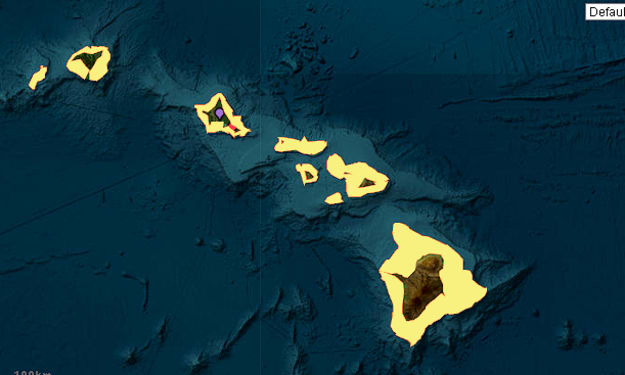
Hawaii Braces for Tsunami Threat Following Great 8.8 Russian Quake Hawaii was put in Tsunami Warning on 29th July 2025, when a monstrous 8.8-magnitude rumble occurred near the Russian coast of the Kamchatka Peninsula. The 8.8-magnitude tremor that shook offshore in a seismically active region of the Pacific Ocean produced waves that passed through the sea's basin, forcing Hawaii to put its entire response for emergencies on high.
By Jayden Hua6 months ago in Earth
A Failed Artist, A Disillusioned Poet, An Underpaid Game Show Host
I took my son and niece to Gori, a small town in Georgia where Joseph Stalin was born. They talked me into visiting the Stalin's Museum, the largest in the post-Soviet space. I had resisted going there because I just can't stand the monster and know enough about him, or so I thought.
By Lana V Lynx20 days ago in FYI


Comments
There are no comments for this story
Be the first to respond and start the conversation.