
Top Five Coffee Trends To Watch in 2024
This article explores five ongoing and future trends in coffee.

Millions worldwide wake up and “smell the coffee” as part of their daily routine. In the ever-evolving world of coffee, staying abreast of the latest trends is critical for casual drinkers and industry professionals alike. Whether you’re an enthusiast for a cup of joe seeking new flavors or a business owner seeking to improve your bottom line, understanding what’s now and next in coffee is a must.
The global coffee market continues to boom. In the US alone, the total revenue of coffee in 2024 tops out at over $460 billion. This includes coffee purchased for home use and beverages sold at restaurants and bars. The growth of the coffee industry continues to fuel innovation and creativity concerning how we harvest, market, and consume this beverage. In this post, we’ll explore the top coffee trends in 2024, from sustainability initiatives to emerging brewing methods and more.
Sustainability and Ethical Sourcing
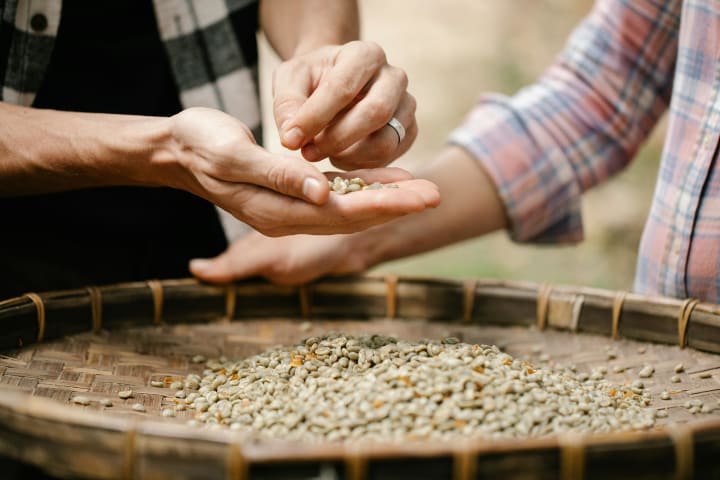
With growing awareness of the environmental and social impacts of spending, more consumers demand sustainably and ethically sourced coffee. This trend reflects the increased desire to support coffee producers who prioritize responsible practices, such as protecting the environment and the well-being of coffee communities.
Fair trade and organic certifications have been crucial in fueling this trend. Fair trade certification ensures that farmers receive a fair price for their beans, allowing investment in their communities and the improvement of their livelihoods. Organic certifications ensure no harmful pesticides or fertilizers are used, protecting the environment and consumers’ health. Providing a reliable way for coffee drinkers to identify sustainable and ethical products has led to a more sustainable and equitable supply chain.
Single-Origin Coffee
“Single-origin” describes coffee sourced from a specific region or farm, as opposed to a blend of beans from several locations. This farm-to-cup approach creates a direct connection from the producer to the consumer. The discerning drinker will appreciate the distinctive flavor profiles of single-origin coffee. Each region has a unique combination of soil, climate, and growing conditions that yield various flavors, from fruity and floral to chocolatey and nutty.
Single-origin coffee often goes hand-in-hand with sustainable and ethical sourcing. It’s easier to trace the coffee’s journey from field to cup when sourced from a particular region or farm. Single-origin coffee also supports smaller-scale producers, who are often more likely to engage in eco-friendly practices and fair trade initiatives.
The Rise of Cold Brew and Nitro Coffee
Two unique methods of brewing coffee have surged in popularity recently:
- Cold brew coffee involves steeping coffee grounds in cold water for an extended period. This slow extraction yields coffee that is smoother, less acidic, and often sweeter than hot-brewed coffee. Cold brew is a versatile and popular choice since it can be enjoyed hot or cold at any time of the year.
- Nitro coffee is cold-brew coffee infused with nitrogen gas. The nitrogen creates a creamy texture and foamy head, leading to a cascading effect when poured. Nitro coffee’s unique look and velvety mouthfeel make it a go-to for serious coffee drinkers.
The distinct flavor profiles and refreshing qualities of cold brew and nitro coffee make them delicious alternatives to a hot cup of joe. The growing popularity of these brewing methods will call for specialized equipment and ingredients.
Plant-Based Milk Alternatives
One enduring trend in coffee consumption is the use of plant-based alternatives to milk. The demand for these products is often driven by ethics, health, or sustainability. Oat, almond, soy, and coconut are the most common non-dairy choices available in stores and restaurants:
- Oat: Popular for its creamy texture and mild flavor.
- Almond: Praised for its nutty taste that complements many flavors.
- Soy: A go-to for its high protein content.
- Coconut: Loved for its rich and tropical flavor that pairs well with some beans and blends.
- Rice: Light, refreshing, and hypoallergenic.
- Cashew: Comes with a creamy consistency that holds its own in chilled coffee beverages.
Emerging alternatives include pea milk, which offers high protein content and a neutral flavor, and hemp milk, which is rich in omega-3 fatty acids. It is likely that more innovative plant-based alternatives will continue to emerge as consumer preferences evolve.
Coffee and Technology
No discussion of coffee trends is complete without looking at how technology has transformed how we experience this beverage. The intersection of coffee and technology has merged convenience and innovation in the following ways:
- Smart coffee machines: Increasingly popular, these appliances offer features such as automated brewing, programmable timers, and smartphone connectivity. Smart coffee makers allow for precise control, ensuring that each cup is brewed to your exact preferences.
- Coffee-related apps: Coffee-related apps provide a range of functionalities, including tracking caffeine intake, discovering new beans, finding nearby coffee shops, and more. Users can receive personalized recommendations or learn specialized brewing methods.
- Artificial intelligence (AI): AI is making its mark on the world, and the coffee industry is no exception. AI-powered algorithms can analyze data on consumer preferences, market trends, new and unique flavors, and bean characteristics, providing valuable insights on optimization, product development, and ways to boost coffee enjoyment.
These are just some technological advances propelling and shaping the coffee market. Virtual coffee tasting, barista training systems, and latte art machines are other examples of technology pushing the envelope on the global coffee experience.
Brewing a Bright Future
Observing the coffee market in 2024 and looking beyond, our concept of coffee consumption continues to evolve. This evolution is propelled by changing drinker preferences, technological developments, and an increased focus on sustainable and ethical sourcing. From single-origin coffee to unique brewing methods to innovative technological advances, the coffee industry is poised for continued growth.
Coffee enthusiasts and industry professionals can stay ahead of the game by educating themselves on these and other trends. There’s a bright future brewing, and it’s time to embrace the exciting changes taking place in the world of coffee. Let’s raise a cup to the future of coffee and the fascinating innovations ahead!
About the Creator
Julia Nikolaus
Julia Nikolaus is a content strategist for an LA-based company. She enjoys working with food + drink brands as well as pet brands, likes to take dance classes, and currently shares a dog and pygmy goats with her parents on their farmette.
Keep reading
More stories from Julia Nikolaus and writers in FYI and other communities.
Training Big Dogs
Large dogs are just as adorable and fun-loving as small dogs. They are also just as capable of training successfully as small dogs because a dog’s makeup is the same: canine. If you own a big dog and want to know the best strategies for teaching your dog appropriate manners, here are some excellent tips to get you started.
By Julia Nikolaus2 years ago in Petlife
A Planetary Alignment will coincide with Mercury Retrograde
Double phenomena in the heavens Some people say in jest that the planets have aligned in their favor when life works the way they desire. Were you aware that there are seasons when things do line up in the heavens? There will be a planetary alignment AKA a planet parade, on February 28, 2026.
By Cheryl E Preston14 days ago in FYI
TUS NUA - ch 53
TUS NUA – ch 53 New Beginnings – Mia and Midnight (*)(*)(*) Finola knew Ali’s brother-in-law needed to put his mind at rest. She fed her arm through his and led him outside. “We’ll sit here. If you like, I can put a block around us so our conversation will be private.”
By Margaret Brennan2 days ago in Fiction




Comments
There are no comments for this story
Be the first to respond and start the conversation.