
Top 10 Tips for Teaching Jiu-Jitsu to Young Beginners
Engaging Young Minds on the Mat

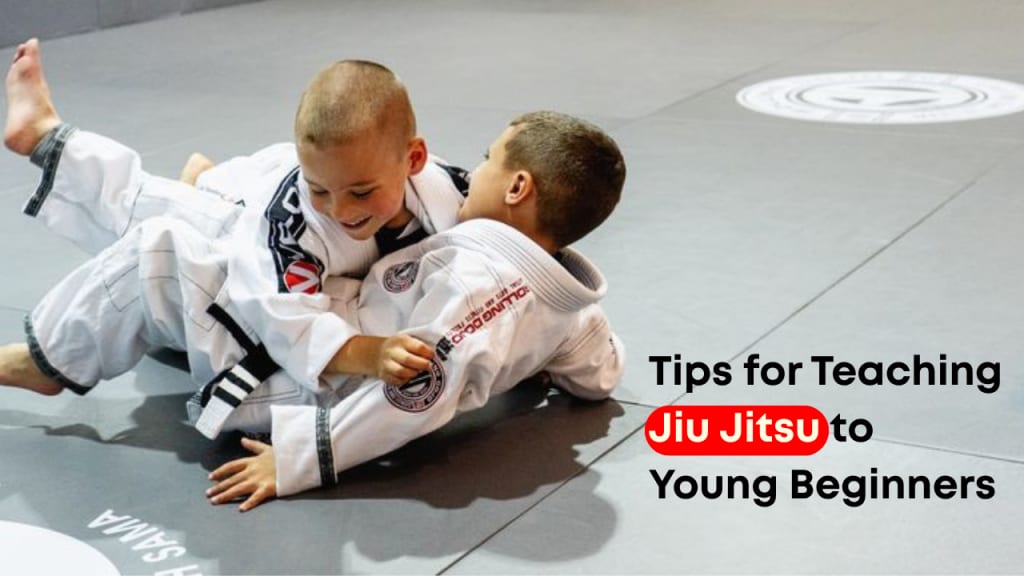
Watching a child walk onto the mats for their very first Jiu-Jitsu class is a unique experience, one that’s filled with excitement, nerves, and untapped potential. Teaching jiu-jitsu for kids isn't just about passing down technique. It's about creating an atmosphere where children feel safe, understood, and inspired to grow both physically and mentally.
If you've ever stood in front of a group of energetic beginners wondering how to balance discipline, fun, and education, you’re not alone. I've been there. It's a learning process for both the students and the teacher.
Below are ten deeply practical, field-tested tips for teaching Jiu-Jitsu to young beginners that will not only help you build better martial artists but also better people.
1. Make the First Class Memorable
The first impression matters more than most realize. A child’s experience during their first class can shape their long-term attitude toward Jiu-Jitsu. Start the session with enthusiasm and approachability. Greet each child by name, give them a quick tour, and let them know what to expect.
For jiu-jitsu for kids, uncertainty is often the biggest barrier. Children want to feel secure. A warm introduction and a few familiar faces (even if it’s just you and a training dummy with a name) can help them settle in.
2. Keep Language Simple and Relatable
It’s easy to forget how confusing martial arts terminology can be for a six-year-old. Instead of using technical terms like “cross-collar choke” or “de la Riva guard,” use language that matches their world. Say things like, “hook your leg like a monkey climbing a tree,” or “squish like a pancake” to explain positions.
Visual and tactile examples not only make learning easier but also much more enjoyable. When teaching Jiu-Jitsu to young beginners, relatability is more important than precision.
3. Structure Is Everything (But Stay Flexible)
Kids thrive with routine. Establish a clear class structure, something they can get used to and find comfort in. But also be ready to adapt when attention spans begin to wane or energy levels spike.
A balanced class for jiu-jitsu for kids might follow a flow like:
- Warm-up with dynamic movement
- Skill-building through games
- Technique of the day
- Controlled drilling
- Wrap-up game or review
Some days, they’ll be fully locked in. Other days, you’ll be wrangling bouncing feet and wandering minds. That’s okay. Flexibility is part of the job.
4. Encourage Without Overpraising
Praise is powerful, but it should be used with intention. Kids are smart, they can tell when you’re giving empty compliments. Instead of saying “Good job!” over and over, try offering feedback that reflects genuine observation.
- “I noticed how you kept trying that move even after falling. That’s real effort.”
- “You helped your partner without being told. That’s leadership.”
This type of feedback helps build self-awareness, not just self-esteem.
5. Integrate Learning Into Games
Games are one of the most effective ways to teach Jiu-Jitsu to young beginners without making the class feel rigid or boring. But the key is to make sure the games have purpose. Every activity should serve a technical or behavioral lesson.
Here are a few examples of games that support jiu-jitsu fundamentals:
- Shark Tank – Teaches positional escapes
- Ninja Crawl Race – Builds core movement and coordination
- Belt Tag – Promotes agility and spatial awareness
- Turtle Flip – Reinforces turning and base recovery
Well-designed games allow kids to absorb lessons naturally while staying engaged.
6. Teach Respect From Day One
Respect isn’t just a martial arts cliché; it’s essential. One of the most powerful values Jiu-Jitsu can instill in children is respect for others and for themselves.
Introduce class rules early and reinforce them consistently. Let kids know that tapping is not losing, it’s learning. That partners are not opponents, they’re teammates. Jiu-Jitsu is not for hurting others, but for protecting yourself and your community.
Let your tone, actions, and expectations reflect that message.
7. Modify Techniques for Young Bodies
Young children don’t have the strength, coordination, or comprehension to perform adult-level Jiu-Jitsu moves. Even if they’re eager, you’ll need to adjust.
Instead of intricate guard passes or submissions, start with gross motor movements: shrimping, bridging, rolling, and maintaining balance. As they grow, both physically and cognitively, you can slowly introduce more refined techniques.
Tailoring your approach to their developmental stage is essential to ensure both safety and success.
8. Encourage Team Spirit, Not Rivalry
Martial arts can be competitive, but when teaching jiu-jitsu for kids, the real focus should be on community. It’s your job to foster an environment where students help one another grow.
Competition can be introduced later, but in the early stages, kids should learn that:
- Success comes from teamwork and support
- Everyone improves at a different pace
- Losing is just another form of learning
Celebrate cooperative drilling, acts of kindness, and mentorship between kids. These are the true victories in any class.
9. Keep Parents Informed and Involved
The connection between instructor and parent is just as important as the one between student and teacher. Parents want to know what their kids are learning, how they're progressing, and what they can do to help.
Consider doing the following:
- Offer brief updates at the end of class
- Create a monthly progress chart or newsletter
- Host open-house sessions where parents can participate
Involved parents are more likely to keep their children enrolled and motivated. They're also more inclined to reinforce the discipline and values taught in class.
10. Lead by Example, with Patience and Purpose
Finally, and perhaps most importantly, be the kind of role model you'd want your own child to have. Patience, consistency, and passion are what make a great kids' instructor.
Kids are intuitive. They’ll pick up on your mood, your energy, and how you handle stress. When you stay calm in chaos, it teaches them composure. When you push through frustration with a smile, it teaches them resilience. When you correct without shaming, it teaches them kindness under pressure.
Teaching Jiu Jitsu to young beginners is more than a job- it’s a responsibility. One that goes beyond mats and medals.
Final Reflection
There’s no one-size-fits-all approach to teaching jiu-jitsu for kids. Every class, every child, every moment brings new lessons, for them and for you. But when approached with care, strategy, and compassion, Jiu-Jitsu becomes a powerful tool for shaping not just young athletes but confident, respectful, and resilient individuals.
Whether you're just starting out as an instructor or looking to refine your methods, remember: it’s not about turning kids into champions, it’s about helping them discover their own strength.
If you're interested in a printable version of these tips or a lesson plan template, let me know. I’d be happy to share.
About the Creator
Angela R. Taylor
Hey community I’m Angela R. Taylor With a deep passion for Brazilian Jiu-Jitsu, I coach students of all levels, focusing on technique, discipline, and personal growth.
Keep reading
More stories from Angela R. Taylor and writers in FYI and other communities.
Beginner’s Guide to Kids Brazilian Jiu-Jitsu Training
Brazilian Jiu-Jitsu might seem intimidating at first, especially when you’re thinking about it for your child. But the truth? Kids Brazilian Jiu-Jitsu is one of the most enriching martial arts a young person can train in. It teaches discipline, sharpens the mind, and strengthens the body-all while keeping things engaging, playful, and safe.
By Angela R. Taylor6 months ago in FYI
A Failed Artist, A Disillusioned Poet, An Underpaid Game Show Host
I took my son and niece to Gori, a small town in Georgia where Joseph Stalin was born. They talked me into visiting the Stalin's Museum, the largest in the post-Soviet space. I had resisted going there because I just can't stand the monster and know enough about him, or so I thought.
By Lana V Lynx20 days ago in FYI
Did Ebola Really Bring People Back From the Dead? A Chilling Story From West Africa
A Disturbing Report Out of Liberia A strange and unsettling story began circulating after a local newspaper in Liberia’s Nimba County reported something almost unbelievable: two women who had supposedly died from Ebola were seen alive again.
By Areeba Umaira day ago in FYI



Comments
There are no comments for this story
Be the first to respond and start the conversation.