
The US war in Afghanistan did not fail; in fact, it succeeded in making the Taliban subservient to the US
The US-Taliban close tie is not very unlikely
The US did not invade Afghanistan in 2001 to establish a democratic system, bring freedom and gender equality, or protect human rights. The Taliban’s atrocities and the 1998 massacre of 10,000 members of the Hazara ethnic group in Mazar-e Sharif occurred at a time when the US was sympathetic towards the Taliban. The US’s invasion of Afghanistan only came after the 9/11 attacks. Usama Bin Laden, the mastermind behind 9/11, developed a globalist-jihadist ideology during the Soviet invasion of Afghanistan and the Western Bloc-funded resistance.
After 9/11, the US and its NATO allies entered Afghanistan with the aim of punishing the Taliban for harboring Bin Laden. They successfully overthrew the Taliban, kept them at bay for 20 years, and eliminated Usama Bin Laden in 2011. In February 2020, the US reached a deal with the Taliban and withdrew from the country by August of the following year.
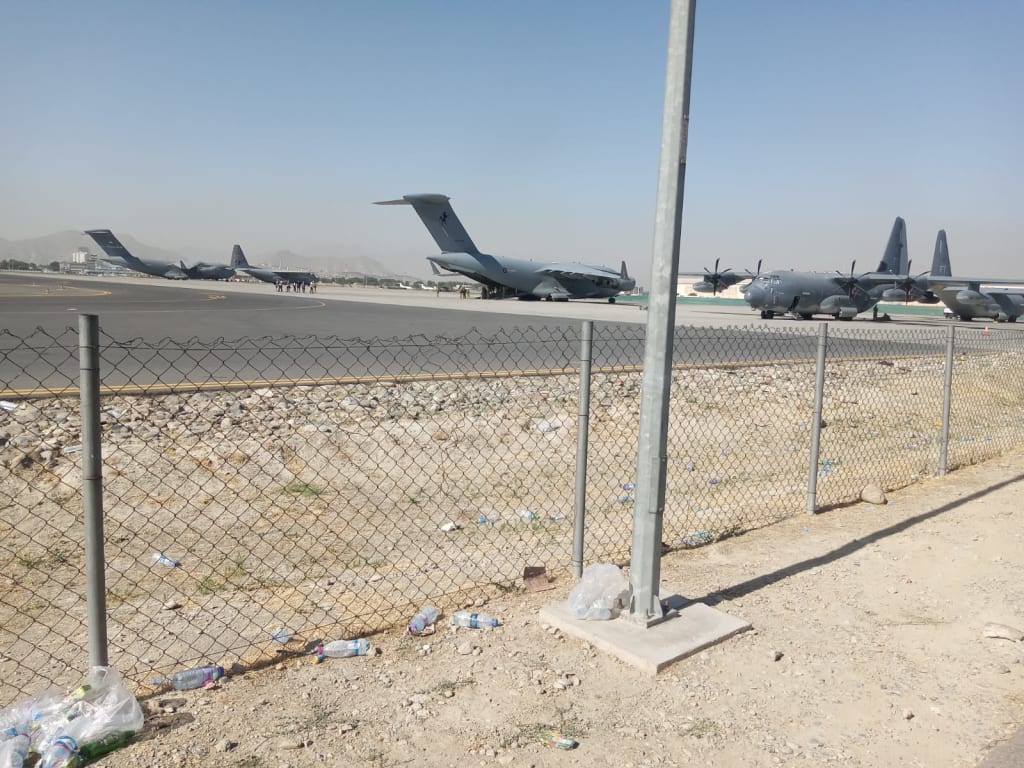
On August 26, 2021, during a rushed attempt to enter Kabul airport, I witnessed US soldiers and Taliban members exchanging bottles of water and laughing as if they were close friends. This experience led me to believe that a lasting friendship is developing between the two parties, and the US and the Taliban will eventually become friends. Although the US has not yet recognized the Taliban, I remain of the opinion that it will happen. The Taliban leaders are demonstrating signs of subservience to the US, urging it to recognize them as a legitimate government. They claim that Afghanistan will no longer be a threat to the US and that they have learned from past mistakes. They request to be left to their domestic affairs, including the implementation of their cultural and religious practices, even if it means oppressing women. In this perspective, the US has historically shown indifference towards democracy and women’s rights in Afghanistan, as well as in Saudi Arabia and other Gulf states, as long as they remain subservient to the United States. Additionally, The US left behind a vast array of guns, tanks, weapons, and military hardware. When the Taliban requires spare parts, repairs, or refurbishment for this equipment, to whom they may turn — the US. One more client is added to the list of buyers of US military hardware.
The US shows concern for Iranian women because the Iranian theocracy does not want to be subservient to the US. If the Iranian theocracy were to take orders from the US, women’s rights in Iran would cease to be an issue.
In my opinion, the Taliban will eventually become subservient to the US, and both parties will coexist harmoniously. However, the presence of China complicates the situation. Given the ongoing preparations for a long war between the US and China, the Taliban will face challenges in balancing their relationship with both powers. This dynamic can be seen as Afghanistan’s recurring struggle, or “Afghanistan’s disease,” of balancing between great powers dating back to the 19th century. During that time, Afghanistan was caught between Tsarist Russia and the British Empire, a period known as the Great Game. The British Empire invaded Afghanistan three times to prevent Russian advancement towards the Indian subcontinent, ultimately leading to British influence in Afghanistan’s foreign policy from 1880 to 1919. In the 20th century, Afghanistan found itself caught between the Western bloc and the Soviet Union during the Cold War, culminating in the Soviet invasion of Afghanistan in the 1980s. Similarly, the ongoing competition between the US and China in the 21st century may result in Afghanistan being pulled in different directions as both powers attempt to prevent the Taliban from aligning with the other.
However, for the people of Afghanistan, the Taliban remaining in power is a bleak prospect. As with past competitions, it is likely to result in further loss of life for the population.
About the Creator
Rustam Ali Seerat
Non-fiction writer, not business savvy either. Writing on issues pertaining to Afghanistan, South Asia, and the Middle East.
Keep reading
More stories from Rustam Ali Seerat and writers in FYI and other communities.
Should one be happy at the death of an enemy?
When the Indian army killed the leader of Hizbul Mujahideen in 2019, I received a text message from a friend saying, “today is our Diwali at the office.” I confusingly asked why she texted back, saying, “the army killed the terrorist in Kashmir.” Celebrating the death of an enemy has been very common among the warring tribes in history, such as a special dance, the Attan, performed after the enemy’s defeat among the Pashtun communities. Attan has found its way into modern wedding ceremonies and other joyous occasions. In 2011, when announcing the death of Osama bin Laden President Obama was able to contain his happiness. But Donald Trump’s announcement of the end of al Baghdadi accompanied his excessive joy and use of derogatory words like “he died like a dog.” In both cases, many Americans celebrated the death of the US’s top enemies with wine and dance outside the White House.
By Rustam Ali Seerat3 years ago in Humans
A Failed Artist, A Disillusioned Poet, An Underpaid Game Show Host
I took my son and niece to Gori, a small town in Georgia where Joseph Stalin was born. They talked me into visiting the Stalin's Museum, the largest in the post-Soviet space. I had resisted going there because I just can't stand the monster and know enough about him, or so I thought.
By Lana V Lynx23 days ago in FYI
Who Is Dajjal?
In the first year, the earth will reduce its production by one-third. Rainfall from the sky will decrease, and as a result, the earth’s ability to yield crops will diminish. After one year passes, the earth will reduce its production by another one-third, and rainfall will decline even further. In the third year, this situation will lead to severe famine across the world, and the demand for water and food will increase everywhere.
By Sudais Zakwana day ago in FYI
The Duelist
The rays of a dying red sun flashed against the onrushing blade. The grey beards say the key to dueling lies in size, speed, reach, righteous fury, whatever the person in front of them pays them to say. Matteo knew better than any it was none of these and had an undefeated record on these sands to prove it.
By Matthew J. Fromm3 days ago in Fiction


Comments
There are no comments for this story
Be the first to respond and start the conversation.