
The Ultimate Guide to Starting a Music Channel from Scratch
Starting a Music Channel

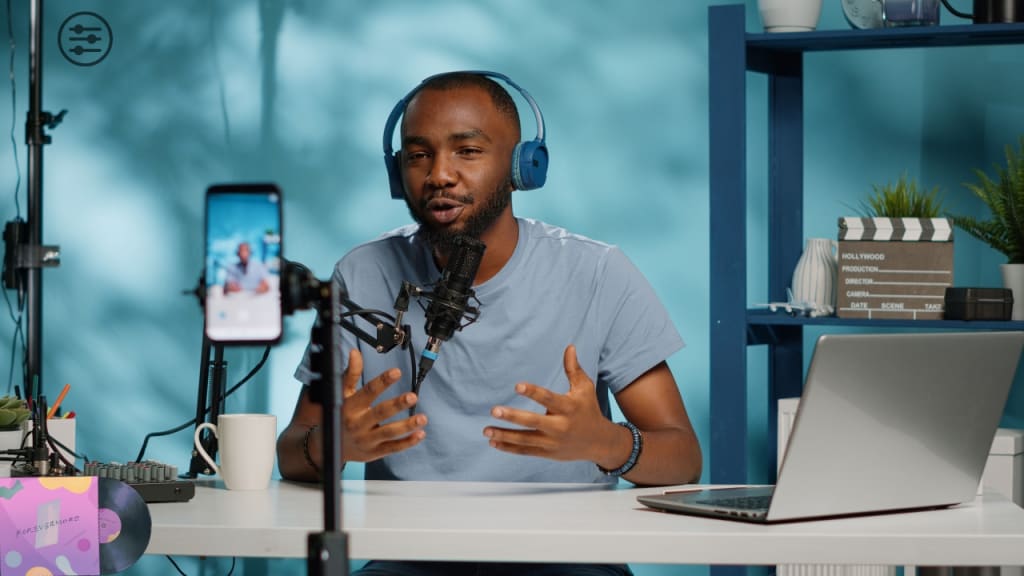
In today’s digital age, creating a strong personal brand is crucial for success in the music industry. With the rise of online platforms, musicians and artists now have unprecedented opportunities to showcase their talent, connect with audiences, and grow their careers. One of the most effective ways to build and amplify your personal brand is by creating a music channel. A well-crafted music channel serves as a hub for your content, a platform for engaging with fans, and a vehicle for expanding your reach. This step-by-step guide will walk you through the process of creating a music channel that reflects your brand and helps you stand out in a crowded market.
Step 1: Identify Your Niche and Target Audience
The first step in creating a successful music channel is to identify your niche. Your niche is the specific area of music that you are passionate about and that sets you apart from others. It could be a particular genre, a unique style of performance, or a specific type of content such as music tutorials, covers, or original compositions. Defining your niche will help you focus your content and attract the right audience.
Next, consider your target audience. Who are the people you want to reach with your music? Understanding your audience’s demographics, interests, and preferences will help you create content that resonates with them. This step is crucial because a well-defined target audience will inform your content strategy, branding, and promotional efforts.
Step 2: Choose the Right Platform
Choosing the right platform for your music channel is essential. While YouTube is the most popular platform for music channels, other options like Twitch, Instagram, and TikTok also offer unique opportunities for musicians. Each platform has its strengths and audience base, so it’s important to choose the one that aligns with your goals and content style.
YouTube is ideal for long-form content, such as music videos, vlogs, and tutorials. Twitch is great for live streaming performances and interacting with your audience in real-time. Instagram and TikTok, on the other hand, are perfect for short-form content and reaching a younger audience. You may choose to start with one platform and expand to others as your channel grows.
Step 3: Branding Essentials: Name, Logo, and Channel Art
Your music channel’s branding is the first impression you’ll make on potential viewers, so it’s important to get it right. Start by choosing a channel name that is memorable, easy to spell, and reflective of your brand. Your name should be consistent across all your online platforms to build recognition and trust.
Next, create a logo that visually represents your brand. Your logo will appear on your channel, social media profiles, and promotional materials, so it should be professional and versatile. If you’re not a graphic designer, consider hiring a professional to create a logo that captures the essence of your brand.
Channel art, such as banners and thumbnails, is another critical aspect of your branding. Your channel art should be visually appealing and consistent with your overall brand identity. Use colors, fonts, and imagery that reflect your music style and resonate with your audience. High-quality channel art can make your channel look polished and professional, encouraging viewers to subscribe.
Step 4: Content Strategy: Types of Videos to Create
Your content strategy is the heart of your music channel. The types of videos you create will determine how well you connect with your audience and how quickly your channel grows. Here are some content ideas to consider:
Music Videos: Share your original songs, cover performances, or music videos. High-quality music videos can help you showcase your talent and attract new fans.
Behind-the-Scenes: Give your audience a glimpse into your creative process, from songwriting to recording sessions. Behind-the-scenes content can humanize you as an artist and build a deeper connection with your audience.
Tutorials: Share your knowledge by creating tutorials on playing instruments, producing music, or singing techniques. Educational content can position you as an expert in your field and attract viewers who are eager to learn.
Live Performances: Stream live performances or share recordings of your gigs. Live content can create a sense of urgency and excitement, encouraging viewers to tune in and engage with you in real-time.
Vlogs: Document your journey as a musician, sharing your experiences, challenges, and successes. Vlogs can make your channel more personal and relatable, helping you build a loyal fanbase.
Consistency is key when it comes to content creation. Develop a content calendar to plan your videos in advance and ensure you post regularly. The more content you create, the more opportunities you’ll have to reach new viewers and keep your existing audience engaged.
Step 5: Equipment and Software for High-Quality Production
The quality of your videos can make or break your music channel. Investing in the right equipment and software will ensure that your content looks and sounds professional. Here’s what you’ll need:
Camera: A high-quality camera is essential for capturing clear, sharp video. While smartphones can work for beginners, investing in a DSLR or mirrorless camera will significantly improve your production quality.
Microphone: Audio quality is just as important as video quality, especially for a music channel. A good condenser microphone will capture your voice and instruments with clarity and richness.
Lighting: Proper lighting can make your videos look more professional and visually appealing. Invest in softbox lights or ring lights to ensure your shots are well-lit and free of harsh shadows.
Editing Software: Editing software allows you to polish your videos and add creative touches. Adobe Premiere Pro, Final Cut Pro, and DaVinci Resolve are popular choices for video editing. For audio, consider using software like Audacity or Logic Pro.
Take the time to learn how to use your equipment and software effectively. The better your production skills, the more polished your videos will be, which can help you stand out in a crowded market.
Conclusion
Creating a music channel is a powerful way to build your brand, connect with fans, and showcase your talent. By following these steps — identifying your niche, choosing the right platform, developing your brand, creating engaging content, investing in quality production, maintaining consistency, and promoting your channel — you can set yourself up for success in the competitive world of online music. Remember, building a successful music channel takes time and dedication, but with persistence and passion, you can achieve your goals and take your music career to new heights.
About the Creator
Music Industry Updates
Welcome to Music Industry Updates, your go-to hub for the latest happenings in the music world.
Stay tuned, stay informed, and stay inspired with Music Pulse – where every beat counts.
Keep reading
More stories from Music Industry Updates and writers in FYI and other communities.
How to Create a Concept Album: Telling a Story Through Music
A concept album is more than just a collection of songs—it's a cohesive work of art that tells a story or explores a specific theme across multiple tracks. This type of album has a long history in music, with legendary examples like Pink Floyd’s The Wall, The Beatles’ Sgt. Pepper's Lonely Hearts Club Band, and Kendrick Lamar’s good kid, m.A.A.d city standing out as milestones in the genre. For artists, creating a concept album offers a unique opportunity to dive deep into a narrative or theme, crafting a listening experience that is both immersive and impactful. This guide will walk you through the process of creating a concept album, from developing the initial idea to recording, arranging, and ultimately telling a compelling story through your music.
By Music Industry Updatesabout a year ago in FYI
A Failed Artist, A Disillusioned Poet, An Underpaid Game Show Host
I took my son and niece to Gori, a small town in Georgia where Joseph Stalin was born. They talked me into visiting the Stalin's Museum, the largest in the post-Soviet space. I had resisted going there because I just can't stand the monster and know enough about him, or so I thought.
By Lana V Lynx18 days ago in FYI
Mystical Manifestation Mantra in Search of Soul Mates and Twin Flames
Love is one of the most profound human desires. Many seek a soul mate, a companion who resonates deeply with their heart and soul, while others are drawn to a twin flame, a unique spiritual counterpart whose energy mirrors their own. These connections are not merely random—they require conscious alignment of the mind, heart, and universe. Mystical manifestation mantras have emerged as powerful tools for attracting these deep, transformative connections into one’s life.
By Zahid Hussainabout 2 hours ago in FYI


Comments (1)
Thanks for sharing