
The Queen of Fruits: Mangosteen’s Global Rise
How a Tropical Delicacy Became a Worldwide Sensation

Introduction: A Rising Star in Exotic Fruits
Mangosteen, often called the "Queen of Fruits," is taking the global market by storm. Known for its unique sweet and tangy flavor, this tropical fruit has become a social media sensation and a premium delicacy worldwide. Its journey from Southeast Asian farms to international markets highlights its growing appeal, fueled by rising consumer interest and evolving farming practices.
The Allure of Mangosteen: A Flavor Like No Other
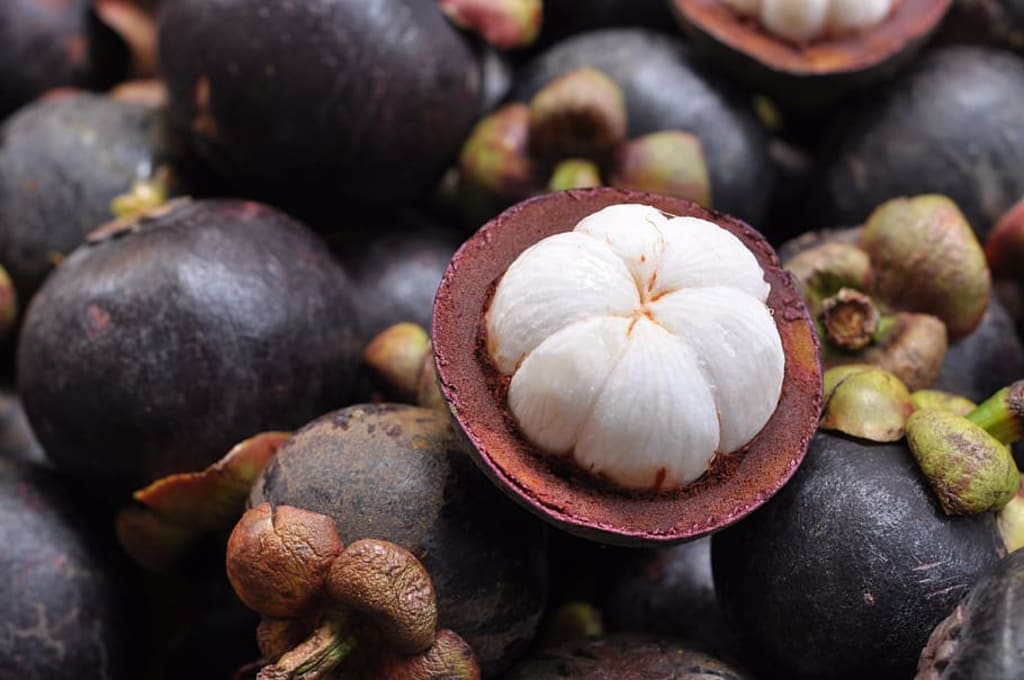
Described as a symphony of lychee, peach, and strawberry, Mangosteen is a taste experience like no other. Some say its flavor is beyond words—“an emotion” best understood by eating it. This exotic profile, coupled with its striking appearance—a deep purple rind encasing a bright white flesh—has made Mangosteen a favorite for adventurous foodies and high-end markets alike.
The Global Journey: From Farms to Fancy
Mangosteen is primarily cultivated in tropical regions of Southeast Asia, with India emerging as a leading producer. In 2022, India sold the fruit locally for about $4 per kilogram. However, by the time it reaches the U.S., a single fruit can cost up to $6 due to export challenges.
The U.S. market only recently opened its doors to Mangosteen. A decades-long ban, lifted in 2007, had restricted imports due to fears of agricultural pests. Despite the ban, demand for the fruit persisted, with contraband Mangosteens selling for as much as $120 per kilogram in New York City during the early 2000s.
Farming Challenges: A Delicate Investment
Mangosteen farming is not for the impatient. Trees take up to 10 years to bear fruit and thrive only in warm, humid climates with slightly acidic soil. The fruit's short shelf life adds another layer of complexity. Fallen or overripe Mangosteens quickly lose their signature flavor, rendering them unsellable.
To meet surging demand, farmers in India and Southeast Asia are making bold changes, cutting down other crops like coconuts to dedicate land to Mangosteen cultivation. Nurseries report that even saplings are flying off the shelves as more growers invest in this lucrative crop.
The Cost of Luxury: Why Mangosteen is So Expensive
Mangosteen's premium price stems from several factors:
Long Growth Cycle: Trees take a decade to mature.
Harvesting Techniques: Skilled pickers must carefully climb 40-foot trees to select ripe fruits.
Transportation: Mangosteens are fragile, requiring careful handling and expedited shipping.
Irradiation Costs: To meet export standards, fruits must undergo ionizing radiation to eliminate pests.
Despite these challenges, global demand continues to rise. In the U.S., Mangosteens are considered a luxury, with 57% of fruit consumers expressing interest in exotic varieties.
Economic Impact: A Fruitful Business
For farmers, Mangosteen has become a symbol of prosperity. A single tree can yield fruits worth up to $10,000 annually. In India, farmers like Merlin Madon have transformed their family farms into thriving businesses. Starting with just 80 trees, his farm now boasts over 1,000.
The global Mangosteen market is projected to grow at a steady 3.6% annually, reaching $658 million by 2030. For many, this fruit represents not just a taste of luxury but also a pathway to economic success.
Conclusion: The Future of Mangosteen
As global interest in Mangosteen continues to grow, this once-hidden gem is stepping into the spotlight. Farmers, vendors, and consumers alike are embracing its potential, ensuring that the “Queen of Fruits” remains a reigning favorite for years to come.
About the Creator
Keep reading
More stories from Anu Preethi Danila D and writers in FYI and other communities.
Preserving Tradition: Crafting India's Black Salt, Kala Namak
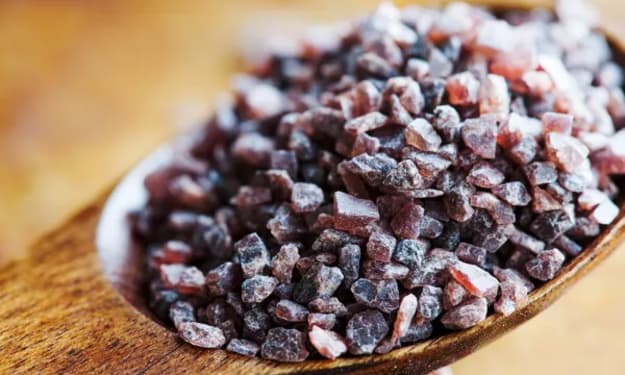
In the heart of Lakau, India, a centuries-old craft persists against the tides of time. Meet Kala Namak, commonly known as black salt, a staple in South Asian cuisine and a culinary treasure with a history rooted in medicinal use. However, the traditional process of making this unique salt is not without its challenges, pushing one of the last factories, Chak, to the brink of closure.
By Anu Preethi Danila D2 years ago in FYI
A Failed Artist, A Disillusioned Poet, An Underpaid Game Show Host
I took my son and niece to Gori, a small town in Georgia where Joseph Stalin was born. They talked me into visiting the Stalin's Museum, the largest in the post-Soviet space. I had resisted going there because I just can't stand the monster and know enough about him, or so I thought.
By Lana V Lynx18 days ago in FYI
Does AI give employees more autonomy—or more surveillance?
AI is often introduced into organizations with a promise of empowerment. Leaders talk about faster decisions, smarter tools, reduced manual effort, and employees finally being able to focus on higher-value work. In theory, AI is positioned as a force that frees people from busywork and gives them more control over how they do their jobs.
By Vipul Guptaa day ago in FYI
The Path to Salvation
The late autumn evening air filled the monk's lungs, but it wasn't the season that chilled his bones. The heavy-handed presence of evil he had sensed upon entering the woods surrounding this mountain village had not bothered to conceal itself from him.
By Made in DNA2 days ago in Fiction



Comments
There are no comments for this story
Be the first to respond and start the conversation.