
The process by which the water you use to flush the toilet transforms into the water you consume
Learn how the water we flsuh turns into the water we consume
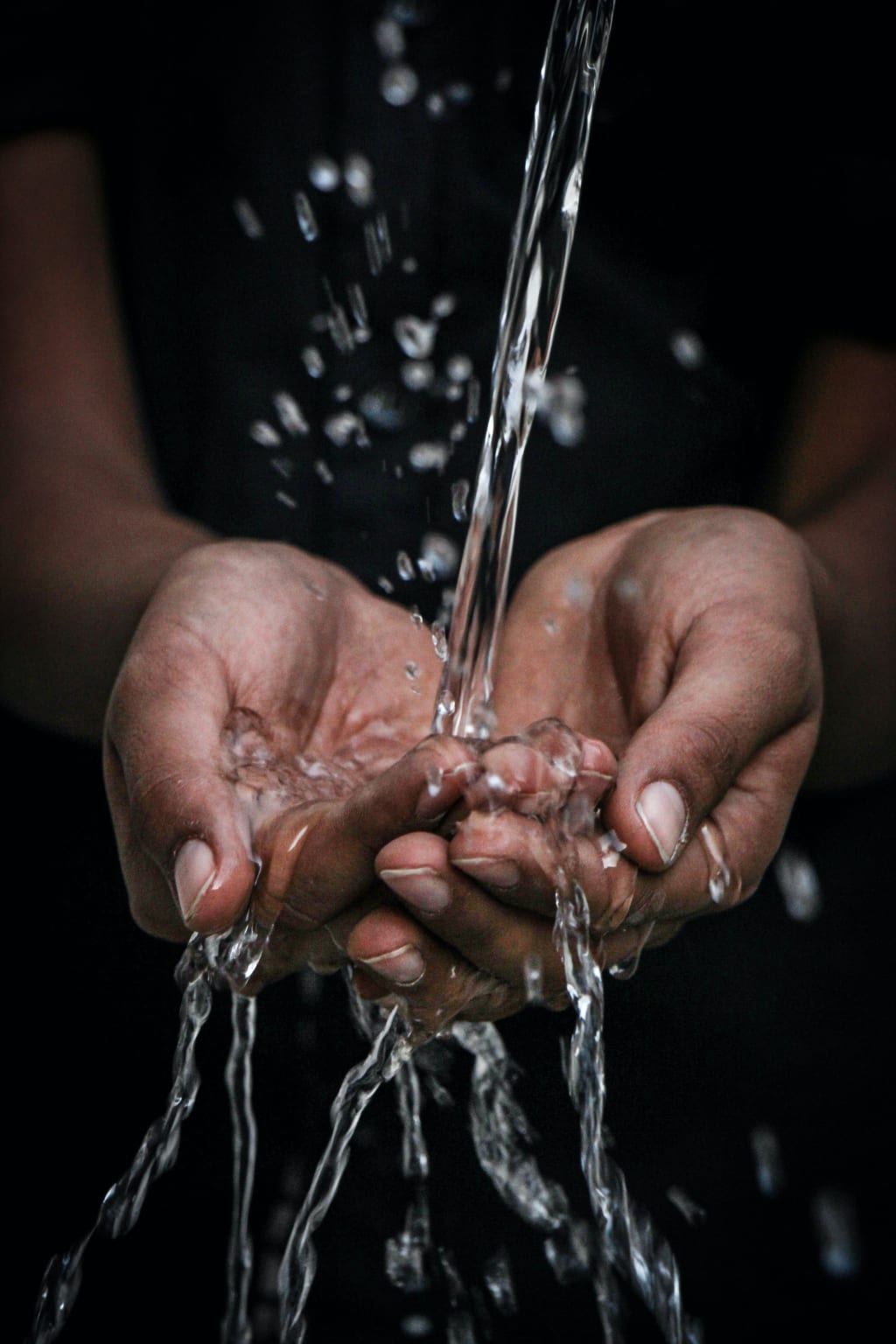
In 2003, Singapore's national water agency initiated an unprecedented initiative. Through the establishment of two innovative facilities, they aimed to supply over 50% of the country's water by treating and reusing wastewater. Despite the apparent urgency of this decision, the program had been carefully planned for decades to ensure a continuous supply of clean water for the island nation. As the impacts of climate change lead to more frequent and prolonged droughts worldwide, numerous regions are now confronting similar challenges. However, the question arises: is it truly safe to recycle the substances we flush down the toilet? To address this, we must delve into the composition of this mixed liquid.
Wastewater is categorized into various types, with the primary ones being: gray water from sinks, baths, and laundry; yellow water containing urine; and black water, which has been in contact with feces. On a global scale, we generate enough wastewater on a daily basis to fill approximately 400,000 Olympic-sized swimming pools. In urban areas with sewage systems, wastewater combines within underground pipes, which are not predominantly filled with fecal matter. In fact, out of the average 4,000 liters of sewage, only about a liter contains solid fecal material. Nevertheless, sewage remains laden with hazardous contaminants, including billions of pathogens, microorganisms, trace chemicals, and excessive inorganic nutrients that can contaminate rivers and lakes. Even if the intention isn't to drink this mixture, it still requires purification. This is why sewage systems are connected to wastewater treatment plants.
Most treatment plants eliminate major pollutants like feces, pathogens, and excess nitrogen from the processed water. Achieving this involves a range of biological, chemical, and physical interventions. Crucial steps encompass settling tanks for removing larger particles, biological reaction tanks where microbes degrade undesirable substances, and chemical disinfection processes targeting pathogens. Following these processes, treated wastewater in the US is already cleaner than the majority of natural bodies of water, permitting its discharge into rivers and lakes. If the aim is to reuse the water for non-potable purposes, such as irrigation or vehicle washing, additional disinfection ensures the prevention of bacterial growth during storage.
However, if the goal is to make the water safe for drinking, more rigorous treatment is required. A common approach involves microfiltration, where membranes with minuscule pores filter out small particles and larger microorganisms. Subsequently, the water passes through an even finer reverse osmosis membrane, capable of removing particles as tiny as a fraction of a billionth of a meter. This semi-permeable membrane allows water to pass while blocking substances like salt, viruses, or undesired chemicals. UV lamps are then introduced to emit radiation that irreversibly damages the genetic material of any remaining microorganisms. Sometimes, UV disinfection is coupled with further chemical disinfection employing agents like hydrogen peroxide to combat a wide array of microorganisms and micropollutants.
At this stage, the treated wastewater undergoes rigorous testing. If it meets the required standards, it can be safely introduced into the regular drinking water pipeline, undergoing standard treatment processes before entering the municipal supply. This method is referred to as direct potable reuse. Despite its safety, there are still concerns with such a direct approach. Consequently, many places opt for indirect potable reuse, where treated wastewater is released into an environmental buffer like a reservoir, lake, wetland, or groundwater aquifer. Over time, any residual chemicals from the treatment process disperse and break down. Subsequently, the water can be extracted and introduced into the drinking water pipeline. Indirect potable reuse is the system employed in Singapore and is increasingly adopted in arid regions of the US. However, this approach is feasible only in areas with centralized sewer systems and the necessary infrastructure for distributing water to homes. Consequently, it cannot address the most pressing sanitation challenges faced by communities where access to clean water is an everyday struggle. Researchers are exploring smaller-scale technologies for on-site sewage recycling into potable water. Yet, to truly assist these communities in the long run, a comprehensive reevaluation of water wastage is essential.
About the Creator
Keep reading
More stories from petko wasilew and writers in FYI and other communities.
How to trick your brain to enjoy difficult things
You likely don't encounter much difficulties when it comes to playing video games or browsing social media on your phone. I'm confident that you can easily spend hours engrossed in these activities without losing focus. Yet, when confronted with the prospect of studying for half an hour or dedicating an hour to your side business, you might find it quite challenging. The allure of watching TV, playing games, and scrolling through social media still prevails, despite your understanding that engaging in activities like studying, exercising, or building a business would ultimately yield more significant benefits in the long run. This phenomenon raises an interesting question: Why are certain individuals more inclined to tackle challenging tasks? Moreover, is there a way to transform demanding tasks into more manageable endeavors? To answer these questions, we need to examine a crucial brain neurotransmitter: Dopamine.
By petko wasilew2 years ago in Education
A Failed Artist, A Disillusioned Poet, An Underpaid Game Show Host
I took my son and niece to Gori, a small town in Georgia where Joseph Stalin was born. They talked me into visiting the Stalin's Museum, the largest in the post-Soviet space. I had resisted going there because I just can't stand the monster and know enough about him, or so I thought.
By Lana V Lynx25 days ago in FYI
Why Aircraft Components Are Overbuilt on Purpose
When we look at an aircraft, it’s easy to be impressed by its size or complexity but what many people don’t realize is that every part of an aircraft is engineered to be stronger and more reliable than it ever strictly needs to be. In aviation, nothing is left to chance. What may seem like “overbuilding” to the untrained eye is actually a deliberate, essential aspect of engineering that keeps passengers safe thousands of times a day.
By Beckett Dowhan2 days ago in FYI




Comments
There are no comments for this story
Be the first to respond and start the conversation.