
The Nazca Lines: Ancient Geoglyphs with an Unknown Purpose
Mysteries in the Desert: Decoding the Enigma of Peru's Nazca Lines

In the vast arid plains of southern Peru, a colossal enigma etched into the earth has baffled and intrigued researchers for nearly a century. The Nazca Lines, an intricate network of geoglyphs that stretch across the Nazca Desert, remain one of the most captivating mysteries of the ancient world. These massive and intricate designs, best seen from the air, defy easy explanation, raising questions about their purpose, creation, and the civilization that left them behind.
Aerial Wonders in the Desert
The Nazca Lines consist of a series of enormous designs, etched into the earth, covering approximately 500 square kilometers of the Nazca Desert. These designs are best viewed from above, and some of them stretch for hundreds of meters. They take the form of animals, plants, geometric shapes, and human figures, creating a breathtaking and bewildering panorama when observed from the air.
Ancient Origins
The lines are believed to have been created by the Nazca culture, a pre-Inca civilization that thrived in the region between 100 BCE and 800 CE. This civilization, which inhabited the arid coastal plains of southern Peru, is credited with crafting the lines through a meticulous process of removing reddish-brown iron oxide-coated pebbles that cover the surface of the Nazca Desert. By exposing the lighter-colored earth beneath, they etched the lines into the landscape.
Mysterious Motifs
The motifs etched into the desert floor are nothing short of extraordinary. They include depictions of animals such as hummingbirds, monkeys, and spiders, as well as geometric designs like trapezoids, spirals, and straight lines. Some of the most famous geoglyphs include the Nazca Spider, the Nazca Condor, and the Nazca Hummingbird, each of which is meticulously detailed and spans hundreds of feet.
The purpose of these geoglyphs, however, remains a subject of intense speculation and debate.
Theories and Speculations
The Nazca Lines have given rise to various theories and speculations about their purpose and the methods used to create them. Some of the leading hypotheses include:
1. Astronomical and Celestial Calendars
One theory suggests that the Nazca Lines were created to serve as enormous calendars, used by the Nazca culture to track celestial events such as solstices, equinoxes, and other astronomical phenomena. The precision of the lines' orientation and placement supports this theory.
2. Irrigation and Water Management
Another hypothesis proposes that the Nazca Lines were part of a complex system for managing water resources. Some believe that the geoglyphs pointed to underground sources of water or served as markers for the location of underground canals, allowing the Nazca people to harness water for their agricultural needs.
3. Religious and Ceremonial Purposes
Many researchers argue that the Nazca Lines held deep religious and ceremonial significance. The figures and shapes could have been created as offerings to the gods or as part of rituals that involved processions along the lines.
4. Giant Spirit Level
An unconventional theory suggests that the Nazca Lines served as a massive spirit level, ensuring the flatness of the land for ceremonial purposes. This idea is based on the precise alignment and leveling of the geoglyphs.
5. Artistic Expression
Some believe the Nazca Lines were purely an artistic endeavor—a form of creative expression for the Nazca people. This theory is supported by the intricate and aesthetically pleasing designs of the geoglyphs.
The Mystery of Execution
While the theories surrounding the purpose of the Nazca Lines are compelling, the means by which the Nazca people created them remain equally mysterious. The intricate and enormous designs were crafted with an astonishing level of accuracy, despite the Nazca culture's lack of advanced technology.
Some believe that the Nazca people used simple tools, such as sticks and strings, to lay out the lines. They would have created the designs through careful planning and measurement, aligning them with the positions of the sun, moon, and stars. The removal of the iron oxide-coated pebbles would have revealed the contrasting lighter earth beneath, highlighting the designs.
Preservation Challenges
The Nazca Lines, while remaining a cultural and historical treasure, face significant preservation challenges. The region's arid climate has helped protect the geoglyphs for centuries, but the lines are not invulnerable. The rise in tourism, foot traffic, and even illegal land invasions pose a risk to the preservation of these ancient wonders.
Efforts have been made to protect the lines, with designated viewing platforms and restricted access to the geoglyphs. Nonetheless, balancing the need for preservation with the desire to share these wonders with the world remains a delicate challenge.
Conclusion: Unsolved Mysteries in the Desert
The Nazca Lines continue to captivate the imagination and curiosity of those who encounter them. These ancient geoglyphs are a testament to human ingenuity and creativity, as well as the enduring appeal of enigmas left behind by long-lost civilizations.
As the debates surrounding the purpose and creation of the Nazca Lines persist, they serve as a reminder of the profound mysteries that still exist in the world, challenging our understanding of the past and inviting us to explore the secrets etched into the very fabric of our planet. The lines remain a testament to the boundless wonders and questions that continue to beckon from the remote corners of history.
About the Creator
Keep reading
More stories from ramses vd werf and writers in FYI and other communities.
The Mysterious Death of the Princess in the Tower
The Tower of London, a fortress that has witnessed centuries of British history, holds within its stony walls a dark and enduring secret: the mystery of the Princes in the Tower. The tragic and unresolved fate of Edward V and Richard of Shrewsbury, two young royal brothers who vanished without a trace in the summer of 1483, has fueled speculation, debate, and conspiracy theories for generations. The story of the Princes in the Tower remains one of the most chilling and enduring enigmas in British history.
By ramses vd werf2 years ago in FYI
A Failed Artist, A Disillusioned Poet, An Underpaid Game Show Host
I took my son and niece to Gori, a small town in Georgia where Joseph Stalin was born. They talked me into visiting the Stalin's Museum, the largest in the post-Soviet space. I had resisted going there because I just can't stand the monster and know enough about him, or so I thought.
By Lana V Lynx22 days ago in FYI
Is There a Hidden Ocean Inside the Earth, and Are We Running Out of Time?
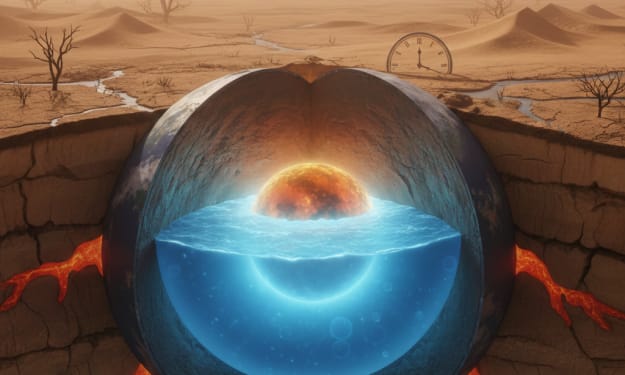
If you think you understand what’s beneath your feet, science might want a word with you, because recent research suggests our planet may be hiding something massive. And no, this isn’t sci-fi. It’s grounded in real discoveries, strange footage, and unsettling predictions about where humanity is headed.
By Areeba Umair3 days ago in FYI



Comments
There are no comments for this story
Be the first to respond and start the conversation.