
The Mighty Stem Cell Part 1
Science, Voodoo, or Magic?


The MIGHTY Stem Cell: What exactly are stem cells and how do they function? What medical uses are theorized, currently in research trials, and which are a reality at present? There are few medical advances that aren't morally and ethically challenged at some point of the approval process. Stem cells are no exception. Can it cure cancer? Will it make the paralyzed walk? Can it grow a human being from a single stem cell? Understanding stem cells takes a bit of science, ethics, and bit of hope in the future.
The mighty stem cell is not an exaggeration. Stem cells are akin to having the following at work, continuously, in your body: A carpenter, a mechanic, an army, a hydroelectric dam, to name a few. The properties of stem cells that set them apart from other types of cells are: self-replicating (they can divide indefinitely) and they can become any cell in the body. Let's take a look at the different terms used and a peak at answering the questions burning in our minds...
Embryonic stem cells are the cells that first form in a living being during the time before uterine attachment. These cells are "immortal" in that when grown in laboratory conditions, embryonic stem cells exhibited an unchanged ability to differentiate into all 3 functional cells of the body: endoderm, exoderm, and mesoderm! Meaning that the embryonic stem cell can become any cell in the skin layers, internal organs, and blood supply. These cells are called totipotent cells because of this ability to become any cell. This is the single most controversial section of stem cells and the research associated with them. The source of these cells is the discarded embryo cells from human in vitro fertilization treatments. In some countries it is not legal to use these cells but in others, it is allowed.
Pluripotent stem cells are virtually identical to totipotent stem cells in that they can differentiate into the 3 functional cell categories with the exception of placental cells. The term induced pluripotent stem cells refers to those cells that have been given specific stimulus, in a laboratory environment, to become a specific cell type. Induced pluripotent cells originate from either skin cells or blood cells and are treated to return to the pluripotent state. When this is achieved, then the cells can be reprogrammed to any cell type needed.
Somatic (Adult) stem cells stand at the ready to repair or replace any needed cell such as blood. There are several types of cells that belong to the "adult" category. Multipotent stem cells are slower to multiply and generally stay in an area of expertise, so to speak. They are usually found in clusters that are "ready" to become the nearby cells of an organ or tissue such as the liver. Multipotent cells are harvested from several areas now including muscle, adipose tissue (fat), blood, bone marrow, and umbilical cord blood. The MSC or mesenchymal stromal cell is the term used for aiding in the repair of bone, tendon, and muscle injuries in animals (horses and dogs are the main species). Hematopoietic stem cells live in the bone marrow and stay there until needed. They are specifically preprogrammed for different blood cells for a faster replacement rate. Neural stem cells are responsible for creating the entire nervous system and a very small number are quiescent in the body in case of injury.
Autologous stem cells come from and go back into a single body. In other words, you are your own donor. This type of harvest is easiest medically as there is no chance of rejection. This type of cell is used to assist the body in a localized area by concentrating the body's own stem cells to a specific area where they will, hopefully, become the types of cells needed to repair the defect. These cells are usually used for cartilage, tendons, bone, ligaments, and muscle damage. These are also the areas where medicine started research and has transferred the findings into treatments for arthritis, tears, and a host of other infirmities still in varying stages of research.
Allogeneic stem cells means a similar donor in the same species has stem cells harvested to transplant into another host. The most commonly known transplant of this type is a bone marrow transplant. The donor is giving healthy cells to a compromised host in hopes that the new stem cells can correct the "sick" cells of the body. There is speculation from the scientific community that a stem cell (mammalian) is a stem cell and as such, can be used in any host without concern for rejection. This is one of those ethical dilemmas surrounding stem cell use. How would this be tested ethically to determine if the theory is correct? If we can use stem cells from another species, is it ethical to then "use" that species to make a better life for human beings? These are just some of the dilemmas surrounding using stem cells in human medicine.
Currently, stem cells are used in human medicine for arthritis and tendon issues. Fat is taken from the person receiving treatment and then it is processed to take the stem cells out or to concentrate them (this will be a future article), then they are injected back into the area needing treatment. Depending on the country, rules about stem cell use vary greatly, but that is another story in and of itself. There are research trials ongoing to determine if stem cells can repair spinal cord damage, brain damage, and a plethora of other diseases and maladies, however, most countries severely limit who may receive "experimental" treatments with stem cells.
Cancer is a huge area of stem cell research. The idea is to send in pre programed cells to either kill or replace the cancer cells without damaging the healthy cells. There are ethical considerations here as donor cells are used to ensure no cancer particles can be enhanced with host stem cell manipulation. Growing a human from a single cell is still science fiction, but in theory it is possible. Again, ethics play a huge part in progressing toward this area of science. In theory, a stem cell from any mammal can become any cell in any other mammal. Ethics again plays a part because the donor could be a different species and who is to say that using another species to make ours more comfortable is ethical?
Hopefully you now have a better understanding of stem cells and the possibilities for treating diseases and maladies we currently cannot treat well. Tackling the many facets of stem cells can be a fun way to read in little bits at a time. To enlighten you to the possibilities and alert you to the pitfalls. Stay tuned for the next installment of The Mighty Stem Cell!
About the Creator
Lady Karina Benish
An American lass living in Scotland. I'm a regular competitor in the Highland Games who has met, shaken the hand of, and conversed with Prince Charles! My passion includes singing all over Scotland, a keen artist actor, poet, and writer.
Keep reading
More stories from Lady Karina Benish and writers in FYI and other communities.
As Winter Wanes, Renewal Begins With...
Winter is a time for slowing down, resting, and renewal of the entire being. A time to take a break from the stresses, hurry, and worry of life. If you live in a large metropolitan area, you may not reap the benefits of the longer darkness winter brings. If you work long hours then the rest and renewal of winter may not be yours to experience. There are activities around the house that will help you settle in and gain a bit of extra time for yourself though. This year can be the start of a seasonal regimen that will enable you to experience more of the natural flow of life despite a full work schedule.
By Lady Karina Benish5 years ago in Lifehack
A Planetary Alignment will coincide with Mercury Retrograde
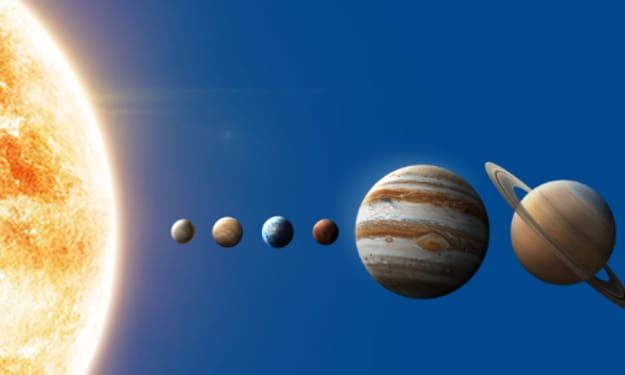
Double phenomena in the heavens Some people say in jest that the planets have aligned in their favor when life works the way they desire. Were you aware that there are seasons when things do line up in the heavens? There will be a planetary alignment AKA a planet parade, on February 28, 2026.
By Cheryl E Preston14 days ago in FYI
Guide to MIL-SPEC Military Specification vs. Commercial Grade Aviation & NSN Parts
In the rapidly evolving landscape of 2026, the distinction between military and commercial aviation components has become a cornerstone of aerospace procurement. For procurement officers and maintenance engineers, the choice between Military Specifications (MIL-SPEC) and commercial-grade parts is rarely about quality alone; it is about the specific environmental stressors and operational envelopes the aircraft must endure. While both standards aim for flight safety, MIL-SPEC represents a rigorous framework designed by the Department of Defense to ensure survival in the most hostile conditions imaginable. Conversely, commercial-grade parts focus on efficiency, lifecycle cost, and safety within the predictable patterns of civil aviation.
By Beckett Dowhan7 days ago in FYI
Guard Your Battery
Why are some people so attractive just by standing there? It’s not because they are "likable," but because they don’t need everyone to like them. I realized later that truly charismatic people allow themselves to be criticized, but they never criticize themselves. They never try to please the world; instead, the world stops to watch them.
By Emily Chan - Life and love sharing7 days ago in Poets



Comments
There are no comments for this story
Be the first to respond and start the conversation.