
The Importance of Commercial Refrigeration Maintenance
Refrigerator Repair Service
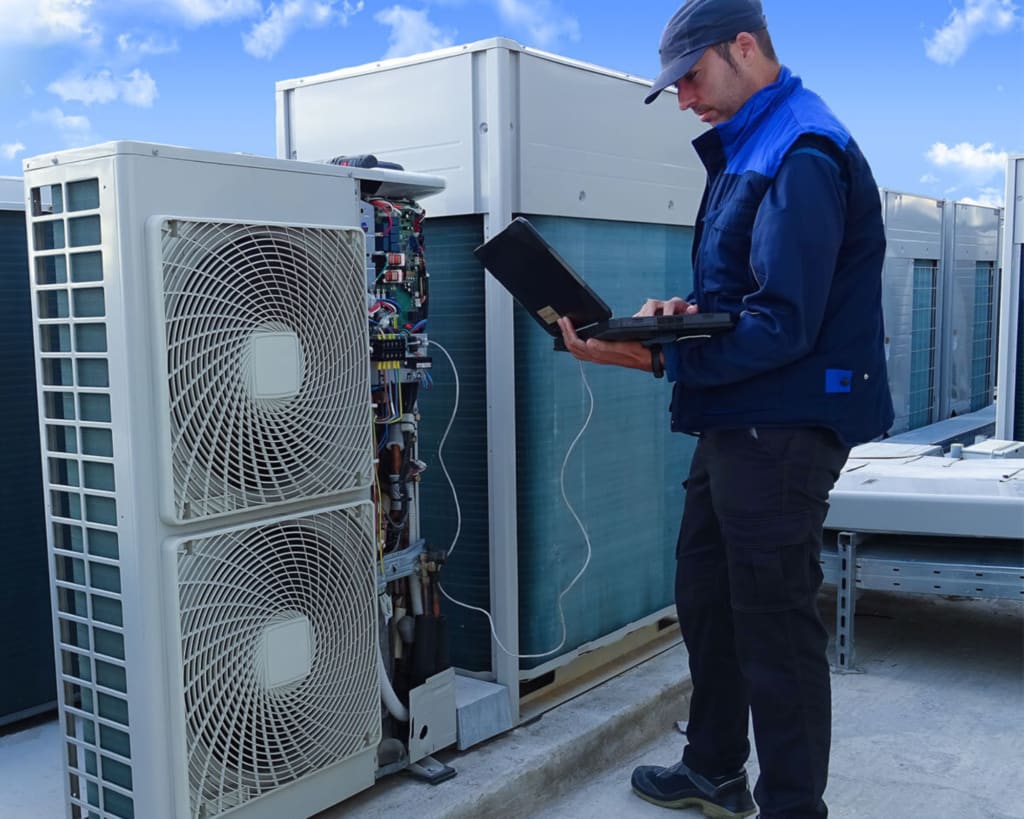
In the world of food service and hospitality, commercial refrigeration systems play a crucial role in ensuring the safety and quality of food products. Regular maintenance of these systems is not just a good practice; it’s essential for the longevity of the equipment, the safety of the food, and ultimately, the success of the business. This post explores the key aspects of commercial refrigeration maintenance, including its benefits, best practices, and common issues to watch for.
Understanding Commercial Refrigeration Systems
Commercial refrigeration encompasses a range of equipment used to store, preserve, and display food and beverages. This includes walk-in coolers, display cases, ice machines, and more. Each type of system operates under specific conditions, but they all share a common goal: to maintain optimal temperatures for food safety and quality.
Why Regular Maintenance is Crucial
Food Safety: The primary reason for maintaining refrigeration systems is food safety. Equipment that is not functioning correctly can lead to temperature fluctuations, which can cause food spoilage and increase the risk of foodborne illnesses. Regular maintenance ensures that temperatures remain stable and within safe limits.
Energy Efficiency: Well-maintained refrigeration units operate more efficiently, consuming less energy. Dirty coils, worn-out seals, and malfunctioning components can lead to increased energy costs. Regular maintenance helps to identify and rectify these issues before they escalate.
Equipment Longevity: Like any mechanical system, refrigeration units require regular upkeep to prolong their lifespan. Components such as compressors, evaporators, and condensers can wear out over time, but routine maintenance can help detect problems early, preventing costly replacements.
Compliance with Regulations: The food industry is heavily regulated, and maintaining proper refrigeration standards is a key aspect of compliance. Regular maintenance ensures that systems meet health and safety regulations, which can help avoid fines and ensure customer safety.
Reduced Repair Costs: Preventive maintenance can save businesses money in the long run. Identifying and fixing small problems before they become major repairs can significantly reduce costs associated with emergency repairs or equipment replacement.
Best Practices for Commercial Refrigeration Maintenance
To ensure optimal performance and longevity of commercial refrigeration systems, here are some best practices to follow:
1. Schedule Regular Inspections
Establish a routine maintenance schedule with a qualified technician. Regular inspections can help identify potential issues before they become critical problems. Depending on the usage and type of equipment, inspections should be done at least twice a year.
2. Clean the Coils
Dirty condenser coils can significantly reduce the efficiency of refrigeration systems. Dust, dirt, and grease can build up on coils, causing the system to work harder to maintain temperatures. Regularly cleaning the coils will improve efficiency and prolong the life of the unit.
3. Check Door Seals
The seals around refrigerator doors are critical for maintaining temperature. Damaged or worn-out seals can lead to cold air escaping, forcing the system to work overtime. Regularly inspect door seals and replace them if necessary to ensure a tight seal.
4. Monitor Temperature Levels
Install temperature monitoring devices to keep track of the internal temperatures of refrigeration units. This allows for quick identification of any fluctuations that could indicate a problem, enabling timely intervention.
5. Test Alarms and Safety Features
Many commercial refrigeration units come equipped with alarms and safety features designed to alert users to potential issues. Regularly test these alarms to ensure they are functioning correctly and will alert staff to any temperature fluctuations or system failures.
6. Keep the Area Around Units Clean
Ensure that the areas around refrigeration units are free from debris and clutter. This not only prevents potential fire hazards but also allows for proper airflow around the equipment, which is vital for efficient operation.
7. Maintain Proper Airflow
Check that vents and airflow areas are not blocked. Proper airflow is essential for the efficient operation of refrigeration units. Obstructed airflow can lead to overheating and increased energy consumption.
8. Educate Staff
Ensure that all staff members are trained on the importance of refrigeration maintenance and what they can do to assist. This includes being vigilant about temperature monitoring, reporting unusual noises or odors, and keeping the area around refrigeration units clean.
Common Issues in Commercial Refrigeration
Even with regular refrigerator repair service maintenance, issues can still arise. Here are some common problems to be aware of:
1. Temperature Fluctuations
If the internal temperature of a refrigeration unit is not stable, it could indicate a problem with the thermostat, compressor, or door seals. Monitoring and addressing these issues promptly is essential.
2. Excessive Noise
Unusual noises coming from a refrigeration unit can signal issues with the compressor, fan, or other mechanical components. Ignoring these sounds can lead to more significant problems down the line.
3. Ice Buildup
Ice buildup on evaporator coils can restrict airflow and reduce efficiency. This can be caused by a malfunctioning defrost system or inadequate airflow. Regular maintenance should include checking for and addressing ice buildup.
4. Water Leaks
Leaks can result from blocked drainage systems or damaged components. Any signs of leaking should be addressed immediately to prevent damage to the surrounding area and ensure proper functioning.
5. Odors
Unpleasant smells can indicate spoiled food, mold, or mildew. Regular cleaning and inspections can help prevent and address these issues.
Conclusion
Commercial refrigeration maintenance is essential for any business involved in food storage and service. By implementing a proactive maintenance plan, businesses can ensure food safety, improve energy efficiency, and extend the lifespan of their equipment. Regular inspections, cleaning, and employee training are vital components of an effective maintenance strategy. Investing in maintenance not only safeguards food quality and safety but also protects the bottom line, making it a worthwhile endeavor for any food service operation.
About the Creator
Keep reading
More stories from writers in FYI and other communities.
A Failed Artist, A Disillusioned Poet, An Underpaid Game Show Host
I took my son and niece to Gori, a small town in Georgia where Joseph Stalin was born. They talked me into visiting the Stalin's Museum, the largest in the post-Soviet space. I had resisted going there because I just can't stand the monster and know enough about him, or so I thought.
By Lana V Lynx30 days ago in FYI
Why Some Sports Never Globalize
Not all sports are meant for the world—or, more precisely, not all sports survive the journey. While football, basketball, and cricket have crossed borders and embedded themselves into multiple cultures, many other sports remain stubbornly local. They thrive intensely in specific regions yet fail to translate beyond them, despite media exposure, professionalization, or institutional effort. This uneven globalization is not accidental. It reflects deep structural, cultural, and economic constraints that shape how sports travel—or don’t.
By Gus Woltmanna day ago in FYI
Trouble at the Tea Leafing Café
The rain had started right around the time that Annie was buttering her second thick slice of homemade toast for breakfast, and hadn’t paused since. Not that anyone could tell. The windows of the café were fogged over, and with every seat filled with happy customers munching on fresh baked pastries or steaming bowls of the delicious soup of the day, it was hardly surprising. Annie looked around the room, finally taking a moment to breathe after the lunch time rush. Her old life already felt like a bad memory, a part of her history, always, but just that. History.
By Hannah Moore5 days ago in Fiction




Comments
There are no comments for this story
Be the first to respond and start the conversation.