
The 2023 Women's World Cup
A Catalyst for Women's Empowerment in Global Sports


The upcoming 2023 Women's World Cup is much more than a mere sporting event. It represents a significant milestone in the ongoing journey towards gender equality in sports and society at large. This elaborate discussion will delve into the multifaceted impact of the tournament, examining how it serves as a powerful catalyst for women's empowerment on a global scale. With an emphasis on the tournament's significance, key players, societal impact, and legacy, we will explore how the Women's World Cup is poised to break new ground and inspire change.
The Significance of the 2023 Women's World Cup
Historical Context: Women's football has come a long way since its inception in the late 19th century. The Women's World Cup serves as a testament to the remarkable progress made in the women's game over the decades. With each tournament, the world witnesses an exponential rise in the skill level, athleticism, and global appeal of women's football.
Global Stage: The Women's World Cup is a premier global sporting event that transcends geographical boundaries. It unites nations, cultures, and people from all walks of life, emphasizing the universality of sports.
Inspiring Athletes: The tournament showcases the extraordinary talents of female footballers. It provides a platform for these athletes to inspire millions worldwide, breaking down gender barriers and challenging stereotypes about women in sports.
Key Players in the 2023 Women's World Cup
Talented Athletes: The Women's World Cup brings together some of the world's most exceptional female footballers, each a role model in their own right. Players like Megan Rapinoe, Marta, and Ada Hegerberg have become global icons, advocating for gender equality and social justice.
Organizing Committees: The success of the Women's World Cup relies heavily on the commitment and efforts of organizing committees. These entities are responsible for ensuring that the tournament is executed smoothly, safely, and inclusively.
Supporters and Fans: The enthusiasm and support from fans play a pivotal role in making the Women's World Cup a global spectacle. Their passion and dedication contribute significantly to the success of the tournament.
Societal Impact: Advancing Gender Equality
Equal Pay and Recognition: The issue of gender pay disparity in sports has gained considerable attention in recent years. The Women's World Cup has become a focal point for discussions on equal pay and recognition, encouraging action and change.
Changing Perceptions: The tournament challenges traditional gender norms and stereotypes in sports. It showcases the strength, skill, and determination of female athletes, shattering misconceptions about women's capabilities in competitive sports.
Media Influence: Media coverage plays a vital role in promoting women's football and advancing gender equality. The increased visibility of the Women's World Cup in mainstream media helps challenge societal norms and fosters inclusivity.
Legacy and Long-term Impact
Inspiring Future Generations: The Women's World Cup inspires countless young girls to pursue their dreams in sports. When they see their heroes on the field, they are encouraged to believe in themselves and their abilities.
Social and Cultural Change: The tournament has the potential to create lasting social and cultural change by challenging biases and fostering inclusivity. It serves as a catalyst for conversations about gender equality on a global scale.
International Diplomacy: The Women's World Cup extends beyond the sporting realm, promoting international diplomacy and cooperation among nations. It highlights the importance of women's participation in global events and their role in building bridges between countries.
Challenges and Opportunities
Gender-Based Discrimination: Despite progress, gender-based discrimination in sports still exists. Female athletes often face unequal treatment, inadequate resources, and limited opportunities compared to their male counterparts. The Women's World Cup provides a platform to address and combat these issues.
Sustainability: To ensure that the impact of the Women's World Cup endures, efforts must be made to sustain the momentum generated by the tournament. Continued investment in women's football, grassroots development, and gender equality initiatives is essential.
Global Growth: The tournament presents an opportunity for the global growth of women's football. Expanding the reach and accessibility of the sport can lead to increased participation, talent development, and fan engagement.
Conclusion
The 2023 Women's World Cup is not just a sporting event; it's a catalyst for women's empowerment, a symbol of progress in the fight for gender equality, and a source of inspiration for millions around the world. As we eagerly anticipate the tournament, we should recognize its potential to break down barriers, challenge stereotypes, and create a lasting legacy that transcends the boundaries of sports and empowers women in all aspects of society. The Women's World Cup is more than a game; it's a movement towards a more inclusive and equitable world.
Regenerate
About the Creator
Samuel O
An Everyday Writer On Sports And Entertainment
Keep reading
More stories from writers in FYI and other communities.
A Failed Artist, A Disillusioned Poet, An Underpaid Game Show Host
I took my son and niece to Gori, a small town in Georgia where Joseph Stalin was born. They talked me into visiting the Stalin's Museum, the largest in the post-Soviet space. I had resisted going there because I just can't stand the monster and know enough about him, or so I thought.
By Lana V Lynx20 days ago in FYI
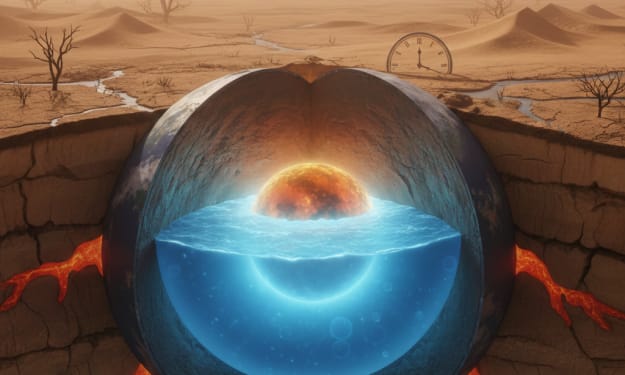
Is There a Hidden Ocean Inside the Earth, and Are We Running Out of Time?
If you think you understand what’s beneath your feet, science might want a word with you, because recent research suggests our planet may be hiding something massive. And no, this isn’t sci-fi. It’s grounded in real discoveries, strange footage, and unsettling predictions about where humanity is headed.
By Areeba Umaira day ago in FYI
🅼🅸🅳🅽🅸🅶🅷🆃 🆂🅽🅰🅲🅺🆂
"It's 10 in Tuscon! We all know what that means... It's Time for Midnight Snacks with your man, Gerald Gee! Ready to spend the night together? Me too! I'm full of snacks and can't wait to regurgitate them all back into your hungry ears. Crack a brew! Pop some corn! Anything to get ready for one hell of a show where the talk maybe cheap but the words cut deep...
By Lamar Wiggins3 days ago in Fiction



Comments (1)
I just liked please go and read and like mine as well thank you