
Orthopedic Implants: Enhancing the Quality of Life for Patients
Orthopedic implants and instruments are medical devices used in the treatment of musculoskeletal conditions, such as fractures,
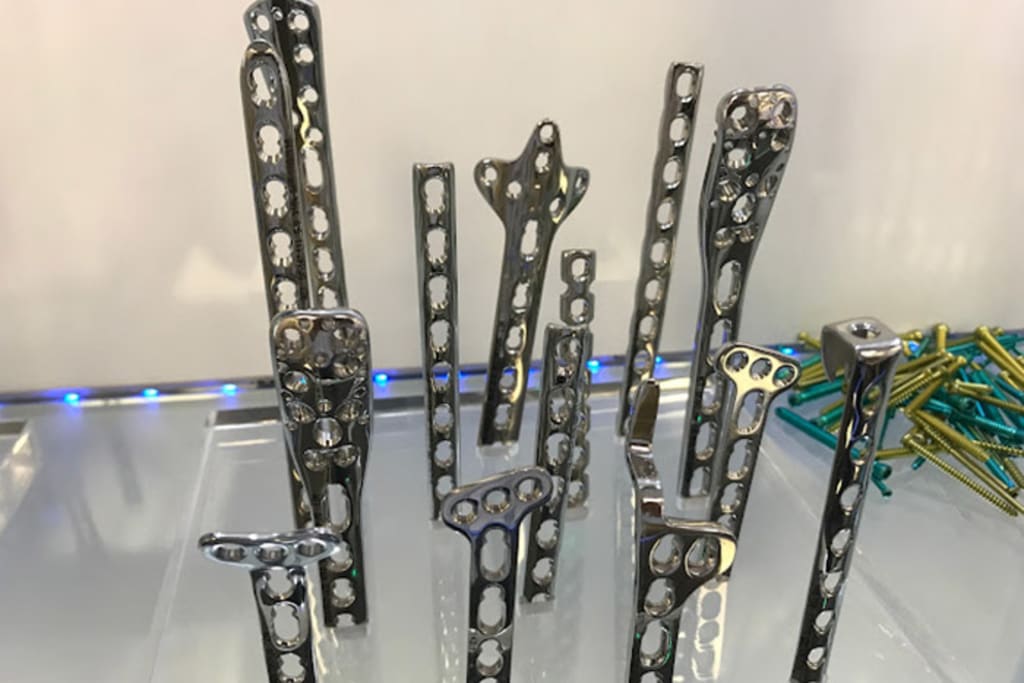
Orthopedic implants
Orthopedic implants are usually permanent medical devices that are surgically placed in the body to replace or support damaged or diseased bones, joints, or tissues. Common types of orthopedic implants include joint replacements, such as hip and knee replacements, as well as screws, plates, and rods used to stabilize fractures. Orthopedic implants are made of materials such as Stainless Steel, Titanium, ceramic, and plastic and are designed to be biocompatible with the human body.
Orthopedic instruments
Orthopedic instruments are specialized tools used by surgeons during orthopedic procedures. These instruments are designed to provide precise and efficient surgical intervention and may include a wide range of instruments such as forceps, scalpels, drills, and saws. Orthopedic instruments may be made of materials such as stainless steel, titanium, and plastic and are often sterilized before use to minimize the risk of infection.
Orthopedic implants and instruments play a vital role in the treatment of musculoskeletal conditions, helping to restore function and mobility to the affected area. These devices are designed to be biocompatible with the human body and are used by surgeons to provide precise and efficient surgical intervention.
The history of orthopedic implants dates back to ancient times, with the use of wooden splints and braces to support and stabilize broken bones. However, it was not until the 20th century that significant advancements were made in the development and use of orthopedic implants.
One of the earliest orthopedic implants was the Thomas splint, developed in the early 1900s by Dr. Arthur Steindler. This splint was made of metal and used to stabilize fractures in the lower leg. In the 1950s, Dr. John Charnley developed the first successful total hip replacement using a metal ball and socket joint. This pioneering surgery revolutionized the treatment of hip fractures and paved the way for further developments in joint replacement surgery.
In the 1960s, the first successful knee replacement surgery was performed using a plastic and metal implant. This marked a significant advancement in the treatment of knee injuries and osteoarthritis. In the 1980s, the use of biocompatible materials, such as ceramic and titanium, in orthopedic implants became more widespread. These materials are now commonly used in the production of joint replacements and other orthopedic implants.
In the 21st century, advancements in computer-aided design and 3D printing have further revolutionized the field of orthopedic surgery. These technologies have allowed for the production of custom-fit orthopedic implants, improving the precision and fit of these devices.
Overall, the history of orthopedic implants is marked by significant advancements in the design and materials used in these devices. From wooden splints to custom-fit implants made with biocompatible materials, orthopedic implants have greatly improved the treatment and recovery of musculoskeletal injuries and conditions.
Orthopedic implants and instruments are indispensable medical marvels, representing the pinnacle of modern healthcare technology. These sophisticated devices are meticulously crafted and precisely engineered to address a diverse array of musculoskeletal conditions, ranging from traumatic fractures to degenerative joint diseases. By seamlessly integrating with the body's natural structures, these implants effectively serve as artificial components, bolstering weakened bones and joints to restore optimal function and mobility.
In the realm of joint replacements, orthopedic implants have revolutionized the lives of countless patients, providing relief from debilitating pain and debilitating conditions like osteoarthritis. These implants come in various materials, such as titanium, stainless steel, or cobalt-chromium alloys, each carefully selected for its durability and biocompatibility, ensuring seamless integration into the body over time.
Additionally, orthopedic instruments play a pivotal role in the surgical precision required during complex orthopedic procedures. Surgeons rely on specialized tools like bone saws, drills, and retractors to navigate intricate anatomical structures with utmost care and precision. The evolution of these instruments has not only improved surgical outcomes but also reduced patient recovery time, minimizing post-operative complications, and speeding up rehabilitation processes.
Beyond the immediate benefits to patients, the ongoing advancements in orthopedic implants and instruments have a far-reaching impact on the healthcare industry as a whole. The continuous research and development efforts have led to enhanced designs, materials, and manufacturing processes, making these devices safer, more efficient, and longer-lasting.
Moreover, the synergy between medical professionals, engineers, and researchers has opened up new avenues for personalized orthopedic solutions. Patient-specific implants, tailored to individual anatomy, are becoming increasingly feasible, promising even better outcomes and faster recoveries. Such personalized approaches hold immense potential in transforming orthopedic care, providing patients with custom-fit solutions and reducing the likelihood of complications.
As we look toward the future, the trajectory of orthopedic implants and instruments seems boundless, with ongoing research aiming to further improve their biocompatibility, durability, and overall performance. With every breakthrough, orthopedic specialists are equipped with a broader arsenal of innovative tools, empowering them to address a wider range of musculoskeletal challenges with heightened precision and efficacy.
In conclusion, the incredible advancements in orthopedic implants and instruments have revolutionized the landscape of musculoskeletal medicine, offering renewed hope and vastly improved quality of life to patients suffering from a myriad of conditions. Through cutting-edge technology and unwavering dedication, the field of orthopedics continues to push the boundaries of what's possible, epitomizing the union of medical expertise and engineering ingenuity in the service of humanity.
About the Creator
Alle Opo
We are a renowned manufacturer and supplier of a diverse range of medical and surgical products, including orthopedic implants. We have established ourselves as a trusted name in the field of orthopedic implant manufacturing.
A Failed Artist, A Disillusioned Poet, An Underpaid Game Show Host
I took my son and niece to Gori, a small town in Georgia where Joseph Stalin was born. They talked me into visiting the Stalin's Museum, the largest in the post-Soviet space. I had resisted going there because I just can't stand the monster and know enough about him, or so I thought.
By Lana V Lynx25 days ago in FYI


Comments
There are no comments for this story
Be the first to respond and start the conversation.