
Navigating the World of Sodium-Dense Mineral Waters
Risks and Rewards
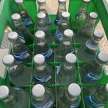

In the ever-expanding world of health and wellness, one category of drinking water has garnered significant attention in recent years: sodium-dense mineral waters. These naturally occurring spring and well waters are prized for their rich mineral content, which can include high levels of sodium, as well as other essential nutrients like calcium, magnesium, and potassium.
While the potential benefits of these mineral-packed waters are numerous, from improved hydration to potential digestive support, their high sodium content also raises important questions and concerns, particularly for those with certain health conditions or dietary restrictions.
The Role of Sodium in the Body
Sodium is an essential mineral that plays a critical role in various bodily functions, including fluid balance, nerve transmission, and muscle contraction.1 However, excessive sodium intake can lead to a range of health problems, such as high blood pressure, heart disease, and kidney issues.
The recommended daily intake of sodium is no more than 2,300 milligrams for the general adult population.2 For individuals with certain medical conditions, such as hypertension or heart disease, the recommended limit is even lower, often around 1,500 milligrams per day.
Navigating the Sodium Content in Mineral Waters
Sodium levels in mineral waters can vary significantly, with some containing as little as 10 milligrams per liter and others reaching upwards of 1,000 milligrams per liter or more.3 It's important for consumers to carefully read labels and research the specific mineral composition of any water they plan to consume, especially if they are monitoring their sodium intake for health reasons.
For those individuals who are otherwise healthy and not on sodium-restricted diets, the high sodium content of certain mineral waters may not pose a significant concern. In fact, the additional minerals present in these waters, such as calcium and magnesium, may even offer some protective benefits against the potential negative effects of sodium.
However, for individuals with conditions like hypertension, heart disease, or kidney problems, consuming mineral waters with high sodium levels could be risky and should be done with caution, if at all. In these cases, it's essential to consult with a healthcare professional to determine the appropriate sodium intake and whether mineral-rich waters are a suitable option.
Balancing the Risks and Rewards
While the potential benefits of mineral-dense waters, including improved hydration, digestive support, and overall mineral balance, are certainly compelling, it's crucial to weigh these against the risks posed by excessive sodium intake.
For many people, the solution may lie in finding a balance – incorporating mineral waters judiciously, while also being mindful of overall sodium intake from other dietary sources. This may involve alternating between high-sodium mineral waters and low-sodium options, or limiting the frequency and portion sizes of mineral water consumption.
Additionally, it's important to note that the specific mineral composition of a water source can greatly influence its potential benefits and risks. Some mineral waters may be higher in beneficial minerals like magnesium or calcium, while lower in sodium, making them a more suitable choice for those with sodium sensitivities.
In conclusion, navigating the world of sodium-dense mineral waters requires a careful and nuanced approach. By understanding the role of sodium in the body, researching the specific mineral profiles of different water sources, and consulting with healthcare professionals, consumers can make informed decisions that align with their individual health needs and wellness goals. With the right balance and guidance, the potential rewards of these mineral-rich waters can be harnessed without compromising one's overall health and wellbeing.
Footnotes
Adrogué, H. J., & Madias, N. E. (2014). Sodium and potassium in the pathogenesis of hypertension. New England Journal of Medicine, 356(19), 1966-1978. ↩
Centers for Disease Control and Prevention. (2022). Sodium and Food Sources. Retrieved from https://www.cdc.gov/salt/index.htm ↩
Rosborg, I., Nihlgård, B., & Gerhardsson, L. (2003). Mineral content of well water in one acid and one alkaline area. Environmental Geochemistry and Health, 25(2), 199-214. ↩
About the Creator
Sparkling Mineral Water Da Nang
Your Source for Refreshing and Revitalizing Hydration. We are on a mission to uncover the geological, historical, and scientific secrets that make each natural mineral water truly one-of-a-kind.
Keep reading
More stories from Sparkling Mineral Water Da Nang and writers in FYI and other communities.
Exploring the Link Between Sulfate-Heavy Waters and Digestive Support
When it comes to maintaining a healthy digestive system, we're often advised to focus on factors like consuming enough fiber, staying hydrated, and limiting processed foods. However, emerging research suggests that the mineral content of our drinking water may also play a surprisingly important role in supporting optimal gut health.
By Sparkling Mineral Water Da Nang2 years ago in FYI
A Failed Artist, A Disillusioned Poet, An Underpaid Game Show Host
I took my son and niece to Gori, a small town in Georgia where Joseph Stalin was born. They talked me into visiting the Stalin's Museum, the largest in the post-Soviet space. I had resisted going there because I just can't stand the monster and know enough about him, or so I thought.
By Lana V Lynx19 days ago in FYI
Does AI give employees more autonomy—or more surveillance?
AI is often introduced into organizations with a promise of empowerment. Leaders talk about faster decisions, smarter tools, reduced manual effort, and employees finally being able to focus on higher-value work. In theory, AI is positioned as a force that frees people from busywork and gives them more control over how they do their jobs.
By Vipul Gupta2 days ago in FYI
The CEO of Everything
They say "jack of all trades, master of none," but they forgot to mention the part where the jack of all trades is also the camera woman, the makeup artist, and the person currently yelling at a tangled Wii microphone cable in a her own bathroom while recording herself singing and trying to make it look realistic and professional. (As professional as you can make it with nothing but a cell phone camera and a mic that doesn't work)
By Sara Wilson7 days ago in Humans




Comments
There are no comments for this story
Be the first to respond and start the conversation.