
Monkeypox Heart
Report suggests acute myocarditis associated with monkeypox infection

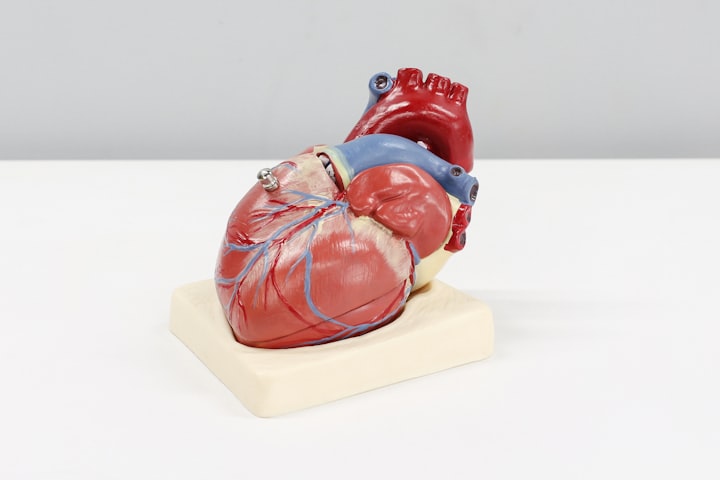
Monkeypox Heart, as some are referring to it, is acute myocarditis associated with an infection of monkeypox.
A 31-year-old male with confirmed monkeypox infection developed acute myocarditis approximately one week following the onset of monkeypox symptoms.
“This case highlights cardiac involvement as a potential complication associated with monkeypox infection,” said Ana Isabel Pinho, MD, department of cardiology at São João University Hospital Centre in Portugal.
It is a new and worrying potential facet of monkeypox infection which has been signalled up in a case study published in JAAC: Case Reports.
Cases of monkeypox in non endemic countries started to be reported, first in Europe, in May 2022 with other cases being reported in the US and other countries quickly after the reports from the EU.
Monkeypox is caused by the monkeypox virus which is closely related to the more dangerous smallpox virus. Monkeypox causes a rash of pimples and blisters on areas of the body such as the face, the back, the hands and in this particular outbreak increasingly around the genital area. This said the rash can arise on any part of the body.
Myocarditis has previously been shown to be associated with smallpox but in previous strains of monkeypox virus has not been highlighted and doctors now fear that a tropism for myocardium tissue or immune-mediated injury to the heart could be linked with an infection of monkeypox virus.
After the Covid-19 pandemic the general public are fearful of another worldwide viral infection although experts including WHO have said that at the moment there is no evidence of one. This new development of a possible ‘monkeypox heart’ infection will do nothing to stop public worries.
Myocarditis is an inflammation of the heart muscle usually linked to a viral infection and the case reported on appears to highlight a strong link between the myocarditis observed and the monkeypox virus.
Julia Grapsa, MD, PhD, editor-in-chief of JACC: Case Reports said:
“Through this important case study, we are developing a deeper understanding of monkeypox, viral myocarditis and how to accurately diagnose and manage this disease,”
Monkeypox continues to spread globally and whilst not yet declared a pandemic, health organisation’s are treating it as a serious cause for concern. Initially the outbreak was referred to as primarily arising in the male gay and bisexual community with most cases being identified via sexual health clinics. It is now arising in people of all sexualities, genders and ages. It is mainly spread via close bodily contact or sharing of bedclothes, towels and other personal items. A worrying factor is that although initially thought not to spread via the air (as is the case with Covid-19 and its variants) reports now seem to indicate that the current strain of monkeypox might also be spread that way.
Dr Graspa said:
“The authors of this study have used CMR mapping, a comprehensive imaging tool, to help with the diagnosis of myocarditis. I commend the authors on this valuable clinical case during a critical time as monkeypox continues to spread globally.”
The patient in this case attended a health clinic five days after the start of monkeypox symptoms. He had tiredness, fever and lesions on the face, hands and genitals. A PCR test was given and monkeypox infection confirmed. The patient was sent home with medication but returned 3 days later saying that their chest was tight and that the pain was radiating into his left arm. After examination the patient was admitted to intensive care with suspected acute myocarditis. Further tests including a cardiac magnetic resonance (CMR) study performed on the patient were consistent with myocardial inflammation and a diagnosis of acute myocarditis.
As of August 22nd 2022 it is reported by the CDC (Centers for Disease Control and Prevention) that there are 53,027 cases of monkeypox globally including 19,962 in the US. No deaths are reported as a result of infection in the US.
CDC current advice is:
“At this time, data suggest that gay, bisexual, and other men who have sex with men make up the majority of cases in the current monkeypox outbreak. However, anyone, regardless of sexual orientation or gender identity, who has been in close, personal contact with someone who has monkeypox is at risk. Take steps to prevent getting monkeypox. If you have any symptoms of monkeypox, talk to a healthcare provider.”
The CDC, WHO and other national and international health agencies make no mention currently of myocarditis associated with monkeypox infection.
About the Creator
Paul Conneally
Paul Conneally is a Cultural Forager, poet and artist.
He writes on culture in its widest sense from art to politics, music and science and all points between.
His Twitter handle is @littleonion and on Instagram he is @little___onion
Keep reading
More stories from Paul Conneally and writers in FYI and other communities.
Hip Fracture Treatment Initiative Success
An initiative at to address the way that geriatric patients suffering from a hip fracture are dealt with from the moment they enter hospital to the time they leave and return for their first follow-up is showing good results.
By Paul Conneally3 years ago in FYI
A Planetary Alignment will coincide with Mercury Retrograde
Double phenomena in the heavens Some people say in jest that the planets have aligned in their favor when life works the way they desire. Were you aware that there are seasons when things do line up in the heavens? There will be a planetary alignment AKA a planet parade, on February 28, 2026.
By Cheryl E Preston6 days ago in FYI
Flames on the frontier _when border burn and peace stand at the crossroads
In global politics, some borders are not merely lines drawn on a map; they carry layers of history, culture, memories, and pain. The border between Afghanistan and Pakistan is one such frontier, shaped by decades of mistrust, shared traditions, conflict, and cooperation. The clashes that intensified in February 2026 have once again brought this sensitive region into the spotlight of international attention.
By hamad khan4 days ago in FYI




Comments
There are no comments for this story
Be the first to respond and start the conversation.