
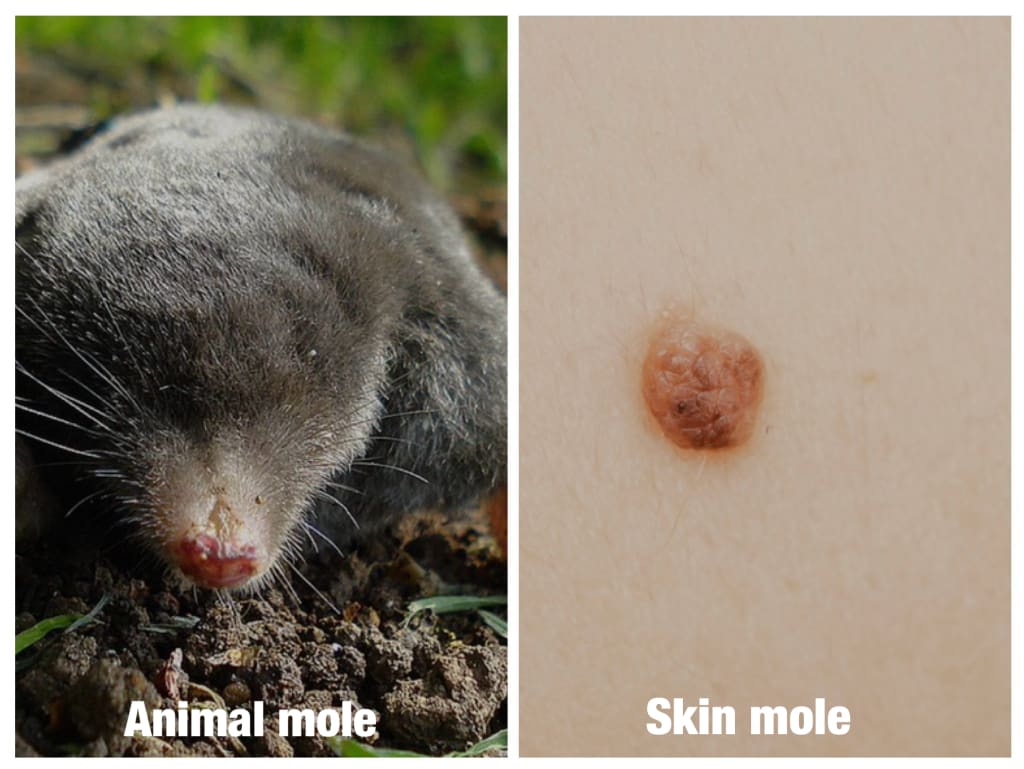
• ANIMAL MOLE
Animal mole are small mammals renowned for their soft fur, pointed snouts, and robust forelimbs specialized for digging,
Moles are found in different parts of the world, primarily in North America, Europe, and Asia. They inhabit a wide range of environments, from grasslands to woodlands, adapting to diverse soil types and climates.
Moles typically have a gestation period lasting 4 to 6 weeks, with some variations among species. Following this period, the female mole welcomes a litter of pups within the secure confines of their burrow, carefully lined with grass and leaves. The mother mole nurses her offspring, and as they grow, she gradually introduces them to hunting skills and digging techniques. After a few weeks, the young moles become more independent.
These elusive creatures predominantly lead subterranean lives, they have specialized limbs for digging, powerful claws, and a streamlined body.
As insectivores, moles primarily feed on earthworms, insects, and larvae found in the soil. Their diet consists mainly of small invertebrates, which they locate using their keen sense of smell and touch.
Advantages of animal moles include their contribution to soil aeration through tunneling, which promotes a healthier ecosystem underground. They also serve as natural pest controllers by feeding on earthworms and insects, helping to control certain populations.
On the downside, moles may pose challenges for lawns and gardens due to their tunneling activities, potentially causing damage to the landscape. Additionally, their presence might lead to conflicts with humans attempting to maintain manicured outdoor spaces.To address mole issues one may consider using humane traps or repellents. Alternatively, modifying the environment by reducing excess moisture and controlling insects (their primary food source) may discourage moles.
In conclusion, for nature moles play a role in soil health by aerating it and controlling insect populations. However their burrowing can be problematic in gardens and lawns, causing damage. It depends on the context one looks at it- animal moles can be good for soil, but potentially bad for landscaping.
• A SKIN MOLE
A skin mole, scientifically known as a melanocytic nevus, is a common dermatological feature characterized by a cluster of pigmented cells that can appear anywhere on the skin,
Skin mole can appear in colors from tan to brown and even black, with variations in shape, size, and texture.
These nevi are primarily caused by the accumulation of melanocytes, the pigment-producing cells, and can be classified into different types, including junctional, intradermal, and compound moles, each presenting distinctive characteristics in terms of their location within the skin layers. The main factors influencing mole development include genetic predisposition and exposure to sunlight. Hormonal changes, such as those during pregnancy and menopause can also lead to the appearance of body moles.
Although majority of moles are benign and pose no immediate health threat, it is crucial to monitor any changes in size, color, or shape, as these alterations might signal potential malignancy.
Recognizing that genetics play a role in mole development, with certain individuals being predisposed to a higher number of moles due to hereditary factors, while environmental influences such as sun exposure also contribute to mole formation and potential changes in their characteristics, this reinforces the importance of sun protection measures such as sunscreen application and minimizing sun exposure during peak hours to reduce the risk of developing abnormal moles.
Furthermore, congenital moles present at birth require special attention, as larger congenital nevi carry an increased risk of developing into melanoma, necessitating vigilant monitoring and potential interventions based on the size and location of the mole,
If you notice a new or changing body mole , it's important to monitor it for any irregularities like changes in color, size, or shape, consult a dermatologist for a professional evaluation to rule out any potential issues.
If a mole is deemed to be at risk or causing discomfort, a dermatologist may recommend removal through procedures like excision, shaving, or laser removal. It is essential to consult with a dermatologist to assess the appropriateness of removal methods and potential risks, as surgical excision, laser therapy, or other techniques may be employed based on factors such as mole size, location, and patient preference.
Regular skin examination and checks are crucial for detecting skin abnormalities early and always seek professional advice for any concerns about skin moles.
This writing ultimately emphasizes the nuanced relationship between skin moles, individual health, and the importance of informed decision-making in maintaining overall body well-ness.
About the Creator
Chy
A lover of knowledge, writer, teacher and librarian.
Keep reading
More stories from writers in FYI and other communities.
A Failed Artist, A Disillusioned Poet, An Underpaid Game Show Host
I took my son and niece to Gori, a small town in Georgia where Joseph Stalin was born. They talked me into visiting the Stalin's Museum, the largest in the post-Soviet space. I had resisted going there because I just can't stand the monster and know enough about him, or so I thought.
By Lana V Lynx27 days ago in FYI


Comments
There are no comments for this story
Be the first to respond and start the conversation.