
Maximize Efficiency: 5 Electric Stove Hacks Every Home Cook Should Know
Electric stoves are a staple in many kitchens, prized for their convenience, safety, and sleek design. However, like any appliance, they can be a significant drain on energy if not used efficiently. Whether you're looking to save on your energy bills, reduce your environmental footprint, or simply get the most out of your kitchen tools, maximizing the efficiency of your electric stove is key. In this article, we'll dive into five essential hacks that every home cook should know to optimize their electric stove's performance. Let's explore how small changes can lead to big savings and a more sustainable kitchen.
I. Understanding Electric Stove Efficiency
A. What Makes Electric Stoves Efficient?
Electric stoves have become a popular choice in modern kitchens, and for good reason. They offer precise temperature control, easy-to-clean surfaces, and a modern aesthetic that blends well with contemporary kitchen designs. But what exactly makes an electric stove efficient?
Efficiency in electric stoves comes down to how well they convert electrical energy into heat for cooking. Unlike gas stoves, which lose a significant amount of heat to the surrounding air, electric stoves use direct heat transfer through their coils or ceramic tops. This direct transfer allows for more consistent and controlled cooking, making electric stoves more energy-efficient under the right conditions.
However, the efficiency of an electric stove isn't just about its design; it also depends on how you use it. Factors such as the size of your cookware, the settings you choose, and how well you maintain your stove can all influence its energy consumption.
B. The Cost and Environmental Impact of Inefficiency
Inefficient use of your electric stove doesn't just affect your wallet—it also has a broader environmental impact. Every time your stove consumes more energy than necessary, it contributes to higher electricity demand. This, in turn, leads to increased greenhouse gas emissions from power plants, particularly those that rely on fossil fuels.
Consider this: a stove that is used inefficiently can add significantly to your monthly energy bill. Over time, those extra costs add up. But the financial implications are just the tip of the iceberg. The environmental cost is far greater. Inefficient energy use contributes to global warming, air pollution, and resource depletion. By taking steps to maximize your stove's efficiency, you're not only saving money but also making a positive impact on the environment.
II. Hack #1: Preheat Smartly
A. Why Preheating Matters
Preheating your stove is a common practice, especially for baking. But did you know that how and when you preheat can significantly affect your stove's energy efficiency? Preheating allows your stove to reach the desired temperature before you start cooking, ensuring even heat distribution. However, many people either preheat for too long or not long enough, leading to wasted energy.
When you preheat for longer than necessary, you're essentially running your stove at full power without cooking anything. On the other hand, not preheating for long enough can lead to uneven cooking, which might tempt you to keep the stove on longer to correct the problem—again, wasting energy.
B. Timing It Right
The key to efficient preheating is timing it right. Most recipes recommend preheating for about 10-15 minutes, depending on the desired temperature. However, newer electric stoves with digital displays can preheat more quickly, so always refer to your stove's manual for specific guidance.
In some cases, you can skip preheating altogether. For instance, when you're roasting vegetables or reheating leftovers, the gradual temperature increase can actually help in cooking the food more evenly. By understanding when and how to preheat, you can reduce energy consumption without compromising on cooking quality.
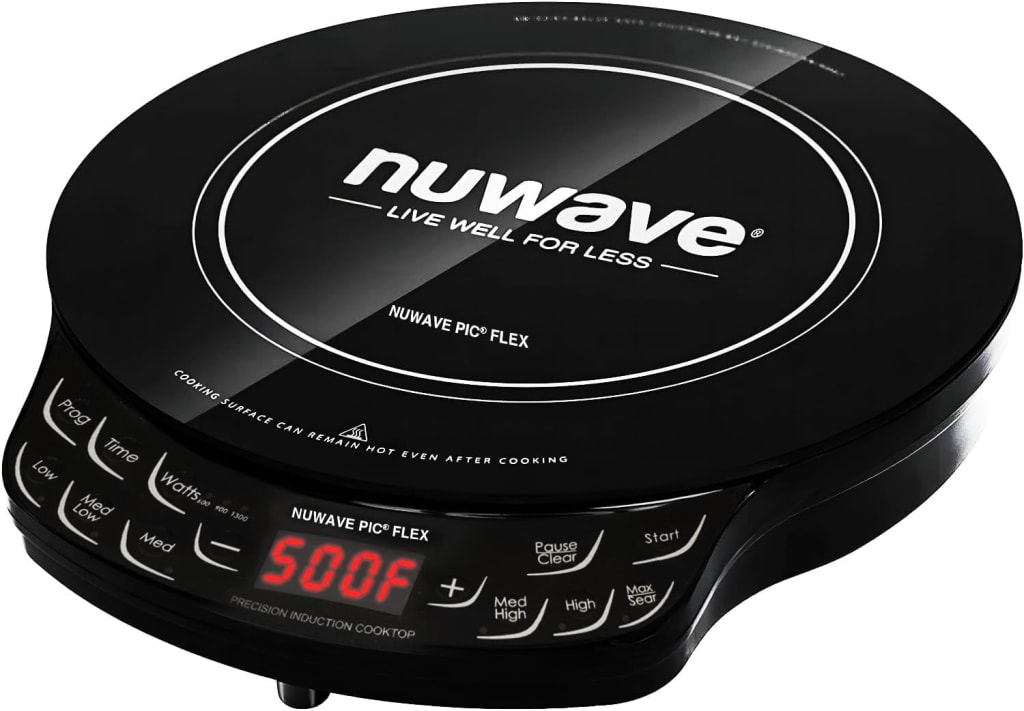
If you're looking for even more control over your cooking temperature and want to further enhance your kitchen efficiency, consider the Nuwave Flex Precision Induction Cooktop. This versatile cooktop allows you to make adjustments on-the-fly, so if you need a hotter temperature or more time, there's no need to start over. With 45 pre-programmed temperatures and the ability to fine-tune your cooking from 100°F to 500°F in 10°F increments, you can cook with precision every time. The shatter-proof ceramic glass surface ensures safety and durability, making it a perfect addition to any kitchen looking to maximize efficiency.
III. Hack #2: Choose the Right Cookware
A. The Importance of Matching Cookware to Burner Size
One of the most common mistakes in the kitchen is using cookware that doesn't match the size of the burner. When you use a small pot on a large burner, or a large pan on a small burner, a significant amount of energy is wasted. The excess heat escapes into the surrounding air instead of being used to cook your food.
To maximize efficiency, always match the size of your cookware to the size of the burner. A good rule of thumb is that the diameter of your pot or pan should be the same or slightly larger than the burner it's on. This ensures that the heat is properly distributed across the bottom of the cookware, leading to more even cooking and less energy waste.
B. Materials That Boost Efficiency
The material of your cookware also plays a crucial role in energy efficiency. Some materials conduct heat better than others, meaning they require less energy to reach and maintain cooking temperatures. Here's a quick overview of some common cookware materials:
Stainless Steel: Durable and resistant to corrosion, stainless steel is a popular choice. However, it doesn't conduct heat as efficiently as other materials, so it's often combined with an aluminum or copper core to improve performance.
Cast Iron: Known for its excellent heat retention, cast iron is ideal for slow-cooking and dishes that require consistent heat. However, it takes longer to heat up, so it's best used for recipes where this characteristic is beneficial.
Aluminum: Lightweight and a good conductor of heat, aluminum cookware heats up quickly and evenly. However, it's prone to scratching and can react with acidic foods, so it's often anodized or coated.
Copper: Offers superior heat conductivity and precise temperature control, but it's expensive and requires regular maintenance to prevent tarnishing.
Choosing the right cookware material can make a big difference in how efficiently your electric stove uses energy. For most home cooks, a combination of stainless steel with an aluminum core, along with a few cast iron pieces, offers a good balance of performance and energy efficiency.
If you're seeking cookware that pairs perfectly with an induction cooktop like the Nuwave Flex, opt for pieces that are specifically designed for induction cooking. These options ensure that the heat is transferred efficiently, reducing energy consumption and cooking time.
IV. Hack #3: Use Residual Heat
A. Taking Advantage of Leftover Heat
One of the simplest yet most effective ways to save energy in the kitchen is to make use of residual heat. Electric stoves, especially those with coil burners or ceramic tops, retain heat even after they've been turned off. This leftover heat can be used to finish cooking your food without drawing more power.
For example, if you're simmering a sauce or cooking pasta, you can turn off the burner a few minutes before the end of the cooking time. The residual heat will keep the food cooking, saving you energy while still delivering perfectly cooked results.
B. Practical Applications
Using residual heat requires a bit of practice and timing, but once you get the hang of it, you'll find it can be applied to many different dishes. Here are some practical examples:
Pasta: After bringing the water to a boil and adding the pasta, turn off the burner and cover the pot. The pasta will continue to cook in the hot water, saving you energy.
Stir-Fry: When your vegetables and meat are nearly cooked, turn off the heat and cover the pan. The residual heat will finish cooking the ingredients while you prepare the rest of your meal.
Baked Goods: For recipes that require a resting period after baking, turn off the oven and leave the dish inside. The residual heat will help finish the cooking process without overbaking.
By incorporating this simple hack into your cooking routine, you can reduce your energy usage without compromising on the quality of your meals.
V. Hack #4: Cover Your Pots and Pans
A. The Science Behind Using Lids
Using lids on your pots and pans might seem like a no-brainer, but it's a technique that's often overlooked. Covering your cookware traps heat inside, allowing food to cook faster and more evenly. This not only reduces cooking time but also cuts down on the amount of energy your stove needs to use.
When you cook without a lid, heat escapes into the air, requiring your stove to work harder to maintain the desired temperature. This is particularly true for dishes that require simmering or boiling, where keeping the heat contained is crucial for efficiency.
B. Best Practices
To maximize the benefits of using lids, it's important to follow a few best practices:
Use a Tight-Fitting Lid: Make sure the lid fits snugly on your pot or pan to prevent heat from escaping. If the lid is loose, you're losing the efficiency benefits.
When to Cover: Use lids when boiling water, simmering sauces, or cooking grains like rice and quinoa. For certain dishes, like stews and braises, covering the pot ensures that moisture and heat are retained, leading to tender, flavorful results.
When to Leave the Lid Off: There are times when it's better to cook without a lid, such as when you're reducing a sauce or trying to achieve a crispy crust on a dish. In these cases, leaving the lid off allows moisture to evaporate, concentrating flavors or creating a desired texture.
By understanding when and how to use lids effectively, you can make your cooking more efficient and enjoy better results.
VI. Hack #5: Maintain Your Stove for Peak Performance
A. Regular Cleaning Tips
A well-maintained electric stove is not only more efficient but also safer and longer-lasting. Regular cleaning is essential to keep your stove in top condition, as food spills, grease, and dust can accumulate on the burners and affect their performance.
Here are some tips for keeping your stove clean:
Daily Wipe-Down: After each use, wipe down the stove's surface with a damp cloth or sponge. For tougher spots, use a mild detergent. Avoid using abrasive cleaners that can scratch the surface.
Deep Cleaning: Once a month, give your stove a deep clean. For coil burners, remove the coils and clean them separately. For ceramic tops, use a specialized cleaner that won't damage the surface. Be sure to clean under the burners and around knobs to prevent grease build-up.
Check Electrical Connections: Periodically check the connections to ensure they're secure and free from debris. Loose or dirty connections can lead to inefficiencies and safety hazards.
For those who want to maintain a sleek and efficient kitchen, the Nuwave Flex Precision Induction Cooktop is an excellent option. Its shatter-proof ceramic glass surface not only provides durability but also makes cleaning a breeze. A quick wipe down after use is all you need to keep it looking like new.
By following these simple maintenance tips, you can ensure your stove runs efficiently for years to come, saving you both time and money.
About the Creator
Keep reading
More stories from Le Quang Cuong and writers in FYI and other communities.
Revolutionize Your Home: Top 07 Smart Devices for Effortless Living
1. Smart Thermostats: The Key to Comfort and Savings Smart thermostats are among the most popular and practical smart home devices available today. These devices allow you to control the temperature of your home from anywhere, using your smartphone or voice commands. One of the top choices in this category is the Sensi Smart Thermostat. It offers not only remote control capabilities but also features like geofencing and flexible scheduling, which can help you save on energy costs. More advanced models, like the Nest Learning Thermostat, can even learn your schedule and preferences over time, automatically adjusting the temperature to optimize comfort and energy savings.
By Le Quang Cuongabout a year ago in 01
A Failed Artist, A Disillusioned Poet, An Underpaid Game Show Host
I took my son and niece to Gori, a small town in Georgia where Joseph Stalin was born. They talked me into visiting the Stalin's Museum, the largest in the post-Soviet space. I had resisted going there because I just can't stand the monster and know enough about him, or so I thought.
By Lana V Lynx21 days ago in FYI
Vitrectomy Surgery Explained: When It’s Recommended and What Patients Should Expect
Vitrectomy surgery is a type of eye surgery that involves the removal of the vitreous gel from the eye. The vitreous is the clear, gel-like substance that fills the center of the eye and helps it maintain its shape. This surgery is primarily recommended to treat a variety of retinal problems, and it plays a vital role in restoring vision for patients with specific eye conditions.
By Franklin Norton5 days ago in FYI



Comments
There are no comments for this story
Be the first to respond and start the conversation.