
Jiu Jitsu for Kids: Benefits, Safety, and Getting Started
Build Confidence and Stay Active

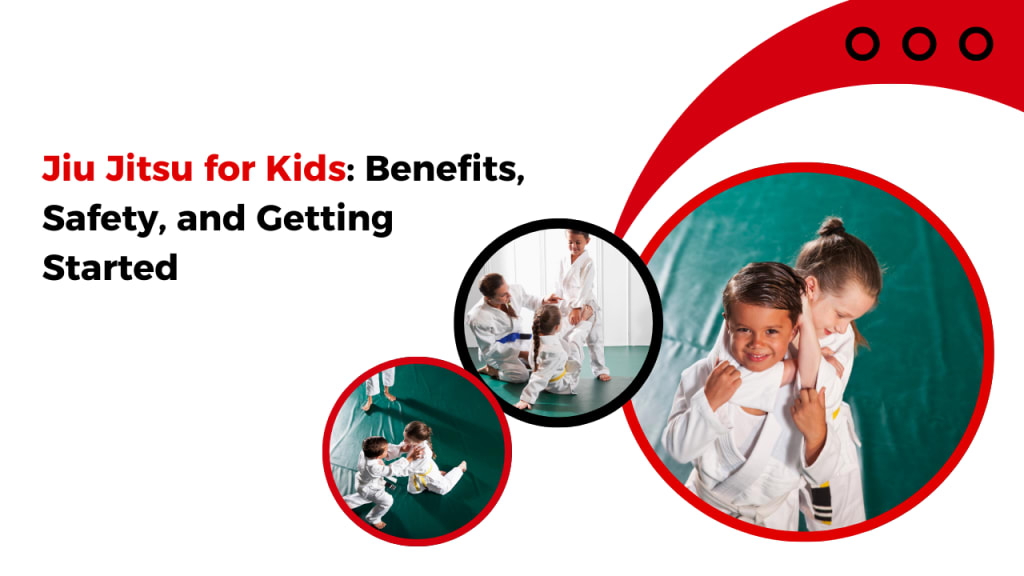
There’s something incredible about watching kids evolve through disciplined practice. One moment, they’re nervously stepping onto the mats, and the next, they’re flowing through techniques with focus and determination. That’s the magic of Jiu Jitsu for kids—a journey that shapes not only their physical skills but also their character, confidence, and mindset.
For parents curious about enrolling their children in martial arts, this form of grappling stands out for its emphasis on control, strategy, and respect.
Let’s unpack the many layers of Jiu Jitsu for kids, from the health and developmental benefits to safety measures and tips for getting started.
Understanding Jiu Jitsu for Kids
Brazilian Jiu Jitsu (BJJ) is a grappling-based martial art that focuses on leverage, control, and technique rather than brute strength. For kids, it’s not about learning how to punch or kick, it’s about using body mechanics to escape, control, and submit an opponent. This makes it especially suitable for children, as it emphasizes smart problem-solving and self-defense over aggression.
Physical Benefits of Jiu Jitsu for Kids
The physical development that comes from Jiu Jitsu is unmatched. Children engage in full-body movements that improve coordination, balance, and agility. Unlike traditional team sports that may favor certain builds or skillsets, BJJ levels the playing field through technique and persistence.
Key physical advantages include:
- Improved motor skills: Rolling, bridging, and shrimping develop neuromuscular coordination.
- Enhanced flexibility and strength: Training sessions involve bodyweight exercises and dynamic stretches.
- Better cardiovascular endurance: Drills and sparring get the heart rate up in a safe, controlled environment.
- Weight management: Consistent physical activity contributes to a healthy body weight and lifestyle habits.
What makes Jiu Jitsu so effective is that children are having fun while getting stronger. The structure of a class feels more like a game than a workout, which keeps them coming back.
Mental and Emotional Development Through the Art
One of the most profound effects of Jiu Jitsu on children lies in the mind. Every technique and sparring match is a lesson in patience, control, and humility. Children learn quickly that brute force won’t get them far; thinking several steps ahead and staying calm under pressure are what make the difference.
Mental and emotional growth includes:
- Discipline and focus: Techniques demand attention to detail. Kids improve their concentration and ability to follow directions.
- Resilience: They learn to get back up after a tap or a tough round and keep trying.
- Confidence: Progress through belts and sparring success builds self-esteem.
- Respect: The culture of Jiu Jitsu requires mutual respect between students, instructors, and even opponents.
These traits often extend into school performance, relationships, and general behavior at home.
Is Jiu Jitsu Safe for Kids? What Parents Should Know
Safety is naturally a top concern for parents. Fortunately, Jiu Jitsu for kids is designed with a heavy emphasis on control and respect, not damage or striking. Still, like any physical activity, there are some precautions to consider.
Safety elements parents should evaluate:
- Qualified instructors: Look for coaches with experience in youth martial arts and proper certifications.
- Class structure: Kids should warm up, drill, and spar in age-appropriate and size-matched groups.
- Cleanliness: Mats and uniforms must be cleaned regularly to avoid skin infections or illnesses.
- Protective rules: Techniques like neck cranks or leg locks are not taught to young kids for safety reasons.
- Tap culture: Kids are taught early to "tap out" when in uncomfortable positions, preventing injuries.
With the right school and supervision, Jiu Jitsu is one of the safest martial arts for children.
Getting Started: What Parents and Kids Need to Know
If your child is ready to begin, preparation can make the transition smoother and more enjoyable. Unlike other sports that require costly gear or tryouts, Jiu Jitsu is accessible and welcoming to newcomers.
Here are some helpful tips for getting started:
Do Some Homework
Research local academies, visit their youth classes, and ask questions. Look for a school that balances technique with fun, and has a clear curriculum for kids.
Gear Up Simply
Most schools provide a loaner gi (uniform) for beginners. Eventually, you'll want to invest in:
- A well-fitting gi
- A rash guard for hygiene
- Mouthguard (optional but good for safety)
Establish a Routine
Consistency is key. Try to commit to 2–3 sessions per week. This helps your child absorb new techniques and develop friendships on the mats.
Support Without Pressure
Let your child grow at their own pace. Celebrate small wins like learning how to shrimp or roll properly. Avoid pushing them into competition unless they show interest.
Talk About Progress
Check in after class. Ask what they learned or enjoyed most. This keeps them engaged and builds a positive association with their training.
The Role of Competition: Should Your Child Compete?
Competitions can be a great motivator—but they’re not for every child. For some, the idea of stepping onto a mat in front of a crowd is thrilling. For others, it might cause stress.
Pros of competition:
- Builds resilience under pressure
- Teaches goal-setting and preparation
- Provides a benchmark for progress
Cons of competition:
- Can be emotionally taxing
- Risk of injury (though rare with proper rules)
- Not all kids enjoy competitive environments
Ultimately, it’s a personal decision. Most schools offer in-house tournaments or fun scrimmage events as a gentler introduction.
Life Lessons Learned on the Mat
Beyond the technique and exercise, Jiu Jitsu offers real-world lessons. Children learn that success doesn’t come overnight. That losing isn’t failing, it’s learning. They find mentors in their coaches, camaraderie among teammates, and pride in their own growth.
It also provides a unique outlet for kids who might struggle with focus or emotional regulation. The structured environment helps channel energy in constructive ways, especially for those with ADHD or anxiety.
Final Thoughts
Jiu Jitsu for kids is far more than just a martial art, it’s a foundation for personal growth. With the right instruction, it provides a safe, engaging, and empowering environment for children to thrive. From improved fitness to enhanced focus, the benefits are both immediate and lasting.
If you're considering an activity that challenges your child physically and mentally, fosters respect and discipline, and equips them with lifelong skills, Jiu Jitsu for kids might just be the perfect fit.
About the Creator
Angela R. Taylor
Hey community I’m Angela R. Taylor With a deep passion for Brazilian Jiu-Jitsu, I coach students of all levels, focusing on technique, discipline, and personal growth.
Keep reading
More stories from Angela R. Taylor and writers in FYI and other communities.
Best Age to Start Jiu Jitsu for Kids Explained
Parents often wonder when the right time is to introduce their children to structured martial arts. Brazilian Jiu Jitsu (BJJ) stands out among disciplines for its blend of discipline, confidence-building, and physical development. But there’s one question that pops up frequently—what’s the best age to start jiu jitsu for kids?
By Angela R. Taylor9 months ago in FYI
A Failed Artist, A Disillusioned Poet, An Underpaid Game Show Host
I took my son and niece to Gori, a small town in Georgia where Joseph Stalin was born. They talked me into visiting the Stalin's Museum, the largest in the post-Soviet space. I had resisted going there because I just can't stand the monster and know enough about him, or so I thought.
By Lana V Lynx20 days ago in FYI


Comments
There are no comments for this story
Be the first to respond and start the conversation.