
### Halloween: Origins, History, and Traditions
#### Origins and History
Halloween, also known as All Hallows' Eve, originates from the ancient Celtic festival of Samhain, celebrated on October 31st. Over 2,000 years ago, the Celts, who lived in the region now known as Ireland, the UK, and northern France, believed that the boundary between the living world and the dead became blurred on this night. On the night of October 31st, they celebrated Samhain, when the ghosts of the dead could return to the earth.
The Celts believed that the presence of these spirits made it easier for Druids, or Celtic priests, to make predictions about the future. To commemorate the event, Druids built huge sacred bonfires where people gathered to burn crops and animals as sacrifices to the Celtic deities. During the celebration, the Celts wore costumes, typically consisting of animal heads and skins, and attempted to tell each other's fortunes.
When the Roman Empire conquered the Celtic territories, they combined Samhain with two Roman festivals: Feralia, a day in late October to commemorate the dead, and a day to honor Pomona, the Roman goddess of fruit and trees. The symbol of Pomona is the apple, and this incorporation likely explains the tradition of "bobbing for apples" that is practiced today during Halloween.
#### Evolution Over Time
By the 8th century, Pope Gregory III designated November 1st as All Saints' Day, or All Hallows' Day, to honor all saints and martyrs. The night before, October 31st, was known as All Hallows' Eve, and later Halloween. On this day, believers participated in prayers and celebrations.
In the 19th century, many Irish immigrants brought their Halloween traditions to America. Early American Halloween celebrations included public events where communities gathered to celebrate the harvest, tell ghost stories, sing, dance, and tell each other’s fortunes. By the late 19th century, Halloween became more community-centered, focusing on neighborhood and family activities.
#### Modern Traditions
1. **Trick-or-Treating**: This is the most popular Halloween activity, especially in the United States. Children dress up in costumes and go from house to house, saying "Trick or treat!" to ask for candy. This custom originates from the ancient European practice where the poor would go door to door, receiving food in exchange for praying for the deceased.
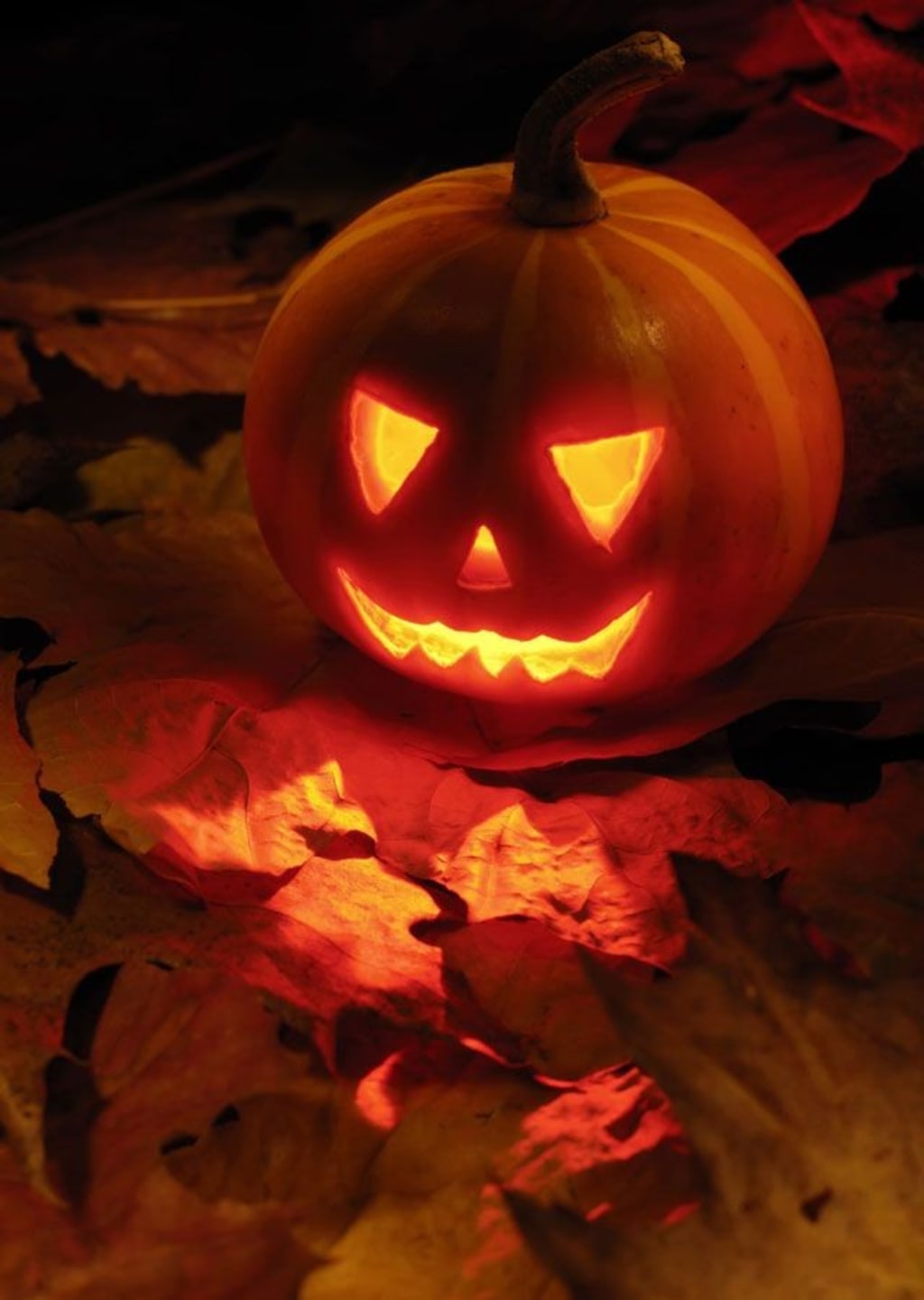
2. **Jack-o'-Lanterns**: Carving and lighting pumpkins are integral to Halloween. This tradition stems from the Irish folktale of "Stingy Jack," who was doomed to wander the earth with a carved turnip lantern. Initially, the Irish used turnips, but they found pumpkins more accessible and easier to carve when they arrived in America.
3. **Costumes and Masks**: Wearing costumes dates back to the belief that spirits roamed the earth on Halloween. To avoid being recognized and to protect themselves, people wore costumes and masks to fool the spirits.
4. **Bobbing for Apples**: This game, often seen at Halloween parties, originates from the Roman festival honoring Pomona. Participants try to catch apples with their teeth without using their hands.
5. **Decorations**: Homes are decorated with images of ghosts, witches, bats, and pumpkins. Orange and black are the primary colors of Halloween, symbolizing the fall harvest and darkness.
6. **Parties and Festivals**: Halloween is also an occasion for parties featuring activities such as telling ghost stories, visiting haunted houses, and costume contests. Theme parks often host special Halloween events, attracting large crowds.
#### Cultural and Spiritual Significance
From ancient origins to modern times, Halloween has carried religious, spiritual, and cultural significance. Originally, it was a time to honor and remember the dead. Today, it is a significant part of Western culture, especially in the United States. Halloween is not only an occasion for fun but also an opportunity to bond, share joy, and express creativity through costumes and activities.
#### Conclusion
Halloween is a rich celebration with deep layers of meaning and traditions from various cultures. From ancient religious festivals to modern activities like trick-or-treating and home decoration, Halloween continues to evolve and adapt. It is not only a time for fun but also a chance to gain a deeper understanding of the history, culture, and beliefs of people through the ages.
About the Creator
A Failed Artist, A Disillusioned Poet, An Underpaid Game Show Host
I took my son and niece to Gori, a small town in Georgia where Joseph Stalin was born. They talked me into visiting the Stalin's Museum, the largest in the post-Soviet space. I had resisted going there because I just can't stand the monster and know enough about him, or so I thought.
By Lana V Lynx18 days ago in FYI
Did Scientists Just Find Proof of the Multiverse? That One Cold Spot in Space Might Say Yes
The Multiverse Isn’t Just Sci-Fi Anymore If you think the idea of parallel universes belongs only in science fiction movies or late-night conspiracy forums, you might want to rethink that, especially today.
By Areeba Umairabout 17 hours ago in FYI


Comments (1)
Perfectly crafted