
Implementing Multi-Cloud Strategies for Cloud Native DevOps
Mastering Flexibility and Resilience: The Essential Role of Multi-Cloud Strategies in Cloud-Native DevOps
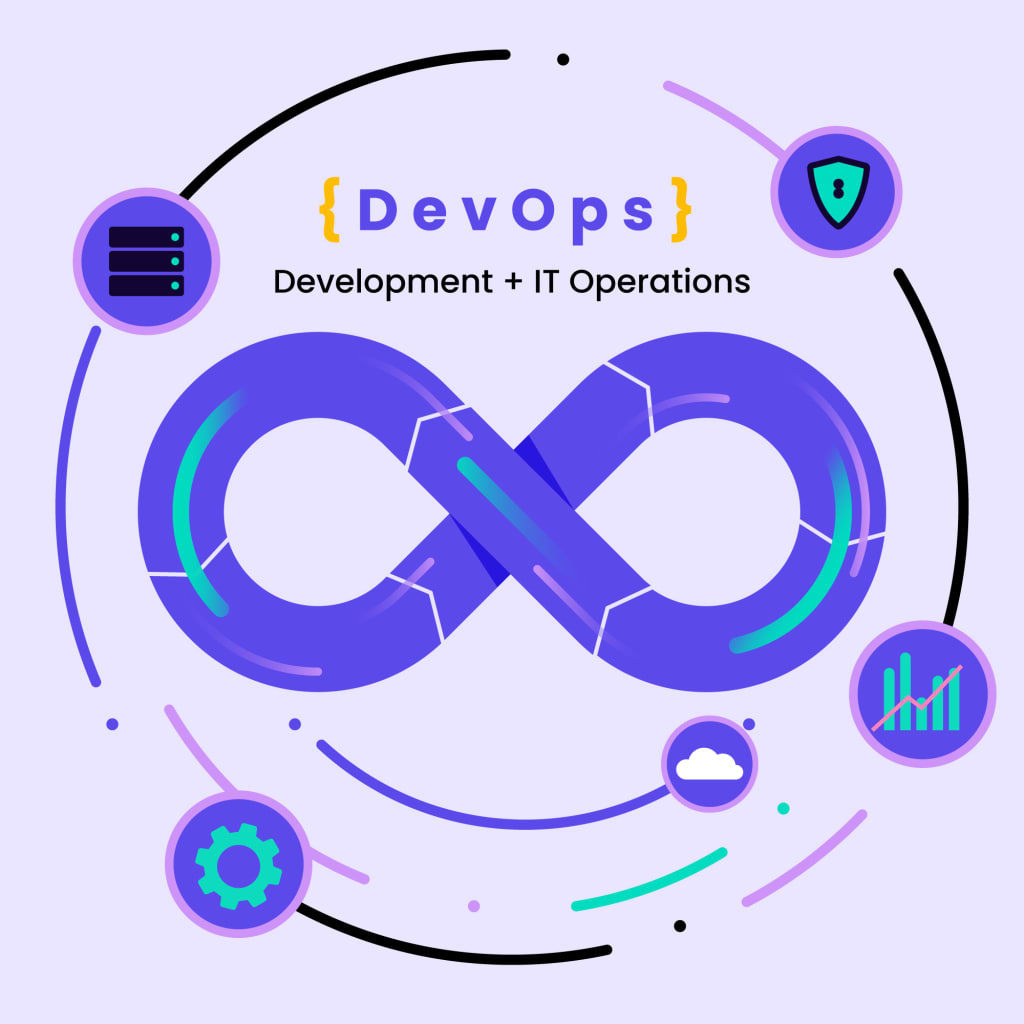
Hey there, folks! 🌟 Today, I’m diving into something that’s been on the radar of many DevOps enthusiasts and cloud engineers—multi-cloud strategies in cloud-native environments. It’s a topic that’s getting a lot of attention, and for good reason. Let’s get started!
Why multi-cloud strategies are becoming essential in cloud-native environments?
Alright, so why is everyone talking about multi-cloud these days? Well, it’s all about flexibility and resilience. In a cloud-native environment, you're often dealing with distributed systems that need to be strong 💪 and flexible. A multi-cloud strategy allows you to spread your resources across different cloud providers, minimizing the risk of downtime and ensuring that you’re not putting all your eggs in one basket. This approach is becoming a cornerstone of modern DevOps practices, offering a way to enhance performance and ensure business continuity.
Key Components of a Successful Multi-Cloud Strategy
Selecting the right cloud providers and services for your needs
So, how do you pick the right cloud providers for your multi-cloud setup? It’s not just about picking the biggest names; it’s about finding the services that align with your DevOps needs. Start by identifying what your team needs in terms of compute power, storage, and networking. For instance, you might want to use one provider for its excellent AI tools and another for its storage solutions. The trick is to mix and match to get the best of all worlds without overcomplicating things.
Ensuring seamless integration and interoperability across cloud platforms
Integration is where the rubber meets the road in multi-cloud. 🛠️ You want to ensure that your different cloud environments work together seamlessly. This is where APIs and cloud-native tools come into play. By using standardized interfaces and adopting open-source tools, you can create a DevOps pipeline that flows smoothly across multiple clouds. It’s like building a bridge that connects all your cloud platforms, making them work as one cohesive unit.
DevOps Solutions: Implementing and Managing Multi-Cloud Strategies
Now, you might be wondering how DevOps solutions can help you manage all this complexity. Well, that’s where DevOps service providers come in. These companies offer tools and expertise to help you navigate the multi-cloud landscape. Whether it’s automation tools, monitoring solutions, or CI/CD pipelines, a good DevOps service provider company can make multi-cloud adoption a breeze. It’s like having a co-pilot who knows the skies inside out, helping you avoid turbulence along the way.
Real-World Applications of Multi-Cloud in DevOps
Case studies of organizations leveraging multi-cloud strategies in DevOps
Let’s talk about some real-world examples. Take Netflix, for instance. They use a multi-cloud strategy to ensure their services are always up and running, even if one provider has an outage. By spreading their infrastructure across different clouds, they can deliver content seamlessly to millions of users around the world. This approach not only enhances performance but also provides a safety net that’s crucial in today’s fast-paced digital world.
Challenges and Considerations in Multi-Cloud DevOps
Of course, it’s not all sunshine and rainbows. Managing multiple cloud environments can be tricky. You’ve got to deal with different interfaces, billing models, and sometimes even different security protocols. But hey, that’s where your DevOps expertise comes into play. By setting up automated processes and using monitoring tools, you can keep an eye on everything without getting overwhelmed. It’s all about being proactive and staying ahead of potential issues.
Ensuring security and compliance across multi-cloud platforms
Security is another biggie. When you’re dealing with multiple clouds, you’ve got to ensure that your data is secure across all platforms. This means implementing consistent security policies and using encryption to protect sensitive information. Compliance is also key—different regions have different regulations, so make sure you’re adhering to local laws to avoid any legal headaches.
Final Thoughts
The future of multi-cloud in cloud-native DevOps and its potential to transform the industry
As we look to the future, it’s clear that multi-cloud strategies are going to play a pivotal role in cloud-native DevOps. With more organizations moving to the cloud, the ability to use multiple providers will become even more critical. This approach not only enhances flexibility and resilience but also opens up new possibilities for innovation. So, whether you’re a seasoned DevOps pro or just starting out, embracing multi-cloud strategies is something you’ll want to consider as you plan for the future.
If you liked this guide, then make sure to check out: Designing Your DevOps Ecosystem for Multi-Cloud!
Hope you found this guide helpful, folks! If you’re considering a multi-cloud strategy, remember, it’s all about finding the right balance and staying ahead of the curve. Happy DevOps-ing! 🚀
Frequently Asked Questions (FAQs)
1. What is a multi-cloud strategy?
A multi-cloud strategy involves using multiple cloud computing services in a single architecture. Instead of relying on a single provider, companies spread their resources across different clouds, enhancing flexibility, performance, and resilience.
2. How does multi-cloud benefit DevOps?
Multi-cloud strategies benefit DevOps by providing greater flexibility, reducing the risk of downtime, and enabling teams to choose the best services from different providers. This leads to improved performance and a more resilient infrastructure.
3. What are the challenges of implementing a multi-cloud strategy?
The challenges include managing different interfaces, dealing with varying pricing models, and ensuring security across multiple platforms. However, with the right tools and expertise, these challenges can be effectively managed.
4. How do you ensure security in a multi-cloud environment?
Security in a multi-cloud environment involves implementing consistent security policies across all platforms, using encryption to protect data, and ensuring compliance with regional regulations. Regular monitoring and updates are also crucial.
5. Why is multi-cloud becoming more popular in cloud-native DevOps?
Multi-cloud is becoming more popular because it offers greater flexibility and resilience, which are crucial in today’s digital landscape. As organizations increasingly rely on cloud-native technologies, the ability to use multiple providers becomes a key advantage.
About the Creator
Keep reading
More stories from writers in FYI and other communities.
A Failed Artist, A Disillusioned Poet, An Underpaid Game Show Host
I took my son and niece to Gori, a small town in Georgia where Joseph Stalin was born. They talked me into visiting the Stalin's Museum, the largest in the post-Soviet space. I had resisted going there because I just can't stand the monster and know enough about him, or so I thought.
By Lana V Lynx29 days ago in FYI



Comments (2)
So so amazing .i love your content and subscribed. Kindly reciprocate by subscribing to me also . thank you and keep it up
Thanks for sharing