
How to Create a Music Album That Tells a Story
Create a Music Album

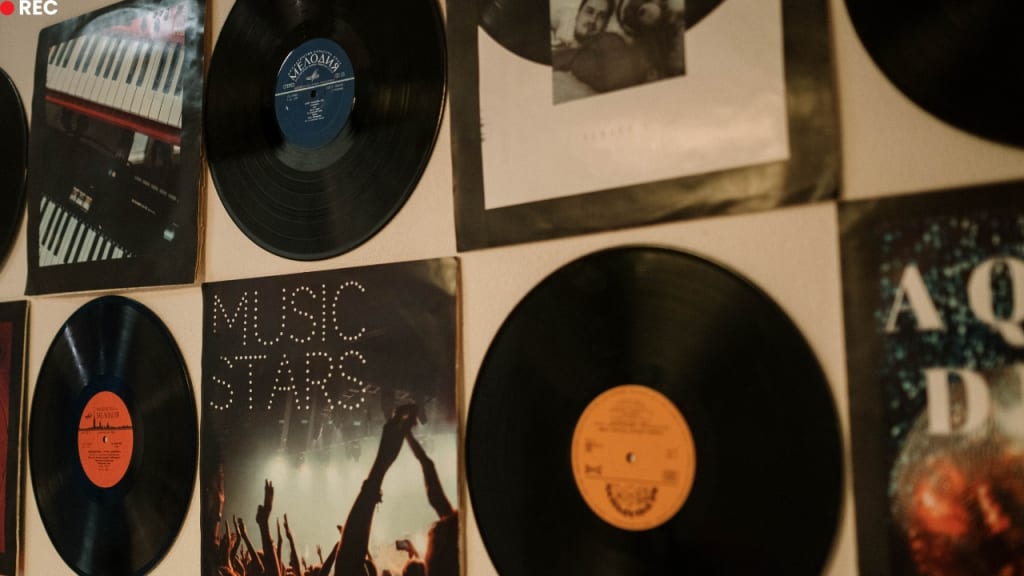
In the world of music, albums that tell a story often leave a lasting impression on listeners. These concept albums, as they are sometimes called, are not just collections of songs, but carefully curated narratives that take the listener on a journey. From Pink Floyd's The Wall to Kendrick Lamar's good kid, m.A.A.d city, some of the most iconic albums have been those that weave a story throughout their tracks. But how do you create a music album that tells a story? This article will explore the art of storytelling through music and provide a step-by-step guide to crafting an album that resonates deeply with your audience.
Choosing a Narrative:
The first step in creating a story-driven album is to decide on the narrative you want to tell. This could be a personal story, a fictional tale, or even a concept based on a theme or emotion. The key is to choose a narrative that you are passionate about and that lends itself well to musical interpretation. Think about the message you want to convey and how you can use music to express that message. Your narrative should have a clear beginning, middle, and end, with each song representing a chapter in the story. Whether you’re telling a linear story or exploring different facets of a theme, having a well-defined narrative will guide your songwriting and production process.
Connecting Your Songs:
Once you have your narrative, the next step is to ensure that each song on the album contributes to the overall story. This doesn’t mean that every song needs to explicitly tell part of the story, but rather that each track should fit within the narrative framework you’ve established. Consider how the songs transition from one to the next—this can be done through lyrical content, musical motifs, or thematic elements. For example, recurring melodies or chord progressions can create a sense of cohesion throughout the album. Additionally, pay attention to the pacing of your story. Just like in a novel or film, there should be moments of tension, resolution, and reflection. Use the dynamics of your music to enhance these narrative arcs.
Lyric Writing Tips:
Lyrics are a powerful tool for storytelling, and when crafting a story-driven album, it’s important to write lyrics that not only fit the music but also advance the narrative. Start by outlining the main points of your story and think about how each song can highlight a specific moment or emotion. Use imagery, metaphors, and symbolism to add depth to your lyrics. It’s also important to consider the perspective from which the story is told—are you speaking directly to the listener, or are you narrating from a character’s point of view? Varying perspectives can add layers to your narrative. Additionally, think about how your lyrics will be delivered—whether through vocals, spoken word, or even instrumental passages that suggest a lyrical theme.
Instrumentation and Arrangements:
The instrumentation and arrangements you choose can significantly impact the storytelling aspect of your album. Different instruments and sounds can evoke different emotions and help to set the scene for your story. For example, a melancholic piano melody might represent a moment of introspection, while a driving drum beat could signal a climactic point in the narrative. Experiment with different sounds and arrangements to find what best conveys the mood and tone of each part of your story. You might also consider using leitmotifs—recurring musical themes associated with particular characters, ideas, or events within your story. These can help to reinforce the narrative and create a more immersive experience for the listener.
Interludes and Transitions:
To create a seamless flow between songs and maintain the narrative’s momentum, consider incorporating interludes and transitions. Interludes can be short instrumental pieces, spoken word segments, or even ambient sounds that bridge the gap between tracks. These can provide context for the following song or serve as a moment of reflection within the album’s narrative. Transitions, on the other hand, are subtle shifts in the music that help one song flow naturally into the next. This could be as simple as carrying over a chord progression or fading out one track as the next begins. Thoughtfully crafted interludes and transitions can enhance the storytelling experience by maintaining the listener’s engagement and preventing the album from feeling disjointed.
Emotional Impact:
One of the most compelling aspects of a story-driven album is its ability to evoke strong emotions in the listener. To achieve this, it’s important to tap into the emotional core of your narrative and express it through your music. Think about how you want your audience to feel at different points in the story and use your musical elements—melody, harmony, rhythm, and dynamics—to convey those emotions. For example, a build-up in intensity might convey rising tension or excitement, while a sudden drop in volume could evoke a sense of loss or emptiness. Additionally, consider how the lyrics, vocal delivery, and instrumental performances all contribute to the emotional weight of the album. By carefully crafting these elements, you can create a powerful, immersive experience that resonates with your listeners on a deep level.
Finalizing the Album:
As you approach the final stages of your album, it’s important to take a step back and view the project as a whole. Listen to the album from start to finish and consider whether the narrative is clear and cohesive. Does each song serve its purpose in the story? Are there any gaps or redundancies in the narrative? If necessary, make adjustments to the track order, lyrics, or arrangements to ensure that the story flows smoothly and effectively. Additionally, think about the album’s artwork and packaging—these visual elements should complement and enhance the story you’ve told through your music. Finally, test your album on different sound systems to ensure that the production quality is consistent and that the emotional impact is preserved across various listening environments.
Conclusion:
Creating a music album that tells a story is a challenging but deeply rewarding process. By carefully crafting a narrative, connecting your songs, writing impactful lyrics, and using instrumentation and arrangements to enhance the story, you can create an album that resonates with listeners on a profound level. Story-driven albums have the power to captivate audiences, creating a lasting impression that goes beyond the individual songs. Whether you’re telling a personal story, exploring a fictional world, or delving into a conceptual theme, your album can become a powerful medium for storytelling through music.
About the Creator
Music Industry Updates
Welcome to Music Industry Updates, your go-to hub for the latest happenings in the music world.
Stay tuned, stay informed, and stay inspired with Music Pulse – where every beat counts.
Keep reading
More stories from Music Industry Updates and writers in FYI and other communities.
How to Build a Music Label from Scratch: A Beginner's Guide
Creating a music label from scratch is a journey filled with passion, creativity, and strategic thinking. It’s an opportunity to shape the music industry, support emerging artists, and build a brand that resonates with audiences worldwide. However, the road to establishing a successful music label is not without its challenges. This comprehensive guide will provide you with the step-by-step blueprint you need to navigate the complexities of launching your own music label, from the initial planning stages to the day-to-day operations.
By Music Industry Updatesabout a year ago in FYI
A Failed Artist, A Disillusioned Poet, An Underpaid Game Show Host
I took my son and niece to Gori, a small town in Georgia where Joseph Stalin was born. They talked me into visiting the Stalin's Museum, the largest in the post-Soviet space. I had resisted going there because I just can't stand the monster and know enough about him, or so I thought.
By Lana V Lynx17 days ago in FYI
The Path to Salvation
The late autumn evening air filled the monk's lungs, but it wasn't the season that chilled his bones. The heavy-handed presence of evil he had sensed upon entering the woods surrounding this mountain village had not bothered to conceal itself from him.
By Made in DNAa day ago in Fiction


Comments
There are no comments for this story
Be the first to respond and start the conversation.