
History of French Wine
Exploring the History of French Wine: From Ancient Times to the Present

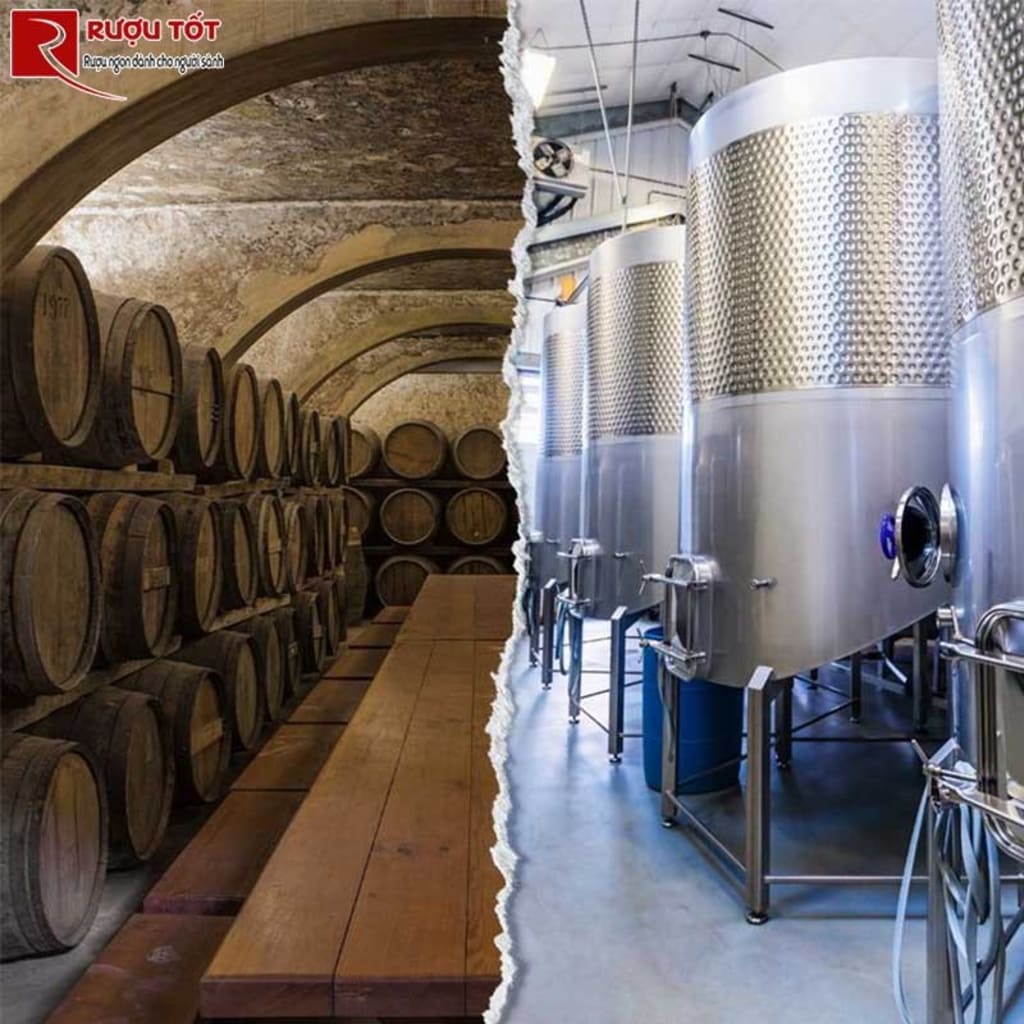
French wine is renowned worldwide not only for its exceptional quality but also for its rich and fascinating history. As a cornerstone of French culture and global winemaking, understanding the evolution of French wine provides valuable insights into its enduring legacy. Join us as we delve into the history of French wine and explore the heritage of one of the world’s most iconic beverage traditions.
Ancient Beginnings: The Origins of French Wine
The history of French wine stretches back to ancient times, with some of the earliest evidence of winemaking found in southern France. Archaeological discoveries suggest that the production of wine began as early as 425 BC. The Greeks, who established the colony of Massalia (modern-day Marseille) in the 6th century BC, are credited with introducing viticulture to the region. They planted vineyards and began producing wine long before the influence of the Romans.
Roman Influence: Expansion and Innovation
The Romans played a crucial role in expanding and refining winemaking practices across France. They introduced advanced viticultural techniques and helped spread the cultivation of grapevines to various regions, including Bordeaux, Burgundy, Alsace, Champagne, Languedoc, the Loire Valley, and Rhone. These regions would later become famous worldwide for their wine production.
Roman innovations in winemaking, such as improved vineyard management and fermentation techniques, laid the groundwork for the future development of French wine. Their efforts in propagating grape varieties and enhancing wine quality helped establish the reputation of French wine as one of the finest in the world.
The Medieval and Early Modern Periods: Growth and Global Reach
During the medieval and early modern periods, French wine began to gain prominence on the international stage. From the 5th to the 15th centuries, France’s wine industry saw significant growth due to a combination of trade, political alliances, and advancements in winemaking. French wine became a symbol of prestige and culture across Europe.
One of the key factors in this expansion was the development of major port cities like Bordeaux, La Rochelle, and Rouen, which facilitated the export of French wine to other European countries. Political alliances, such as the marriage of Eleanor of Aquitaine to Henry Plantagenet in 1152 and the Auld Alliance between France and Scotland in 1295, further boosted the export of French wine to England and Scotland. Bordeaux emerged as a crucial hub in the global wine trade, solidifying its place as a leading wine-producing region.
The relocation of the Papacy to Avignon in the 14th century also had a significant impact on the reputation of regions such as Rhone and Burgundy. The Duchy of Burgundy, in particular, became renowned for its exceptional wines, almost achieving a royal status in the world of wine.
The 19th Century: Challenges and Innovations
The 19th century marked a period of both innovation and challenge for French winemaking. The establishment of classification systems, such as the Bordeaux Classification of 1855 (Grand Cru Classe 1855), provided a framework for evaluating and categorizing wines based on their quality. This system helped shape the future of wine production and set high standards for French wine.
However, this period was also marked by significant challenges, including the arrival of phylloxera, a pest that devastated vineyards across France. The research conducted by Louis Pasteur at the end of the 19th century revolutionized winemaking by emphasizing the importance of quality control and hygiene in wine production. His discoveries led to improved methods of fermentation and preservation, helping the industry recover from the devastation of phylloxera.
The 20th and 21st Centuries: Adaptation and Resilience
As we entered the 20th and 21st centuries, French wine faced new challenges from increasing competition and evolving consumer preferences. The rise of new world wine regions, such as California, Australia, and South America, added pressure to French winemakers. Additionally, the globalization of trade and communication made wines from all over the world more accessible to consumers.
In response, French winemakers embraced innovation and modern technology while maintaining their commitment to traditional methods and terroir. The industry has adapted by incorporating sustainable practices and focusing on new trends, such as organic and low-alcohol wines. Despite these challenges, French wine continues to be celebrated for its elegance and cultural significance, maintaining its esteemed position in the global market.
Top 5 Historic Wine Estates in France
Château de Goulaine – Loire Valley
Château de Goulaine, located in the Loire Valley, boasts over 1,000 years of winemaking history. As one of the oldest family-owned wine producers in Europe, the estate has been producing wine for centuries, with its rich heritage still evident in its offerings.
Abbaye de Saint-Hilaire – Languedoc
Founded in 1150, Abbaye de Saint-Hilaire, a Benedictine monastery in Languedoc, has been making wine for over 870 years. Recognized as a UNESCO World Heritage site in 1998, the abbey remains a symbol of historical winemaking excellence.
Domaine de la Romanée-Conti – Burgundy
Domaine de la Romanée-Conti, established in 1239, is renowned for its prestigious and expensive wines. This Burgundy estate is revered by wine connoisseurs worldwide for its exceptional quality and historical significance.
Château Pape Clément – Bordeaux
Château Pape Clément, founded in 1255 by Pope Clement V, is a prominent name in Bordeaux. With over 760 years of winemaking experience, this estate is known for its high-quality wines and historical legacy.
Château Léoville Poyferré – Bordeaux
Established in 1370 by the Poyferré family, Château Léoville Poyferré is one of the most esteemed wine estates in Saint-Julien-Beychevelle. Its long-standing tradition of winemaking has cemented its reputation as a key player in Bordeaux's wine industry.
Conclusion
The history of French wine is a testament to the enduring legacy, innovation, and passion of winemakers throughout the centuries. Each bottle of French wine tells a story of tradition, culture, and artistry. To learn more about the rich history of French wine, feel free to contact Rượu Tốt for further information and expert guidance.
About the Creator
Rượu Tốt
"Thông tin liên hệ chi tiết:
SĐT: 0971521768
Website: https://ruoutot.net/
Google Maps: https://maps.app.goo.gl/zWkVwy2Ydxgq5xTS8
Youtube: https://www.youtube.com/@ruoutot-ruoubianhapkhau
Địa chỉ: 21 Hoàng Cầu - Đống Đa – Hà Nội
A Failed Artist, A Disillusioned Poet, An Underpaid Game Show Host
I took my son and niece to Gori, a small town in Georgia where Joseph Stalin was born. They talked me into visiting the Stalin's Museum, the largest in the post-Soviet space. I had resisted going there because I just can't stand the monster and know enough about him, or so I thought.
By Lana V Lynx29 days ago in FYI
Google Leaks Its Aluminium OS That Could Replace Your Laptop
Key Points: A leaked video shows Google testing a new operating system called “Aluminium OS,” designed for PCs using Android. The leak hints at a possible expansion of Android beyond smartphones and tablets. The video reveals an interface similar to Android but optimized for larger screens and desktop navigation. Experts caution the leak may not represent a finalized product and features could change. Google has not officially commented on Aluminium OS.
By Aboah Okyere7 days ago in FYI



Comments (1)
Well done.