
Has St. Patrick’s Day Been Reclaimed by Pagan Mythology?
The Wild Spirit of St. Patrick’s Day: How Paganism Survived Through Celebration.
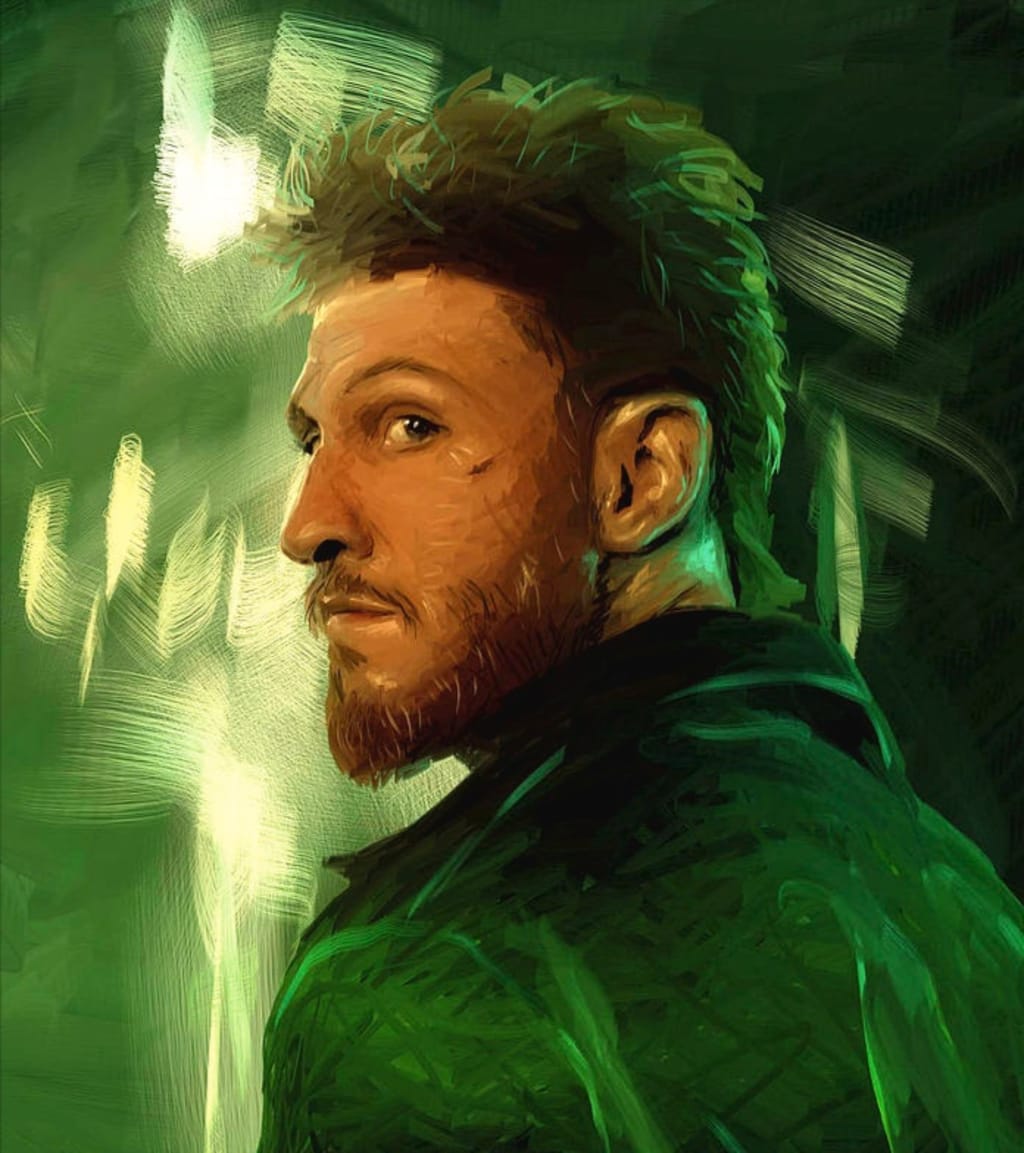
St. Patrick’s Day is widely celebrated around the world as a day to honour St. Patrick, the Christian missionary who brought Christianity to Ireland. People wear green, enjoy parades, and indulge in festive revelry. But what if this modern celebration has less to do with the saint and more to do with ancient Irish mythology? Could it be that the wild, nature-bound, and chaotic spirit of pre-Christian Ireland has found a new expression in this holiday? Let’s explore how St. Patrick’s Day may have been subtly reclaimed by paganism—especially through the influence of the mythical figure, Buile Shuibhne.
The Saint vs. The Mad King: Christianity and Paganism Clash.
St. Patrick’s legacy in Ireland is one of conversion and order. The missionary saint is credited with driving out the pagans and introducing Christianity to the Emerald Isle. One of the most famous stories is how he used the shamrock—a three-leafed clover—as a symbol to explain the Holy Trinity to the Irish. The shamrock became a symbol of Christian faith and has since become one of the central icons of St. Patrick’s Day.
However, in the same way that Christmas and Easter absorbed elements of older pagan traditions, St. Patrick’s Day seems to have undergone a similar transformation. Over time, the holiday has shifted from a religious observance to a secular celebration filled with drinking, parades, and luck. Could this wild spirit of revelry be the influence of something much older?
Buile Shuibhne: The Mad King Who Embraced the Wild.
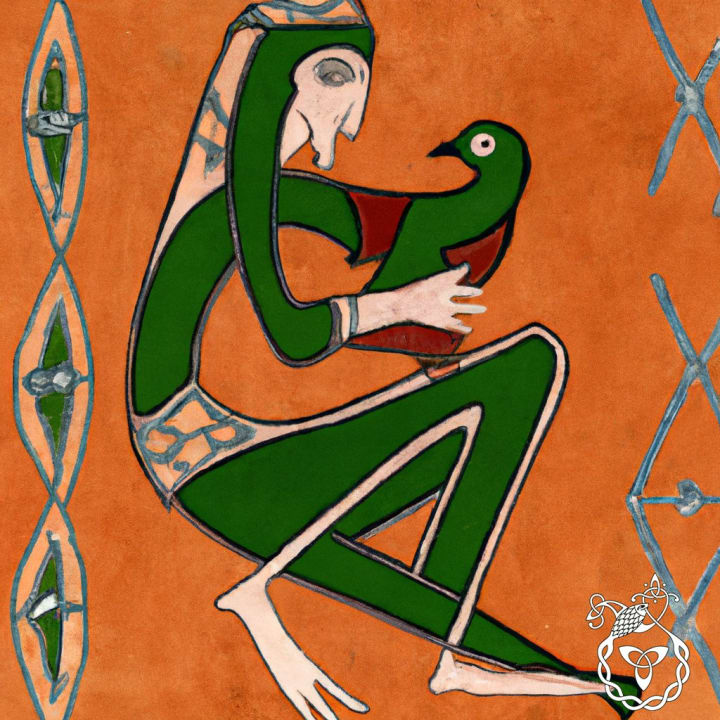
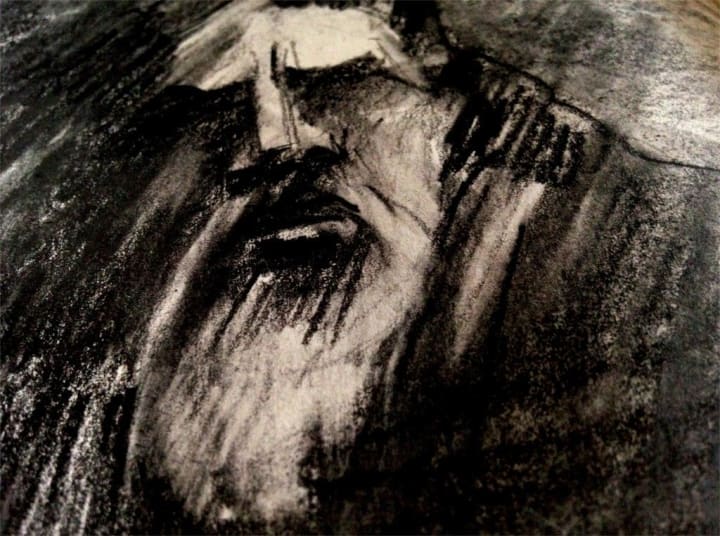
To understand the possible pagan roots of St. Patrick’s Day, we must look at the figure of Buile Shuibhne, or Mad Sweeney. In Irish mythology, Shuibhne was a king who was cursed by the saint St. Ronan and driven into madness. As a result, Shuibhne lived as an exile, wandering the Irish wilderness, experiencing life as a bird-like creature, and deeply connected to nature’s forces.
Shuibhne’s life is a story of wildness, chaos, and exile—themes that are deeply rooted in Celtic paganism. Unlike St. Patrick, who sought to bring order and faith, Shuibhne embraced the untamed forces of nature, an embodiment of the wild spirit that existed in Ireland before the spread of Christianity. It is this spirit that seems to persist in the modern celebration of St. Patrick’s Day. His tragic and untamed existence embodies the natural forces that thrive on the margins, much like the themes that have come to define the way people now celebrate St. Patrick’s Day.
The Shamrock: Christian Symbol or Pagan Relic?
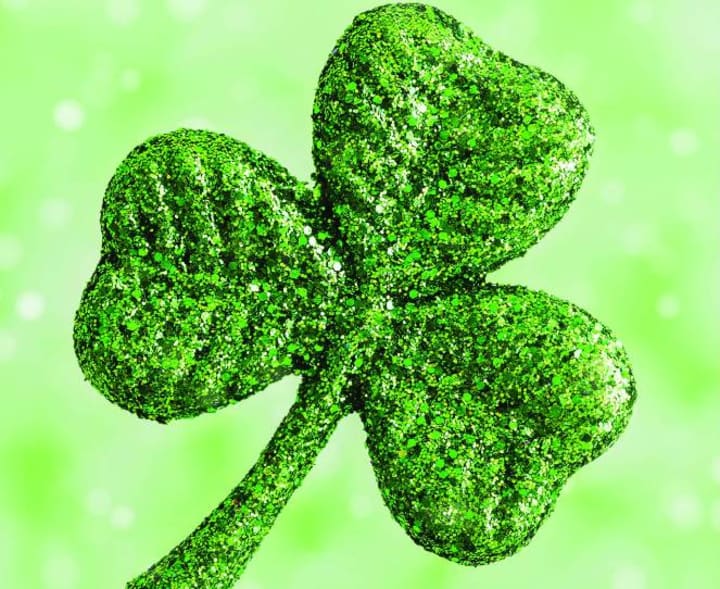
One of the most iconic symbols of St. Patrick’s Day is the shamrock, which is traditionally associated with St. Patrick’s teachings on the Christian Trinity. However, before Patrick, the shamrock was already a sacred plant in pre-Christian Ireland. It was thought to symbolize the triple goddess, a central figure in Celtic spirituality, and also represented the cycles of life and nature.
Over time, the shamrock evolved into a symbol of good luck, a concept tied to pagan superstitions about nature’s power. The association of the shamrock with luck rather than faith in the modern era suggests that the holiday has embraced older, pre-Christian themes. Instead of solely representing the Holy Trinity, the shamrock now also serves as a lucky charm, mirroring the nature-based spirituality of ancient Irish traditions.
A Day of Revelry: Echoes of Pagan Festivals.
The modern celebration of St. Patrick’s Day is filled with revelry and chaos, including drinking, parades, and general wild behavior. These themes of excess and freedom from restraint might seem far removed from the Christian piety that St. Patrick likely intended for the holiday. Instead, they resemble ancient Celtic festivals, like Samhain and Beltane, which celebrated the changing of the seasons, fertility, and the wild forces of nature.
The wildness of these ancient festivals often involved mischief and chaos, much like the behavior encouraged on St. Patrick’s Day. The Irish people would come together, share in the bounty of the harvest, and honor the forces of nature. Similarly, St. Patrick’s Day, with its emphasis on luck, green clothing, and nature symbolism, could be seen as an echo of these older, pre-Christian rituals, celebrating the same wild forces of nature.
Leprechauns and the Trickster Spirit.
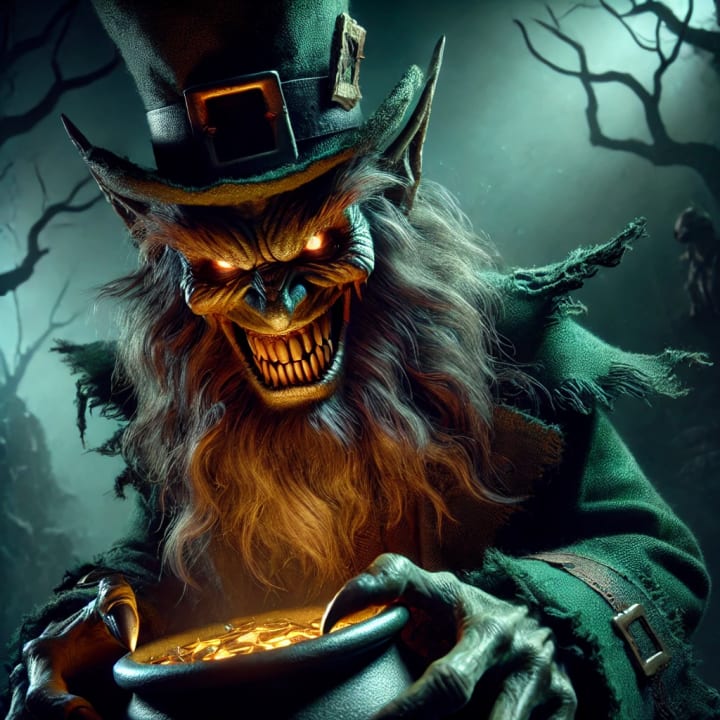
Central to St. Patrick’s Day is the image of the leprechaun, a mischievous little creature associated with both luck and trickery. Leprechauns are often depicted as gold-hoarders and nature spirits, further linking St. Patrick’s Day to pagan folklore. Much like Buile Shuibhne, who was cursed to live in the wild, leprechauns represent the wild, unpredictable side of nature that cannot be tamed.
While St. Patrick’s Day is supposed to honor a saint who brought order to the land, the holiday’s focus on leprechauns, luck, and nature spirits suggests that the chaotic energy of pagan myths still influences how we celebrate the day. The trickster, much like Shuibhne’s madness, stands outside of societal order, representing anarchy, freedom, and unpredictable forces—an idea that once belonged to the ancient gods.
Conclusion: Has St. Patrick’s Day Been Reclaimed by Pagan Mythology?
St. Patrick’s Day, originally intended as a Christian feast day, has slowly morphed into a celebration that embraces the wildness, luck, and chaos of pre-Christian Ireland. From the shamrock’s dual symbolism to the leprechaun’s trickster energy, elements of pagan mythology appear to have found new life within this holiday. Whether it’s the wildness of Buile Shuibhne or the ancient festivals of the Celts, the spirit of nature, chaos, and renewal seems to have reclaimed St. Patrick’s Day. So, when we celebrate with green beer and festive parades, perhaps we are not only honoring St. Patrick—but also the untamed spirit of the old gods.
Stay Connected.
If you enjoyed this content and want to explore more insights like this, consider subscribing to my page. Your support helps me continue creating meaningful content. If you feel led to, you can also leave a tip as a token of appreciation. Thank you for being part of this journey!
About the Creator
A Planetary Alignment will coincide with Mercury Retrograde
Double phenomena in the heavens Some people say in jest that the planets have aligned in their favor when life works the way they desire. Were you aware that there are seasons when things do line up in the heavens? There will be a planetary alignment AKA a planet parade, on February 28, 2026.
By Cheryl E Preston15 days ago in FYI



Comments