
German-Americans, what kind of existence is it?
The second largest city in Germany after the capital, called Hamburg

The second largest city in Germany after the capital is called Hamburg. But compared to Berlin, it is much more developed and affluent.
An ancient city with more than 1,000 years of history and numerous Renaissance-style buildings, it is one of the oldest cities in Germany and the busiest port in Germany today.
Unsurprisingly, this city, one of the richest in Europe today, belonged, of course, to West Germany (the western part of Germany after World War II, which was under American occupation, and East Germany, which was under Soviet occupation) before the Berlin Wall came down.
The name of the city ...... It's called "Hamburg".
That's right, America's favorite hamburger (Hamburger), comes from the German city of Hamburg (Hamburg).
In the mid-19th century, people living here like to pound beef into patties to eat, and then as the Germans immigrated to the Americas, this way of eating was also spread to North America.
It is well documented that in 1836, a dish named "Hamburg steak" appeared on American menus, and in a 1902 cookbook, ground beef and onions were mixed with pepper to make Hamburg steak, which is close to today's burgers.
By the late 1900s, Americans had improved the Hamburg steak and brought it to fast food restaurants, giving rise to today's beloved Hamburger. So, the earliest burgers were beef-filled, and the chicken burgers at McDonald's and KFC were a new breed invented later.
The influence of German immigrants on today's America can be more than just hamburgers (hamburgers), such as kindergarten, deli, beef sausage, and hamburgers, in other words, all from the German language. The Konestoga caravans used by the American pioneers westward across the prairies were made by German descendants who lived there in the Conestoga Valley of Pennsylvania. The Kentucky rifles used by the American frontiersmen at that time were also made by Germans. The Christmas tree, originally a traditional German Christmas ornament, has since become an American tradition as well. Today American social life is reflected everywhere from Germany, which is of course influenced by the German immigrants over the centuries.
Germany in the modern sense (the concept of a unified nation) is only about 100 years old, and it was not until 1871 that Prussia, Bavaria, Baden, Mecklenburg, Hesse and other Germanic regions were unified into Germany (the German Empire) by Otto von Bismarck.
Before that, however, the migration of German people to North America began. The earliest large-scale German immigrants arrived in the 1680s in the area of present-day New York and Pennsylvania. The influx of German immigrants continued in the 19th century and culminated between 1840 and 1900. From then until today, at least 8 million Germans have immigrated to the United States. Of course, the reasons for Germans coming to the United States varied from time to time, ranging from land, religion, war, or political persecution in the early years to more personal development in the later years. In short, any ethnic group immigrated to seek a better chance of survival in the present.
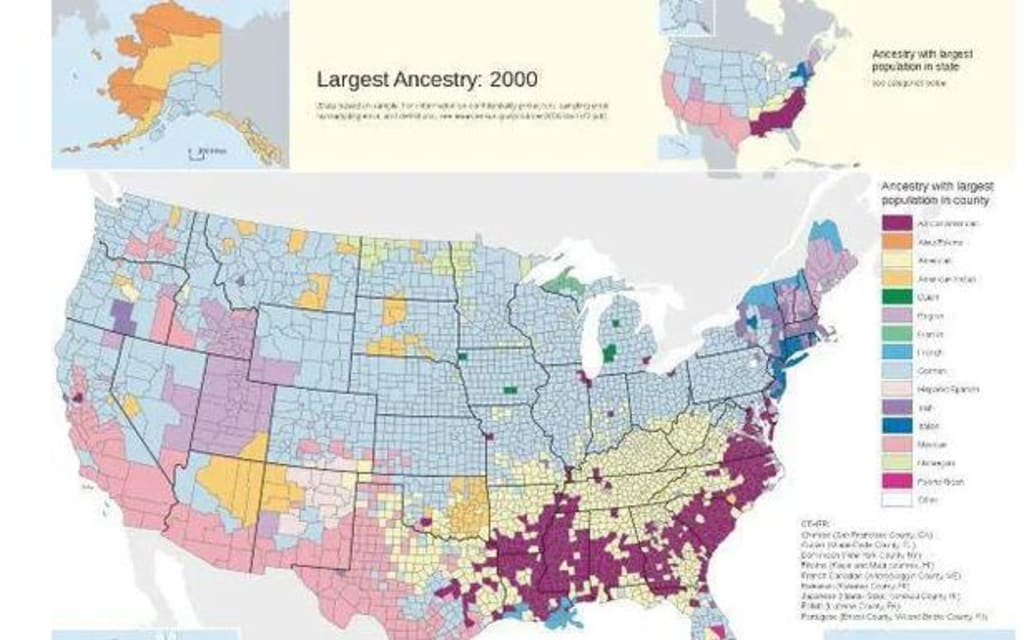
Germans are now the number one ethnic group in the United States, with a total of more than 50 million Americans identifying their direct ancestors as German. At least 60 million Americans are of German ancestry, accounting for just under 18 percent of the total U.S. population.
Where are people of German descent now located in the United States?
Germans have been living in North America for 400 years, so today there are people of German descent in every state in the United States, however, the highest concentration is in California, Pennsylvania, and the New York area. It is easy to understand that the latter two are where Germans first set down roots, and California is today the most developed state in the United States, well suited for good Germans.
German immigrants have played a major role in American history, and not because they are the most numerous. Germans have contributed to and influenced present-day America in the fields of industry, education, military affairs, and dining.
Bausch + Lomb, the world's premier developer of optical instruments and contact lenses, was founded by the Germans. Budweiser was founded by Adolphus Busch, who was of German descent. The long-span cable-stayed bridge was worked out by a German-born engineer. The fields of steel, automobiles (Mercedes, BMW, Porsche, and Audi are all German companies), lumber, chocolate, and oil in the United States were all started by Germans.
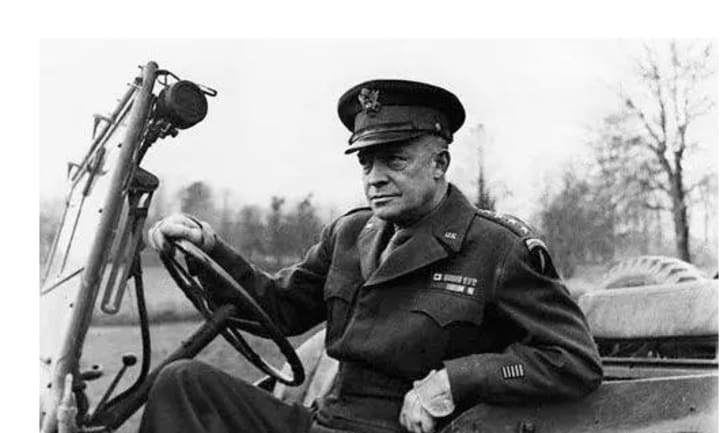
The warlike Germans have also produced several generals and marshals in the United States who have gone down in war history. Two of the highest achievers were John Pershing, a World War I general extraordinaire (above a five-star general), and Eisenhower, a five-star general in World War II.
Ironically, both of these German-born generals led the U.S. Army, which defeated Germany in two separate World Wars.
Four other U.S. presidents have been born of German descent, and they are
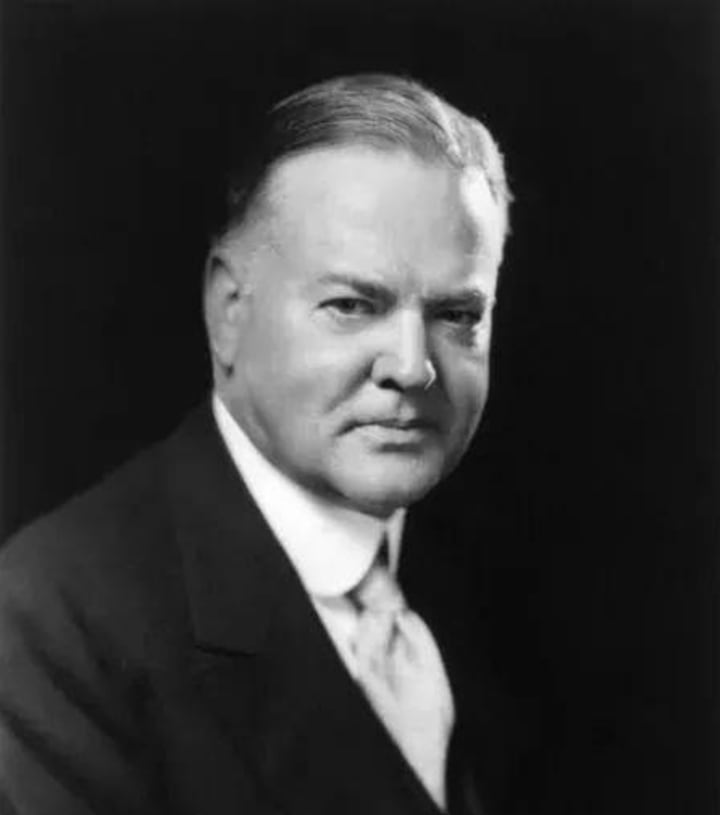


The Germans are the best representatives of reason and rigor among the human race, although they are sometimes judged as "rigid" for this reason.
But it is the spirit of excellence and meticulousness that has led to their technological and industrial excellence.
One of the best contemporary German poets, Jan Wagner, wrote the phrase: "In the smallest space, embrace the greatest freedom" as if to sum up the essence of the German nation.
About the Creator
Cindy Dory
When you think, act like a wise man; but when you speak, act like a common man.
Keep reading
More stories from Cindy Dory and writers in FYI and other communities.
A Planetary Alignment will coincide with Mercury Retrograde
Double phenomena in the heavens Some people say in jest that the planets have aligned in their favor when life works the way they desire. Were you aware that there are seasons when things do line up in the heavens? There will be a planetary alignment AKA a planet parade, on February 28, 2026.
By Cheryl E Preston16 days ago in FYI




Comments
There are no comments for this story
Be the first to respond and start the conversation.