
From Concept to Creation: Designing Your First Music Album Cover
Designing Your First Music Album Cover

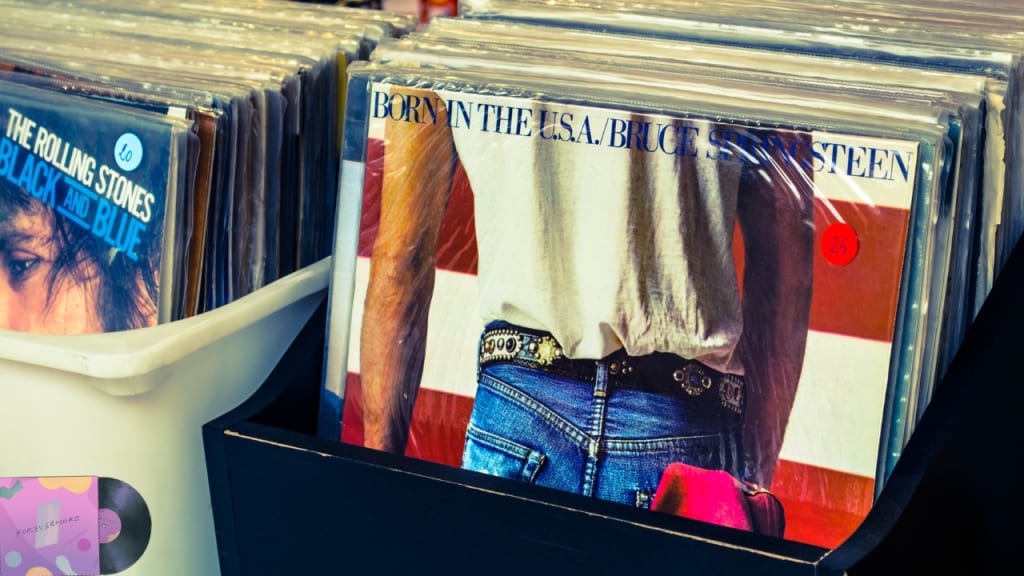
Designing your first music album cover is an exciting milestone in your musical journey. It’s your opportunity to visually communicate the essence of your music and make a strong first impression on potential listeners. An album cover isn’t just packaging; it’s a piece of art that represents your work and can significantly influence how your music is perceived. Whether you’re an independent artist taking a DIY approach or collaborating with a professional designer, the process of creating your first album cover is both a creative challenge and a rewarding experience. This article will guide you through every step, from conceptualizing your ideas to bringing them to life, ensuring that your album cover not only looks professional but also resonates with your audience.
Defining Your Album’s Theme:
The first step in designing your album cover is defining the central theme of your album. This theme should be the foundation of your design, guiding every visual decision you make. Start by asking yourself: What is the main message or story of your album? What emotions do you want to evoke in your listeners? For example, if your album is about love and heartbreak, your cover might feature soft, melancholic imagery. If it’s a high-energy rock album, bold colors and dynamic graphics could be more appropriate. Take some time to write down the key themes and emotions of your album. This will help you stay focused and ensure that your cover aligns with the music inside.
Mood Boards and Sketches:
Once you’ve defined your album’s theme, it’s time to gather visual inspiration and start sketching out your ideas. Creating a mood board is a great way to explore different visual elements that could work for your cover. A mood board is a collage of images, colors, textures, and typography that represent the aesthetic you’re aiming for. You can create a physical mood board using magazines and printed images, or a digital one using platforms like Pinterest or Canva. As you collect images, think about how they connect to your album’s theme and mood. After gathering enough inspiration, start sketching your ideas. Don’t worry about making perfect drawings; the goal is to get your thoughts on paper and explore different concepts. Sketching allows you to experiment with composition, layout, and design elements before committing to a final design.
Selecting Visual Elements:
With your theme defined and initial sketches in hand, it’s time to select the visual elements that will bring your album cover to life. These elements include imagery, color schemes, typography, and any additional graphics or symbols.
Imagery: The imagery on your album cover should be directly related to the album’s theme. This could be a photograph, an illustration, or an abstract design. For instance, if your album is personal and introspective, you might choose a close-up portrait or a symbolic image that represents your journey. If it’s a concept album, the imagery could reflect the storyline or key motifs in the music. Ensure that the image you choose is high-quality and visually striking.
Color Schemes: Colors play a crucial role in setting the tone for your album. Different colors evoke different emotions—red is often associated with passion and energy, while blue can convey calmness and melancholy. Choose a color palette that aligns with the mood of your music. You might want to use complementary colors for a harmonious look or contrasting colors for something more vibrant and attention-grabbing.
Typography: The font you use for your album title and artist name is another important visual element. Typography should be legible, even at smaller sizes, and should reflect the genre and tone of your music. For example, a heavy metal album might use a bold, angular font, while an indie folk album could use a hand-drawn, rustic typeface. Make sure the typography complements the overall design without overpowering it.
DIY vs. Hiring a Professional:
One of the key decisions you’ll need to make is whether to design the album cover yourself (DIY) or hire a professional designer. Both approaches have their pros and cons, and the right choice depends on your budget, skills, and vision.
DIY: If you have a clear vision and some design skills, a DIY approach can be a cost-effective option. There are many tools available, such as Canva, Adobe Spark, or GIMP, that allow you to create professional-looking designs without needing advanced skills. DIY also gives you full creative control, ensuring that the final product aligns perfectly with your vision. However, DIY design can be time-consuming, and if you’re not confident in your abilities, the result may not be as polished as you’d like.
Hiring a Professional: If your budget allows, hiring a professional designer can be a great investment. A professional brings expertise, creativity, and technical skills that can elevate your album cover to the next level. They can take your ideas and translate them into a visually stunning design that’s both unique and professional. When hiring a designer, be sure to provide them with a detailed brief, including your theme, mood board, and any specific elements you want to include. Collaborating with a designer allows you to focus on your music while they handle the visual side of things.
Conclusion:
Your album cover is more than just a visual—it's a reflection of your artistic identity. Designing your first music album cover is a creative journey that requires thoughtful planning, experimentation, and attention to detail. By defining your album’s theme, gathering inspiration, selecting the right visual elements, and refining your design, you can create a cover that not only looks great but also resonates with your audience. Whether you choose to design it yourself or work with a professional, the effort you put into your album cover will pay off, making it a key element in your music’s success.
About the Creator
Music Industry Updates
Welcome to Music Industry Updates, your go-to hub for the latest happenings in the music world.
Stay tuned, stay informed, and stay inspired with Music Pulse – where every beat counts.
Keep reading
More stories from Music Industry Updates and writers in FYI and other communities.
Creating Fanlinks: Connecting Your Music with Fans Seamlessly
In today’s fast-paced digital landscape, musicians are constantly seeking innovative ways to connect with their audience. With multiple streaming platforms, social media channels, and online stores, it can be challenging to direct fans to the right place to support your music. Enter the fanlink — a simple yet powerful tool that consolidates all your music links into one easy-to-share URL. Fanlinks have become essential for artists looking to streamline their promotional efforts and maximize their reach. In this comprehensive guide, we will explore the ins and outs of fanlinks, why they are crucial for your music career, and how you can create one that truly resonates with your audience.
By Music Industry Updatesabout a year ago in FYI
A Failed Artist, A Disillusioned Poet, An Underpaid Game Show Host
I took my son and niece to Gori, a small town in Georgia where Joseph Stalin was born. They talked me into visiting the Stalin's Museum, the largest in the post-Soviet space. I had resisted going there because I just can't stand the monster and know enough about him, or so I thought.
By Lana V Lynx17 days ago in FYI


Comments
There are no comments for this story
Be the first to respond and start the conversation.