
Florida CNA Practice Kit: What’s Inside and How to Use It
Florida CNA Practice Kit: What It Includes and How to Make the Most of It

Good practice feels like a test day when the setup is simple and repeatable. Florida CNA candidates progress faster when home sessions mirror the skills exam: the same tools, the same steps, the same timing. A CNA Practice Kit turns that idea into a routine. Each item supports a scored skill, so every run build accuracy and confidence. Set a small station, follow a checklist, time the sequence, and log results. When a step slips, write a one‑line fix and try again. Over a few sessions, movements get smoother, and choices get faster. Pair the kit with the online CNA prep course in Florida or certified nursing assistant training in Florida for structured feedback.
Hand hygiene and indirect care
- Use: Wet–soap–scrub 20 seconds–rinse–dry; turn off faucet with a clean towel; announce, ensure privacy, safety, and comfort at the start and end of every skill.
- Practice tips: Keep a timer at the sink; say steps aloud to hold sequence; rehearse entry/exit cues.
- Self-check: Scrub time ≥20 seconds; no recontamination; all critical cues verbalized.
Gloves and a clean field
- Use: Don before contact; remove without touching the exterior; replace if contaminated; line surfaces to separate clean and dirty zones.
- Practice tips: Drill glove removal three times without snap or skin contact; swap barriers between tasks.
- Self-check: Proper disposal; fresh barrier in place; field remains organized.
Pulse and respirations
- Use: Count pulse for 60 seconds; count respirations for 60 seconds without signaling; document immediately and legibly.
- Practice tips: Do five back-to-back counts; compare values to detect drift; adjust technique if variation persists.
- Self-check: Within acceptable tolerance on re-count; total time under two minutes, including documentation.
Intake and output (I/O)
- Use: Read meniscus at eye level; pour without splash; record to required rounding and units.
- Practice tips: Mark common volumes on the graduate; rehearse steady pours with paper towels under the field.
- Self-check: Accurate reading; clean pour; timely, legible entry with units.
Oral and denture care
- Use: Line the sink; clean dentures and oral cavity; rinse, dry, store dentures in a labeled cup with cool water; maintain dignity and infection control.
- Practice tips: Keep a mini sequence card at the sink; rehearse glove changes and sink lining.
- Self-check: Sink lining present; full surface coverage; no cross-contamination.
Hand and foot care
- Use: Soak; wash, rinse, and dry thoroughly; dry between toes for foot care; apply lotion and remove excess; protect linens.
- Practice tips: Place a dry towel under limbs to spot leaks; verbalize skin checks during practice.
- Self-check: Water temperature checks verbalized; skin assessment verbalized; linens stay dry.
Partial bed bath and peri/catheter care
- Use: Check water temperature; work clean to dirty; for perineal care use front-to-back strokes; change cloth sides; secure catheter; avoid tugging.
- Practice tips: Rehearse stroke direction with arrows on a note card; narrate “clean to dirty” while working.
- Self-check: Correct stroke direction; catheter secure and below bladder level; privacy and comfort affirmed.
Bedpan placement and removal
- Use: Align hips; place and remove without spillage; raise head of bed if allowed; provide wipes and tissue; ensure post-care hand hygiene.
- Practice tips: Drill pan angle and sheet handling; stabilize pan during removal; rehearse head-of-bed adjustment.
- Self-check: No leakage; proper positioning; post-care hand hygiene complete.
Urinary drainage measurement
- Use: Open clamp; drain into graduate without contact; measure at eye level; close clamp; re-secure below bladder level; document output.
- Practice tips: Speak each step—clamp, drain, measure, re-secure, record—to lock sequence.
- Self-check: No contact contamination; accurate reading; clamp and secure steps complete; units recorded.
The final word
A CNA Practice Kit turns home time into reliable skill, timing, and confidence. For added structure, pair the kit with an Online CNA Prep Course in Florida that uses official checklists, timed drills, and simple practice logs. If live guidance helps, consider Certified Nursing Assistant training in Florida with skill labs and graded mock runs. Before enrolling, ask for a contents list, a skills-to-items map, and a sample practice log. To explore a practical, test-ready approach and request a starter checklist, visit platforms such as Elite Medical Academy and review course options that fit the next exam window.
About the Creator
Keep reading
More stories from Travis Anderson and writers in FYI and other communities.
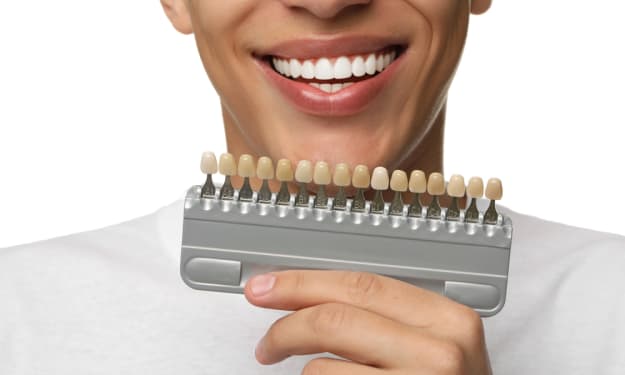
What Are the Benefits of Veneers in Miami Florida?
A confident smile can be life-changing, and for many people, cosmetic dentistry provides the solution to achieving it. Among the most popular cosmetic treatments today are dental veneers—thin, custom-made shells that cover the front surface of teeth to enhance their appearance. In a city like Miami, where aesthetics often goes hand-in-hand with lifestyle, veneers are a sought-after choice for those looking to perfect their smile. But beyond appearance, veneers offer numerous advantages that make them a worthwhile investment.
By Travis Anderson4 months ago in FYI
A Failed Artist, A Disillusioned Poet, An Underpaid Game Show Host
I took my son and niece to Gori, a small town in Georgia where Joseph Stalin was born. They talked me into visiting the Stalin's Museum, the largest in the post-Soviet space. I had resisted going there because I just can't stand the monster and know enough about him, or so I thought.
By Lana V Lynx19 days ago in FYI
Why Hiring Laravel Developers Still Matters?
In an era dominated by rapid digital transformation, businesses rely heavily on software to stay competitive, responsive, and relevant. From customer-facing platforms to internal tools, the quality of software development directly affects efficiency and growth. One technology that continues to play a vital role in this ecosystem is Laravel, a widely used PHP framework known for its balance of simplicity and power.
By Wama Sompura3 days ago in FYI



Comments
There are no comments for this story
Be the first to respond and start the conversation.