
Exploring the Rich History of Indian Culture
Discover the Fascinating Heritage of India: An Exploration of India's Rich Cultural History. Discover the Fascinating Heritage of India: An Exploration of India's Rich Cultural History
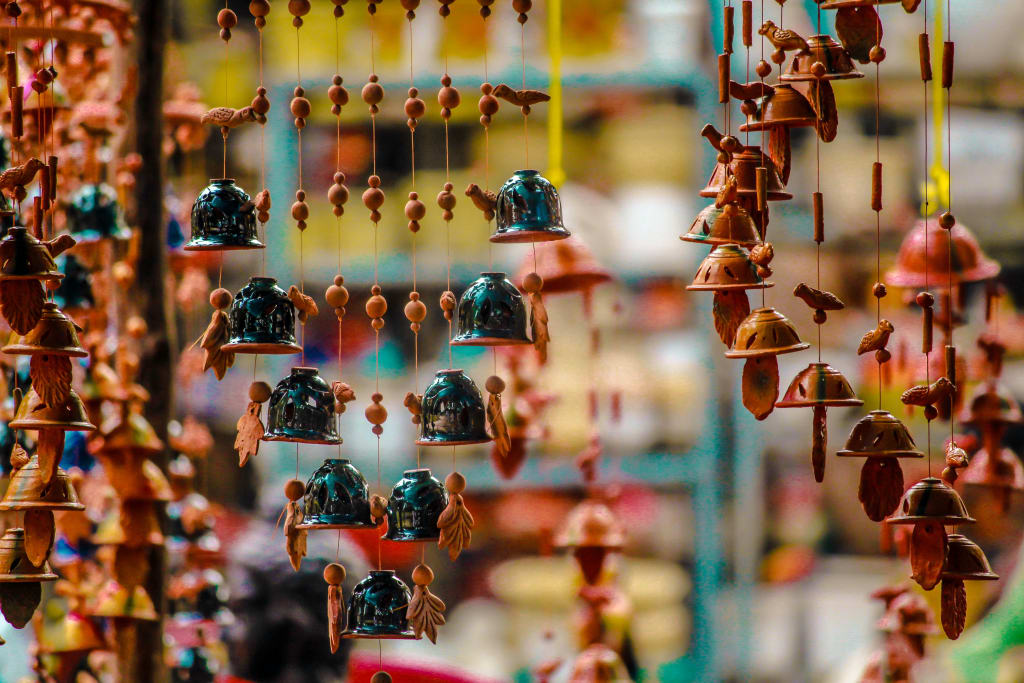
Indian culture is one of the oldest and most diverse cultures in the world. It has a rich and unique history that spans thousands of years and has been shaped by a variety of different influences. From the ancient Indus Valley civilization to the modern-day Indian subcontinent, Indian culture has evolved and adapted to the changing times. Come join me on the fascinating journey of exploring the rich history of Indian culture.
Indian Dynasties
India has a long and rich history, and its dynasties have played a major role in shaping the country’s culture and politics.
From the Maurya Empire in the 4th century BC to the Mughal Empire in the 16th century, Indian dynasties have had a lasting impact on the region. The Gupta Empire, which ruled from the 4th to the 6th century AD, is considered to be a golden age of Indian culture and art.
The Chola Dynasty, which ruled from the 9th to the 13th century, was responsible for the spread of Hinduism and the development of the Tamil language.
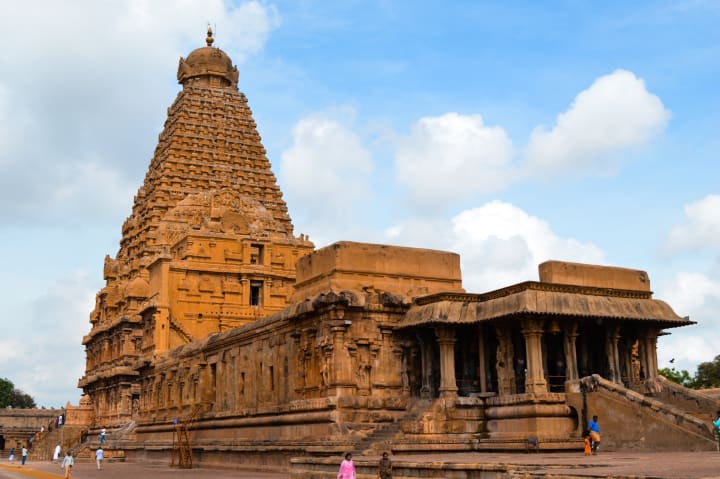
The Mughal Empire, which ruled from the 16th to the 19th century, was responsible for the introduction of Islamic culture to India, and the growth of the Mughal court.
Indian Religion
India is a country with a diverse religious history. Hinduism is the most prominent religion in India, with more than 80% of the population following it. Hinduism is a polytheistic religion, with millions of gods and goddesses, each representing a different aspect of the divine. The ancient scriptures of Hinduism, the Vedas, are believed to be the oldest religious texts in the world.

The most important gods in Hinduism are Brahma, Vishnu, and Shiva. Brahma is the creator of the universe, Vishnu is the preserver of the universe, and Shiva is the destroyer of the universe. These three gods are known as the Trimurti, or the Hindu trinity.
According to the 2011 census, 79.8% of the population of India practices Hinduism, 14.2% adheres to Islam, 2.3% adheres to Christianity, 1.7% adheres to Sikhism, 0.7% adheres to Buddhism (Buddhism originated in India, and is based on the teachings of Siddhartha Gautama, the Buddha) and 0.4% adheres to Jainism.
Indian Arts, Music & Dance
Dance is a form of art that has been around for centuries. It is a vibrant and expressive form of movement that has been used to tell stories, express emotions, and celebrate important events. Indian dance is a form of communication that has been used to express joy, sorrow, and everything in between. The most popular styles are Bharatnatyam, Kathak, and Kuchipudi. Each style has its own distinct flavor and flavor of movement, and each style has its own unique way of expressing emotion.
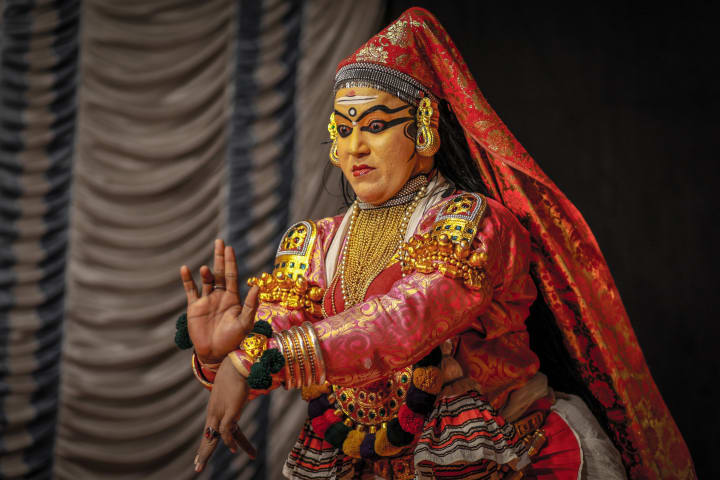
Music is an integral part of Indian culture and has been used for centuries to express emotion, tell stories, and even to heal. Indian music is incredibly diverse, with various regional styles, instruments, and vocal techniques. Indian classical music is one of the oldest forms of music and is based on ragas, or melodic scales, and talas, or rhythmic cycles. This music is often performed in concerts, with musicians playing instruments such as the sitar, tabla, and sarod. Indian folk music is also popular, with different styles depending on the region.
Art dates back to the prehistoric era. Indian art is divided into two main categories: classical and folk. Classical art is usually associated with Hinduism and Buddhism, while folk art is more associated with rural life. Indian art is known for its vibrant colors, intricate designs, and beautiful sculptures. From miniature paintings to intricate carvings, Indian art has something for everyone.
Indian Cuisine
Indian cuisine is a delicious and diverse array of flavors, spices, and ingredients.

It is known for its use of aromatic spices and herbs, as well as its wide variety of dishes. Indian cuisine is heavily influenced by its culture, geography, and climate, allowing for a unique and flavorful experience. The food is often cooked in a variety of ways, such as baking, frying, and steaming. Dishes can range from mild to spicy, and vegetarian to non-vegetarian. Popular dishes include curries, dals, tandoori, and biryani. Indian cuisine is also known for its unique desserts, such as gulab jamun, rasmalai, and jalebi. With its vibrant flavors and variety of dishes, Indian cuisine is sure to please any palate.
Indian Festivals
India is a land of diverse culture and traditions. Every year, many festivals are celebrated in India with great enthusiasm and joy. These festivals are celebrated with great fervor and gaiety, and bring people together to celebrate the spirit of unity and brotherhood. Some of the most popular festivals celebrated in India include Diwali, Holi, Dussehra, Ganesh Chaturthi, Pongal, Onam, Navratri, Raksha Bandhan, and Baisakhi.
Diwali is one of the most important festivals celebrated in India. It is also known as the ‘Festival of Lights’ and marks the victory of good over evil. People light diyas, candles, and lamps to signify the victory of light over darkness. Holi is another popular festival celebrated in India.
Indian Clothing
India is known for its vibrant and colorful clothing. Indian clothing is usually very bright and colorful, and is often made of fabrics such as silk, cotton, and linen. The traditional clothing for men is the dhoti, a long piece of unstitched cloth, and the kurta, a long shirt. Women traditionally wear the sari, a long piece of unstitched cloth draped around the body in various styles, and the salwar kameez, a two-piece outfit consisting of a tunic top and loose-fitting trousers. Indian clothing is often adorned with intricate embroidery and embellishments, and is often accessorized with jewelry, scarves, and other items.
Indian Language
India is a country with a rich cultural history and a wide variety of languages. There are over 780 officially recognized languages in India, with the majority of them belonging to the Indo-Aryan and Tamil (or) Dravidian language families. Hindi is the most widely spoken language in India, with over 41% of the population speaking it as their first language. Other widely spoken languages include Tamil, Bengali, Telugu, Marathi, Gujarati, Urdu, Kannada, and Malayalam. Each of these languages has its own unique history and is spoken by a large population of Indians.
In addition to the major languages, there are many other languages spoken in India, such as Sanskrit, Bhojpuri, Konkani, Assamese, Sindhi, and Punjabi. These languages are spoken by smaller populations, but still have a significant impact on the culture of India. Many of these languages are also used in literature, music, and other forms of art.
Tamil and Sanskrit were considered to be the oldest languages, and they were declared classical languages.
Indian Architecture
Indian architecture is an incredible blend of ancient and modern styles, with influences from all over the world. From the majestic Taj Mahal to the intricate temples of South India, Indian architecture is a testament to the country’s rich history and culture. The ancient architectural styles of India are characterized by the use of brick and stone, as well as intricate carvings and sculptures.
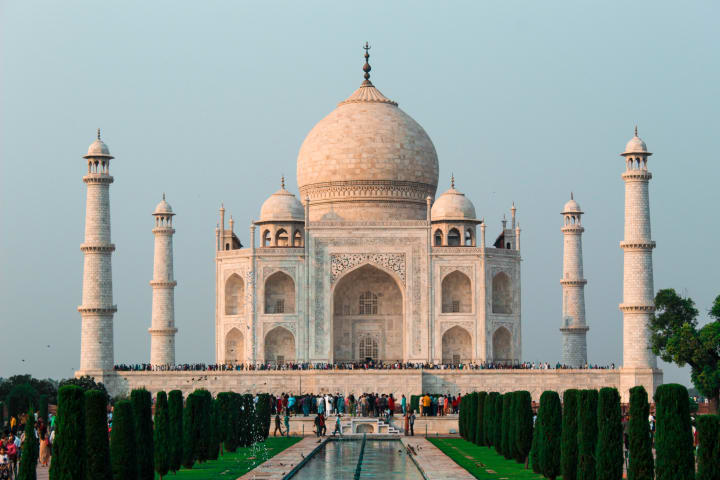
The most iconic examples of ancient Indian architecture are,
- Taj Mahal, a stunning white marble mausoleum built in the 17th century by Emperor Shah Jahan.
- The Tanjore Temple, also known as the Brihadeeswara Temple, is a stunning example of the Chola Dynasty's architectural genius.
- Other examples of ancient Indian architecture include the Red Fort in Delhi, the Sun Temple in Konark, and the Ajanta and Ellora Caves.
In modern India, architects have taken inspiration from traditional styles and combined them with contemporary designs.
Indian culture is a unique blend of many influences, from ancient traditions to modern customs. Indian culture is a complex mix of diverse religions, languages, and customs, and it has played an important role in shaping the world we live in today. Whether it is through the spiritual teachings of yoga or the vibrant art of henna, Indian culture has something to offer to everyone.
About the Creator
Keep reading
More stories from Hemalatha Karthik and writers in FYI and other communities.
A Failed Artist, A Disillusioned Poet, An Underpaid Game Show Host
I took my son and niece to Gori, a small town in Georgia where Joseph Stalin was born. They talked me into visiting the Stalin's Museum, the largest in the post-Soviet space. I had resisted going there because I just can't stand the monster and know enough about him, or so I thought.
By Lana V Lynx18 days ago in FYI
Rachel Reviews: The Spiral Archive by Pieter Hendrik
It's difficult for me to know where to start with a review of this book as it was, for me, an entirely unique experience and one that I'll probably never have again. I don't want that to be interpreted as unenjoyable but it has left me scratching my head a little and ruminating on its content, its themes and its characters.
By Rachel Deeming6 days ago in BookClub


Comments
There are no comments for this story
Be the first to respond and start the conversation.