
Exercise During Pregnancy: Everything You Need to Know
While exercise is advised during pregnancy, it should be personalized to meet each person's health needs. For safety, get advice from your doctor. Walking, swimming, and pelvic floor exercises are safe activities; heavy lifting and high-impact sports should be avoided.

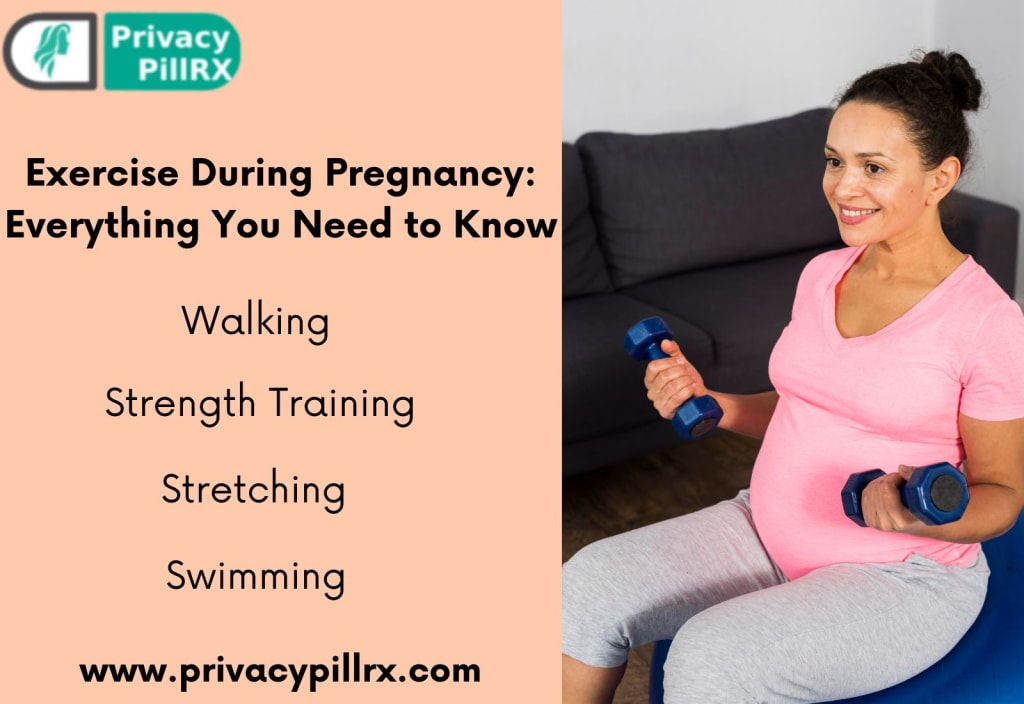
Exercise during pregnancy is generally recommended and encouraged. Every person is different and even their pregnancy journey is different. A physical movement that works for one may not be appropriate for another.
It’s a smart idea to discuss with your doctor before starting any exercise. They will help you in deciding what is safe and effective for you based on your medical history, current health, and stage of pregnancy.
Your exercise regimen should be tailored to your health and the details of your pregnancy. Your exercise routine should change with your changing body throughout pregnancy.
It's important to pay attention to your body. If you experience any discomfort or pain, stop the activity and contact your healthcare provider. Prioritize your reproductive health and choose a plan that works for you.
Which Month to Start Exercising During Pregnancy?
You can start exercising at any point during your pregnancy. If you've never exercised before, start with 10 minutes and gradually increase to 30 or 40 minutes.
It's best to stay away from sports like boxing, rugby, or football, as well as activities where you might fall, like horseback riding or climbing. Consult your healthcare provider and choose the right workout plan for your reproductive health.
Safe Exercises During Pregnancy
As your pregnancy progresses, you can adjust each of these exercises. Start slowly, especially if you were not active before becoming pregnant. Always check with your healthcare provider before beginning any new exercise routine. The aim is to remain active and healthy rather than overexert yourself.
Stationary Cycling: Stationary cycling can elevate your heart rate while reducing the chances of falls. This enhances your cardiovascular health and leg strength.
Walking: Walking is a gentle form of exercise. Engaging in regular walks supports your cardiovascular health. It is safe and can be continued throughout the pregnancy.
Strength Training: Strength training is essential for preserving muscle tone and stamina. Concentrate on using lighter weights with more repetitions, avoid heavy lifting, or lying flat on your back, especially in the later stages of the pregnancy.
Pelvic Floor Exercise: Exercises like Kegels are beneficial for improving the pelvic floor muscles. By focusing on strengthening these muscles, new mothers can also lower the chances of experiencing incontinence after giving birth.
Stretching: Regular stretching can be beneficial in easing typical discomforts experienced during pregnancy, such as back pain and leg cramps. Gentle stretching exercises, when done correctly, can increase flexibility and relieve muscle tension.
Swimming: Water exercises are ideal for pregnant women because their buoyancy helps support your weight, relieving pressure on your joints and back.
Exercise to Avoid During Pregnancy
Exercise during pregnancy is beneficial, but some exercises should be avoided. Recommendations can vary, so it's important to consult your healthcare provider before starting or continuing any exercise routine.
Sports: Activities that carry the risk of abdominal impact, such as boxing, hockey, and martial arts, should be approached carefully or completely avoided because of the risks linked to physical contact in these sports.
High-Impact Activities: Avoid high-impact exercises as they can put strain on your joints and pelvic floor. Avoid basketball, horseback riding, and soccer during pregnancy.
Heavy Weightlifting: Heavy weightlifting can strain your pelvic floor and back, increasing your risk of injury. If you choose to continue strength training, go for lower weights and more repetitions.
Exercise That Involves Lying Flat on the Back: Avoid exercises that involve lying flat on the back, especially during the second and third trimesters. It has the potential to reduce blood flow to the heart and baby.
Stretching: During pregnancy, your body produces a relaxing hormone that loosens up your ligaments and joints, making you prone to strains and sprains. Overstretching can lead to injury.
Can Exercise Cause Miscarriage?
No, exercising does not cause miscarriage. It has so many benefits for mother and child that doctors often advise moderate exercise during pregnancy.
However, before beginning or continuing any new workout plan during pregnancy, it's essential to speak with your doctor. Depending on your health and the length of your pregnancy, they can offer you specialized advice.
About the Creator
Emily Brown
I am Emily Brown from Privacypillrx, an online medical store. I am a medical expert with 6 years of experience in the pharma. We have helped over 1000+ women in getting a successful medical abortion.
Keep reading
More stories from Emily Brown and writers in FYI and other communities.
How to Find the Best Birth Control for Your Body Type?
When it comes to choosing a birth control option for women remember that one size does not fit all, and the wide range of options can be overwhelming. Birth control pills are one of the most common and accessible forms of contraception. When choosing the best birth control option you may consider factors like cost, effectiveness, and convenience. While these factors are important, one overlooks the other crucial factor: body type.
By Emily Brownabout a year ago in Humans
A Failed Artist, A Disillusioned Poet, An Underpaid Game Show Host
I took my son and niece to Gori, a small town in Georgia where Joseph Stalin was born. They talked me into visiting the Stalin's Museum, the largest in the post-Soviet space. I had resisted going there because I just can't stand the monster and know enough about him, or so I thought.
By Lana V Lynx28 days ago in FYI
Wonder Man Was Everything I've Missed From Marvel
When I first read that Marvel was developing a show dedicated to Wonder Man, I can't say I had very big expectations as I have no real connection to the character, but the idea of a stuntman turned superhero intrigued me! But having finished the entire show, I can confidently say Wonder Man has set the precedent for what I expect Marvel Studios to release this year, and may be one of my favorite stories the studio has told in the last 7 years. It's no secret that the MCU has been struggling to release worthwhile projects in the aftermath of their colossal saga ending film Avengers Endgame. While there has been some good movies and shows, Marvel studios seemed more interested in quantity over quality, with great projects becoming the exception rather than the rule. This was the opposite of what the Marvel Cinematic Universe had been known for in it's early years , where two films a year made for a sharper more consistent focus that the studio has struggled to maintain.
By Erich Kortum4 days ago in FYI




Comments
There are no comments for this story
Be the first to respond and start the conversation.