
Examining the Effects of the Internet on Your Brain
Our brain and the internet

Imagine a world without the Internet. Some of us remember what it was like before everything was connected. But now, we can't imagine living without smartphones, maps and search engines at our fingertips. However, our increasing dependence on the online world is affecting us in many ways. Our relationships, sources of information and the way we interact with each other are rapidly changing – even our brains are being affected! With more and more devices relying on the Internet, it's no surprise that access around the world is continually increasing. In 2016, approximately 3.5 billion people worldwide accessed online services. The top three countries were China, India and the United States. English is the most common language used online, followed by Chinese and Spanish. Confidence in using the Internet is clearly changing from one generation to the next, depending on whether those who had to adapt to the new technology or those who grew up with it are easily accessible.
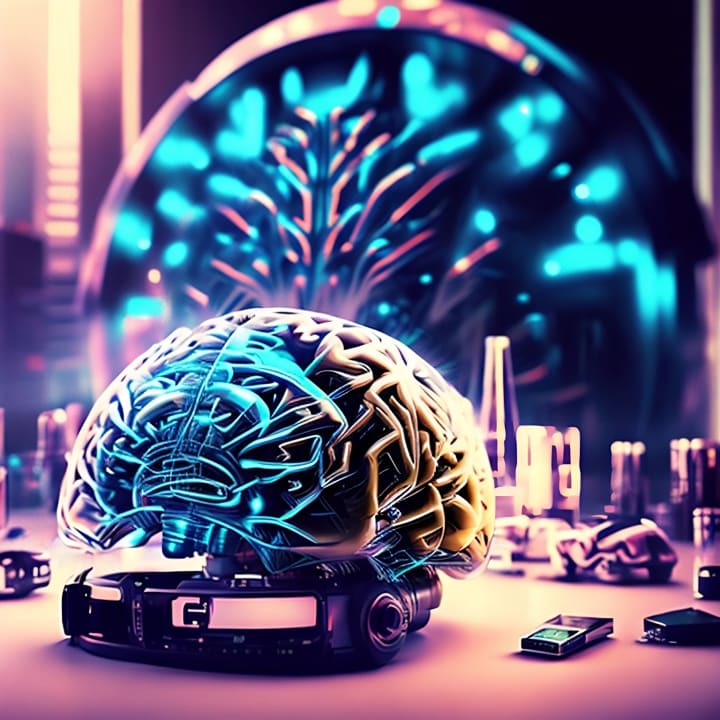
Did you know that people who were born between the mid-1960s and early 1980s use the Internet on their phones for about 110 minutes a day? That's just under two hours! But people who were born in the early 1980s or later use the Internet on their phones for about 185 minutes each day! That's almost three hours! Social networking and messaging apps are really important to us now – we use apps like WhatsApp, Facebook and Twitter to talk to over a billion people every day! Because we use the Internet so much, we are starting to change the way we do things. We don't call and text as much anymore, and we shop online instead of going to stores. Our towns and cities are starting to look different because of all the changes. But how is all this affecting our brains? With so much information available to us, the Internet is changing the way we work and think.
Did you know that people today are more forgetful than people in the past? This is because we have so many distractions with our phones and computers. When we try to remember something, we need to think about it a lot so that it stays in our long-term memory. But with all the new information coming at us all the time, it's harder to remember things. Also, we don't need to remember as much because we can simply look things up online. This means we are becoming more and more addicted to our phones. Therefore, it's important to take breaks from technology and give our brains a chance to remember things on their own.

Smartphones are always cluttered with messages and updates, which can distract us from thinking deeply. Our brains are getting used to being distracted, which makes it harder to concentrate when we need to. Studies show that too much information can make it difficult for us to control our thoughts and decide what's important. But don't worry, technology isn't all bad! Inventions like washing machines have given us more time for other things. And the Internet allows us to find information quickly, so we can use our brains for other tasks.
From smartphones to laptops to tablets, we are constantly plugged in and connected. While technology can certainly be useful and make our lives more efficient, it is important not to let it take over our lives completely. It is crucial to strike a balance between staying connected and enjoying the world around us without distractions. By being mindful of how much time we spend on our devices, we can improve our mental health, relationships, productivity and overall well-being. So the next time you're drowning in your screen time, take a moment to unplug, appreciate the world around you and recharge.
About the Creator
Keep reading
More stories from writers in FYI and other communities.
A Failed Artist, A Disillusioned Poet, An Underpaid Game Show Host
I took my son and niece to Gori, a small town in Georgia where Joseph Stalin was born. They talked me into visiting the Stalin's Museum, the largest in the post-Soviet space. I had resisted going there because I just can't stand the monster and know enough about him, or so I thought.
By Lana V Lynx21 days ago in FYI
Six Mysterious Historical Discoveries That Still Baffle Experts Today
Historians and archaeologists usually spend their lives buried in old texts or brushing dirt off ancient bones. But every once in a while, they stumble upon something so strange it leaves even experts scratching their heads. As of today, these discoveries still spark heated debates, wild theories, and a whole lot of curiosity.
By Areeba Umair2 days ago in FYI



Comments
There are no comments for this story
Be the first to respond and start the conversation.