
EPRA STRIKES AGAIN IN KENYA
New fuel prices will be effected from 15th July - 14th August, 2023. Though Diesel still affects the daily lives of Kenyans.

This is how fuel prices can affect the daily lives of people in Kenya. However, please note that the specific impact may vary depending on the current situation and economic conditions.
Transportation Costs: directly impact the cost of transportation, including public transportation fares and the prices of goods and services that rely on transportation. Higher fuel prices can lead to increased fares for buses, taxis, and other modes of transportation, making it more expensive for people to commute to work, school, or run errands.
Cost of iving: High fuel prices can contribute to an increase in the overall cost of living. When fuel prices rise, it affects the prices of various goods and services. This includes the cost of food, as transportation costs for agricultural products, such as transporting crops from farms to markets, can increase.
Inflation: Rising fuel prices can have an inflationary effect on the economy. When transportation costs increase, businesses may pass on these additional expenses to consumers by raising the prices of their products and services. This can lead to a general increase in the prices of goods and services across different sectors of the economy.
Business perations: Businesses that rely heavily on transportation, such as logistics and delivery services, can face increased operational costs due to higher fuel prices. These costs may be passed on to consumers, leading to higher prices for goods and services.
Household udget: For individuals and households, higher fuel prices can strain budgets as a larger portion of income needs to be allocated to transportation expenses. This can impact disposable income available for other essential needs, such as food, education, healthcare, and savings.
Introduction
Governments around the world often intervene to address the challenges associated with escalating fuel costs. This article explores various ways in which governments can respond to the increase in fuel prices and mitigate their impact on citizens and the economy.
Subsidies and Price Controls:
One common approach governments take is to provide subsidies on fuel or implement price controls. Subsidies can help stabilize fuel prices by reducing the burden on consumers. However, they can also strain government finances and create inefficiencies in the market. Price controls, on the other hand, can artificially limit the price of fuel, but they may lead to supply shortages and long-term distortions.
Tax Adjustments:
Governments can adjust taxes on fuel to counteract the effects of rising prices. They may consider reducing or temporarily suspending fuel taxes to alleviate the financial burden on consumers. This can provide immediate relief to individuals and businesses, stimulating economic activity. However, it's important to balance these measures with the need for government revenue and long-term sustainability.
Strategic Reserves and Diversification:
Governments can establish strategic fuel reserves to buffer against sudden price shocks and supply disruptions. Maintaining an adequate stockpile allows for stabilization during emergencies. Additionally, investing in diversifying the energy mix by promoting alternative fuels, renewable energy sources, and energy-efficient technologies can reduce dependency on fossil fuels and mitigate the impact of fuel price fluctuations.
Energy Efficiency and Conservation:
Governments can incentivize energy efficiency and conservation measures to reduce fuel consumption. This can be achieved through public awareness campaigns, tax incentives for energy-efficient vehicles, and regulations that promote sustainable practices. By encouraging responsible energy use, governments can help individuals and businesses mitigate the effects of rising fuel prices and reduce their overall energy expenses.
Public Transportation and Infrastructure:
Investments in public transportation infrastructure can provide affordable alternatives to private vehicles, reducing the reliance on fuel. Governments can prioritize the development of efficient and accessible public transportation systems, including buses, trams, and trains. This not only helps alleviate the financial burden on citizens but also reduces traffic congestion, air pollution, and carbon emissions.
Long-term Energy Planning:
Governments can develop comprehensive energy plans that address fuel price volatility and promote sustainable energy practices. This involves diversifying the energy mix, investing in renewable energy sources, promoting research and development in clean technologies, and encouraging energy independence. A long-term strategy can provide stability, reduce reliance on imported fuels, and create opportunities for economic growth in the energy sector.
International Cooperation:
In a globalized economy, fuel prices are influenced by international factors. Governments can engage in bilateral or multilateral negotiations to address energy-related issues, promote fair pricing mechanisms, and ensure stable fuel supplies. Collaborative efforts among nations can lead to better coordination, shared resources, and improved energy security.
Conclusion:
As fuel prices continue to fluctuate, government intervention becomes crucial in managing the impact on citizens and the economy. Through subsidies, tax adjustments, strategic reserves, energy efficiency measures, public transportation investments, long-term planning, and international cooperation, governments can mitigate the effects of rising fuel prices. However, it is essential to strike a balance between short-term relief and long-term sustainability, considering the fiscal implications and environmental concerns. Effective government intervention can help alleviate the burden on individuals and businesses, promote energy security, and foster a transition towards a more sustainable and resilient energy future.
It's
About the Creator
Keep reading
More stories from writers in FYI and other communities.
A Failed Artist, A Disillusioned Poet, An Underpaid Game Show Host
I took my son and niece to Gori, a small town in Georgia where Joseph Stalin was born. They talked me into visiting the Stalin's Museum, the largest in the post-Soviet space. I had resisted going there because I just can't stand the monster and know enough about him, or so I thought.
By Lana V Lynx20 days ago in FYI
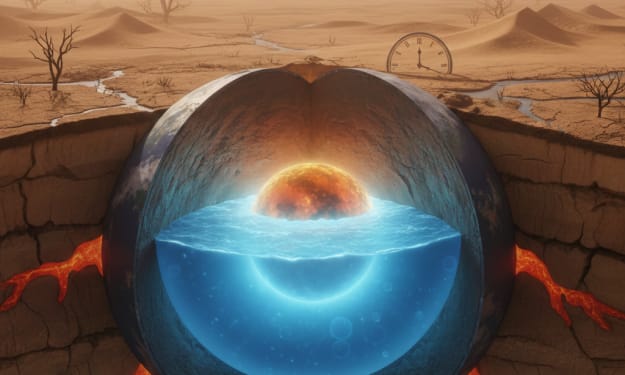
Is There a Hidden Ocean Inside the Earth, and Are We Running Out of Time?
If you think you understand what’s beneath your feet, science might want a word with you, because recent research suggests our planet may be hiding something massive. And no, this isn’t sci-fi. It’s grounded in real discoveries, strange footage, and unsettling predictions about where humanity is headed.
By Areeba Umaira day ago in FYI
The Duelist
The rays of a dying red sun flashed against the onrushing blade. The grey beards say the key to dueling lies in size, speed, reach, righteous fury, whatever the person in front of them pays them to say. Matteo knew better than any it was none of these and had an undefeated record on these sands to prove it.
By Matthew J. Frommabout 9 hours ago in Fiction



Comments
There are no comments for this story
Be the first to respond and start the conversation.