
Don’t Ignore the Early Signs of Arthritis – You Might Regret It Later
5 Early Signs of Arthritis to Know
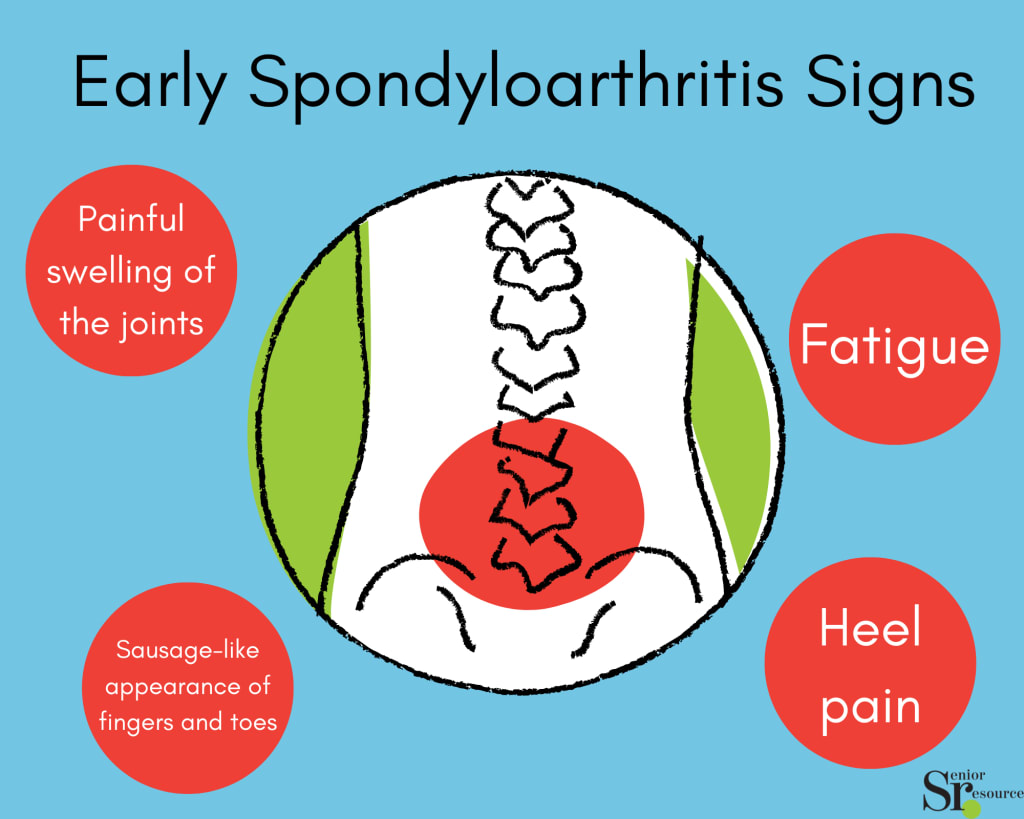
Too many people dismiss joint pain as just “getting older” or “overdoing it at the gym.” I’ve seen it happen too often, and it’s heartbreaking. People I care about suffered far longer than they should have because they wrote off their aches and stiffness as something trivial. Here’s the truth that not enough people talk about: arthritis is sneaky. It doesn’t announce itself with flashing lights and blaring horns. Instead, it creeps up, quietly wearing down your joints until the damage is severe and, in many cases, irreversible.
I need you to understand this because I’ve watched arthritis steal mobility, independence, and quality of life from too many family members. It doesn’t have to be this way.
Catch It Early or Pay the Price Later
If you start experiencing joint pain that lingers or worsens, don’t wave it off as nothing. Arthritis doesn’t just show up overnight—that’s what makes it so easy to ignore. But trust me when I say, the earlier you acknowledge and address it, the better off you'll be.
Here’s what you should be watching for:
1. Persistent joint pain
When that dull ache in your hands or the sharp twinge in your knees doesn’t go away, it might be more than overexertion. Arthritis pain can feel like burning, dull aches, or even stabbing sensations. Don’t ignore recurring discomfort in areas like your hands, wrists, knees, or hips. They’re often the first affected spots.
2. Morning stiffness
If getting out of bed feels like you’ve aged overnight, pay attention. Struggling to move your fingers, wrists, or knees for a little while after waking up can signal that arthritis is settling in. And it isn’t just a “rough morning.” Stiffness that lasts for more than an hour after you wake up is a clear red flag.
3. Swollen or inflamed joints
When your joints swell and the area feels warm to the touch, that’s not normal. Swelling that sticks around for more than a few days, paired with redness or tenderness, should send you straight to the doctor. Don’t brush it off, especially if this happens repeatedly.
4. Tenderness or pain when touched
Using or even lightly pressing on your joints shouldn’t hurt. If it does, listen to your body.
5. Unusual skin discoloration
This one’s easy to overlook, but it matters. A reddish, bruised, or faintly discolored tone around your joints can suggest inflammation underneath. People with darker skin tones might find this harder to spot, so make regular checks part of your routine.
And while we’re on the subject, if you notice sudden eye pain, nail changes, or sausage-like swelling in your fingers and toes, don’t wait to act. These symptoms are less common but can signal psoriatic arthritis or other forms of inflammatory joint disease.

Stop Guessing and Just Go See a Doctor!
I understand how easy it is to shrug these signs off. Maybe you’re thinking, “It’s fine; everyone feels aches and pains.” I promise you, it’s better to confirm that everything is okay than to wait until the damage is irreversible. Arthritis is a thief that robs your joints, slowly and quietly. And it won’t stop unless you do something about it.
If you or someone you care about notices any of these signs, make an appointment with a doctor as soon as possible. Your doctor can perform imaging tests, blood work, and physicals to pin down what’s going on. It might turn out to be nothing—but ignoring the signs could lead to years of unnecessary pain and suffering.
Medicare and most private insurance plans cover arthritis testing and basic treatments. There’s no excuse not to get checked out when you suspect something’s wrong.
Arthritis doesn’t need to ruin your life. I’ve seen people manage the condition beautifully with meds, physical therapy, and lifestyle changes. But every story starts with the same step: recognizing and accepting the early signs.
About the Creator
Keep reading
More stories from writers in FYI and other communities.
A Failed Artist, A Disillusioned Poet, An Underpaid Game Show Host
I took my son and niece to Gori, a small town in Georgia where Joseph Stalin was born. They talked me into visiting the Stalin's Museum, the largest in the post-Soviet space. I had resisted going there because I just can't stand the monster and know enough about him, or so I thought.
By Lana V Lynxabout a month ago in FYI
Why Black History Matters in America?
The United States of America is celebrating their 250th anniversary in 2026. I'm proud to be an American and as someone who was born here, I wouldn't imagine myself living anywhere else. This is a country where opportunities are possible. Where anyone can be successful in anything they desire to do. Equality, community, and togetherness are the backbones of what America is and should be about. However, we have an administration who wants to erase and disregard those who have made positive, meaningful impacts in our country, specifically Black figures, such as Martin Luther King, Jr., Rosa Parks, and Maya Angelou. President Trump and his administration have been constantly complaining and fighting against what they call the "Woke agenda". They use this excuse as a distraction from other issues they refuse to address, such as the high cost of living, climate change, and inflation. That equality is dividing America, when in reality, it's bringing us together. Being woke is not tied to a specific political party. No matter where you stand on the political spectrum, you can still care about other people and their plights. Compassion and empathy for others isn't tied to a political party, either. We were taught as children to treat others the way we want to be treated and not judge others because they're different from us. Caring about others isn't a personal attack on your beliefs. It doesn't make you any less of a person. People who are easily offended over African American figures, past or present, or anything related to it, are grasping at straws. Current and future generations need to know who people like Harriet Tubman and Shirley Chisholm were, especially in the classroom. Black History is part of American History. It should be recognized, not hidden or forgotten. Besides, you can't shield children from everything, just because your feelings are easily hurt.
By Mark Wesley Pritchard 4 days ago in The Swamp
The Piggy Project
I’ve had so many names in this life I lose track of which ones were ever really mine and which ones I wore because someone needed me to. Some were handed to me before I had words to refuse them, before I knew what they meant, before I knew I could say no. Most weren’t meant to hurt. That doesn’t mean they didn’t leave marks. Marks that told me who I belong to, who I am by way of who claims me, recognizes me in the good and bad, who walks beside me.
By Fatal Serendipity3 days ago in Confessions




Comments (1)
Nice work ! What was your trigger for writing this ? 🏆 keep in touch.