
Cultural appropriation and White women wearing dreadlocks and braids
Some African American females have expressed concerns.


Nappy by nature is not a choice
Is it imitation (the best form of flattery) or cultural misappropriation when White males and females wear dreadlocks and braids. Some African American women think it is.
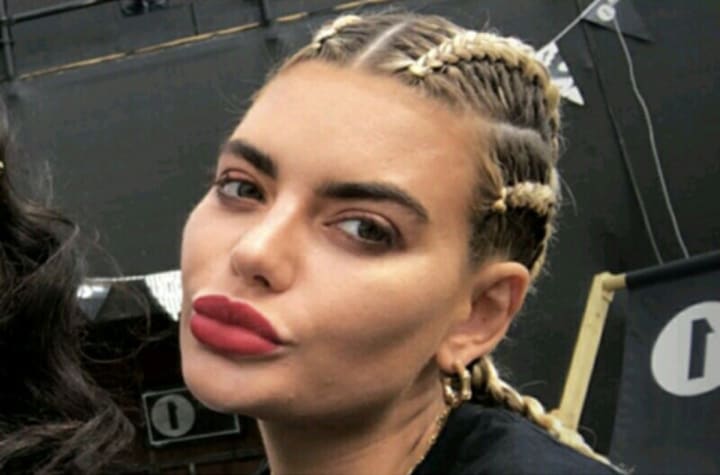
When I was growing up during the 1960s, Black parents used heated appliances so their daughters hair would be straight and easy to comb, just like the White girls. Today we have Caucasian women ( and men) braiding and dreading their hair to imitate African American styles.
Dreadlocks allow black men's and women’s hair to grow long naturally like people of other cultures. Females of other races don’t need that type of assistance to get their hair to grow as it grows long and straight on it's own.
This is why some Black women are offended when they see White females with braids and dreads. What we are doing out of necessity and through trial, error, and sometimes pain, both emotionally and physically, they do for a fashion statement.
What is the purpose?
There is an old saying that when you don’t understand the purpose of a thing, you will abuse it. This is why it is important for women who are not Black to understand the history of what they now have adopted.
Many African American women have no choice but to accessorize and invest in time-consuming styles that complement their unique hair texture. With a braided style you don't have to worry that sweating will cause your hair to become kinky and lead to another trip to the hair dresser.
Women of other races don't have thsi issue and their straight hair isoften difficult to braid so what's the point? Younger generations of women of color are embracing their unique hair texture and wearing styles that leave it in its natural state.
Good and bad hair?
Older Black females like myself grew up in an era where we were taught about good and bad hair. Those whose tresses did not become kinky in the rain or a swimming pool were considered to have good hair.
If your hair reverted when you sweated, swam or walked in the rain and you needed heat to straighten it you wee told you had bad hair. The term bad hair is now regarded as offensive, and many Black women want to rock the tresses they were born with.
We all have free will choice to do with our manes what we desire, but some African American women consider it as culturally inappropriate for White females to copy these ethnic hairdos.
Is there a double standard?
I liken this situation to someone using a cane because they are a fall risk and another person walking with a cane because they want to be cool. If you see a non-Black female with short hair it's because she cut it.
Many African American women have difficulty growing their hair long. Dreads and Braids assist. Wearing these style eliminates the need to perm, relax, or use heat to straighten hair.
Is this a double standard? No it's not. Black women began straightening their hair because wearing it natural could prevent them from being hired for jobs. They did it in order to be able to make a living and feed their families. It was not simply a desire to fit in with White society.

Is it cultural misappropriation?
Those of other races have no purpose for dreadlocks and braids except as a fashion statement which cause some Black women to feel insulted. During slavery Black women were forced to cover their heads in scarves as if their natural hair was shameful.
Madame CJ Walke4r became the first African American millionaire by creating the iron straightening comb so Black women's hair would be straight like females of other races.
Many of today's younger generations reject this and use braids, dreads, wigs, and hair pieces to create the styles of their choice. I know Black men whose dreads are down their backs. They say they will not cut their hair to fit into society's norms.
Should hairstyles be personal and not cultural?
Some people say hairstyles should be personal and point out how many Black women dye their hair an unnatural blonde color? If any White females have complained I have not heard about it.
Not all African American women cite cultural appropriation when they see White women with braids and dreads. At the end of the day there is more freedom now than in the past. Decades ago you did not see Asian women with blonde hair but now we do.
About the Creator
Cheryl E Preston
Cheryl enjoys writing about current events, soap spoilers and baby boomer nostalgia. Tips are greatly appreciated.
Reader insights
Nice work
Very well written. Keep up the good work!
Top insights
Easy to read and follow
Well-structured & engaging content
Excellent storytelling
Original narrative & well developed characters
Expert insights and opinions
Arguments were carefully researched and presented
Eye opening
Niche topic & fresh perspectives
Heartfelt and relatable
The story invoked strong personal emotions
On-point and relevant
Writing reflected the title & theme
Keep reading
More stories from Cheryl E Preston and writers in FYI and other communities.
What Makes Aerospace Manufacturing Different from Other Industries?
Manufacturing exists across countless industries, from automotive production to consumer electronics. However, aerospace manufacturing stands apart because of the extreme demands placed on both products and processes. In aviation, there is no margin for error. Every component must perform flawlessly under stress, pressure, vibration, and temperature variation.
By Beckett Dowhan5 days ago in FYI
📢 Raise Your Voice Thread: 02/19/2026
Our “Raise Your Voice Threads” are hosted most alternating Thursdays at 12PM ET to offer creators more avenues to uncover exceptional stories on Vocal. As we are continuously searching for fresh creators and inspiring stories, this thread provides an opportunity to exchange and discuss the stories that have moved and motivated us on Vocal.
By Raise Your Voice by Vocal4 days ago in Resources


Comments (12)
I think we have gone way beyond reasons why people do what they do. Interconnections are everywhere. People should be free to experiment in whatever way they feel, every individual just needs to be respectful of the culture of others. There are far more serious matters, especially nowadays. But you raise some important views, Kudos TS.
A fascinating read, it was good to learn the cultural context. I interpret copying as a compliment 😃… but personally feel blonde dreads look ridiculous.🤔😵💫
Well done with important cultural statements; however, in our multiracial society, is it fair to assume by someone's complexion how her hair behaves? I know women of color and white women who struggle with controlling their hair in humid weather, and here in the deep south, that humidity is no joke.
People should be free to wear whatever style they want, without being questioned or analyzed.
This was very well written and shed some much needed light on this topic. As a white woman, I often get very frustrated at the phrase "cultural appropriation" because it's usually thrown at me by another white person who tells me I can't do something because I'm white and they offer no further explanation. What I loved about this is that you are writing about something you know first hand, from a perspective very different from my own, and sharing all the things I should consider about the topic. You dove into the history and personal pain you experienced. After reading this, I feel I better understand why this could be considered cultural appropriation. I also feel I could explain to another white person why they should consider the history behind dread locks and braids before choosing it as a fashion choice. I wish everyone approached the topic of cultural appropriation with so much willingness to educate. Well done and congrats on your Top Story.
The history of hair, especially women's hair, is always fascinating. The point, in my opinion, is that everyone sees what they want to see and never puts themselves in someone else's shoes. There are millions of white women with curly, frizzy hair—not like African hair, but certainly not straight. In the Middle Ages in Europe, girls and young women with red hair were forced to cut it or keep it hidden because it was the devil's hair and you could be considered a witch. Generally, women had to go around with their hair tied up and covered, often in braids. Today, around the world, for religious reasons, women are forced to hide their hair behind veils. Generally, women have always been forced to hide and tie their hair in "elegant" hairstyles; no one could go to work with long, loose hair, especially if curly, of any color, because it was considered messy, sloppy, and unprofessional. As for braids, the Romans, the Greeks, the Vikings, and many Celtic tribes used them. They were different braids of different types compared to Afro-American ones, but I think these should be considered points of convergence between women and not differences. I like seeing blondes with braids and African girls with blonde hair. I don't see anything strange about that in 2025.
I see hair choices as no different than black women dying their hair blond, straightening their hair and wearing styles that only non-black women can wear naturally. In a nut shell, who really cares and why would you?
This article does an excellent job of highlighting the historical and social context behind Black hair and the struggles that shaped these choices. It’s important for everyone to understand that hairstyles are not just fashion, but often deeply tied to identity and survival.
I love that you wrote about this topic, Cheryl. I am a mum to four children, two are Caucasian and two are biracial. My youngest son and daughter don't appreciate it when white people rock dreads or put weave in their hair, and at the risk of other people jumping down my throat in the comments, I agree with them. My daughter was teased something awful while growing up. She even shaved her head at one point. Now, at 28, she wears her natural hair, and I am so proud of her. Congratulations on your top story! To each their own, I suppose, but sometimes people make misinformed decisions, and these decisions affect others in ways they will never understand.
that's really amazing Thanx for That...
Like any cultural topic now a days ( or any topic for that matter) it depends on if a person wants to make an issue or is willing to accept life. I absolutely loved that you added the history behind this as it added so much to the reason and feelings. Also your final paragraphs was un judgmental on your part which lets the reader think for themselves. Congratulations on TS
🤗