
Cremation Explained
The Bible is silent when it comes to topics about cremation.


Cremation is one of those topics that the Bible neither encourages nor forbids. When it comes to burying the dead, there is no scripture that says what you should or should not do.
There are biblical examples that detail how Jesus and others were buried. The Israelites buried their dead and put them in a tomb. The Jews in Jesus’ day continued with the same tradition, and so did the New Testament Christians.
Biblical Examples of Burials
The Bible does not command burial or have laws against cremation. The Old Testament and the New Testament demonstrate how God’s chosen people always buried their dead. Jesus Himself was buried in a tomb.
“The field which Abraham purchased of the sons of Heth: there was Abraham buried, and Sarah his wife” (Genesis 25:10).
“There they buried Abraham and Sarah his wife; there they buried Isaac and Rebekah his wife; and there I buried Leah” (Genesis 49:31).
“But Mary stood without at the sepulchre weeping: and as she wept, she stooped down, and looked into the sepulchre, And seeth two angels in white sitting, the one at the head, and the other at the feet, where the body of Jesus had lain” (John 20:11:12).
Cremation: Definition
- Cremation is a method of the final disposition of a dead body through burning.
- Cremation may come before or after the funeral.
- Cremation is commonly carried out in a closed furnace at a crematorium.
There is only a small amount of ashes left behind after cremation. Unburnt fragments of the bone mineral are commonly ground down into powder. The ashes may be buried, put in a memorial site, given to relatives, or scattered.
About Cremation
Cremation dates back to at least 17,000 years. Although the Bible does not specifically speak about cremation, we do see in the Word of God that only the heathen tribes burned their bodies with fire after death. The Jews always buried bodies in graves in the ground or entombed their dead in a cave or in a sepulcher, similar to our modern-day mausoleums.
The scriptures neither forbid cremation nor condone it. Some people make their final arrangements before they die. They tell their relatives if they want to be buried or cremated. Their final wishes should be carried out.
Reasons For Choosing a Burial
Some people consider a funeral and burial as solemn events that include the stewardship of a person’s body. There are reasons to choose a burial over cremation.
- A funeral allows the family and friends to grieve together.
- A burial also gives the family a place to visit to reflect on the life of a deceased loved one.
- A burial is usually done within days of death. Cremation could be done before or after a funeral or memorial service.
Reasons to Choose Cremation
More people are choosing cremation because they are more informed than they were years ago. They no longer see it as taboo or a pagan ritual. They choose cremation over traditional burial for personal reasons.
Convenience
Those who choose cremation do so for faster and more convenient arrangements for relatives who are responsible for the deceased's last wishes. Cremation is a simpler disposition method and easier and quicker to plan than a burial. This is because a funeral with a burial requires many services the mortician performs, such as embalming and other body preservation methods.
Costs
With a funeral and burial, several other costs are involved. There must be a casket, a grave plot, and a headstone. Fees include opening and closing the grave and transportation of the body.
Cremation only requires transporting the body to a crematorium, cremating the body, and a cremation urn.
Many choose cremation because it is less costly than a traditional burial. Fewer decisions need to be made when cremation is the method. A direct cremation is even less expensive than a regular cremation. That is when the body is cremated as soon as possible without other services.
If a person dies away from home in another city or country, his family would have to pay for transporting the remains back home, unless direct cremation has been chosen.
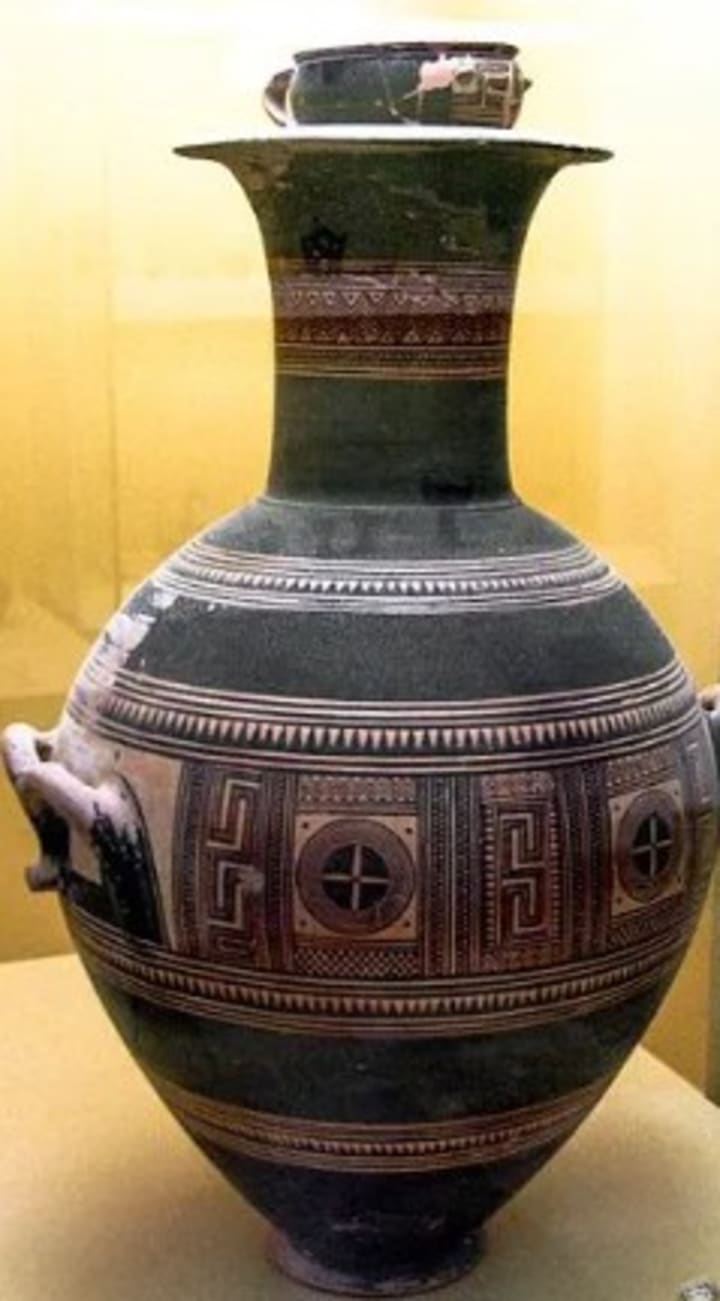
What Happens After Cremation
Cremated remains can be scattered or buried. Cremation plots are usually cheaper than traditional burial plots or mausoleum crypts and require less space.
Some religions, such as Roman Catholicism, require the burial or entombment of cremated remains. The remains may often be put in a family member's or another person's plot at no additional cost.
It is a common practice to scatter the remains in a place the deceased liked. Such favorite places include a river, a beach, a park, or a mountain. Scattering ashes is generally forbidden in public places. Sometimes, the place is designated in a person's will.

A small portion of ashes can be distributed to family members in urns if they want them. Cremated remains can also be converted into diamonds. Urns are costly. If the urn is buried, there is no need to pay a lot of money for it. A more appropriate one is selected if the urn is to be kept for decoration
Views Other Religions Have About Cremation
Today, cremation is an increasingly popular form of disposing of the deceased. For many years, Christians opposed cremation, but some of the Protestant churches came to accept cremation earlier than the Catholic churches.
- Judaism discourages cremation.
- Islam prohibits it.
- Hinduism practices it.
- The Eastern Orthodox Church forbids cremation.
- The Roman Catholic Church discourages cremation because its members believe the body is holy and should be treated with honor and respect. They also feel that cremation constitutes a denial of the resurrection of the body.
Conclusion of the Matter
A person's wish should be honored, whether he wants to be buried or to be cremated. No one should be condemned for choosing cremation as the method of disposition of his body after death.
A person should make his intentions known to family members because the person in charge of the arrangements might have different views about cremation. He might do what he wants instead of what the deceased family member wanted.
This writer has chosen a direct cremation after death. She does not believe cremation will keep her away from her eternal home. There were many cremations among Christians when COVID was present.
Question for Readers
Do you want to be buried or cremated?
About the Creator
Margaret Minnicks
Margaret Minnicks has a bachelor's degree in English. She is an ordained minister with two master's degrees in theology and Christian education. She has been an online writer for over 15 years. Thanks for reading and sending TIPS her way.
Keep reading
More stories from Margaret Minnicks and writers in FYI and other communities.
23 Foods You Can Eat Past Their Expiration Dates
People often throw away food because of the expiration date printed on the label. Many foods can be safely consumed long after the printed expiration date. The expiration date, or "use by" date, is there to let the consumer know how fresh the product is. However, there is no danger in eating certain foods past that date. The date refers more to food quality than food safety.
By Margaret Minnicks2 months ago in FYI
A Failed Artist, A Disillusioned Poet, An Underpaid Game Show Host
I took my son and niece to Gori, a small town in Georgia where Joseph Stalin was born. They talked me into visiting the Stalin's Museum, the largest in the post-Soviet space. I had resisted going there because I just can't stand the monster and know enough about him, or so I thought.
By Lana V Lynx9 days ago in FYI
How Early Aircraft Designers Solved the Problem of Landing
When people talk about the early days of aviation, they usually focus on the miracle of takeoff: how humans first managed to rise into the air using fragile machines made of wood, wire, and fabric. But as I spent more time reading about aviation history, I realized something surprising: getting into the air was often easier than getting back down safely.
By Beckett Dowhan6 days ago in FYI


Comments
There are no comments for this story
Be the first to respond and start the conversation.