
API Keys: A Non-Technical Guide to Understanding and Generating Them
comprehensive and clear guide

For anyone who has ever used a website or a mobile app, you've probably heard the term "API key" thrown around. But what exactly is an API key, and why is it important? Put simply, an API key is a unique identifier that allows you to access a specific set of data or functionality from an application or website. However, for non-technical users, the concept of API keys can be confusing and intimidating. In this post, we'll break down what API keys are, why they're used, and how to generate them in a way that's easy to understand, even for those who are not tech-savvy. By the end of this guide, you'll have a better understanding of API keys and how they can be used to enhance your web browsing and app experiences.
What are APIs and API Keys?
APIs or Application Programming Interfaces are software intermediaries that allow two applications to talk to each other. In simpler terms, APIs enable different software applications to communicate with one another and share data seamlessly.
API keys, on the other hand, are codes passed by computer programs that identify the calling program or application. They are unique identifiers that allow applications to access APIs and use their functionality. Think of it as a password or a key to unlock a door.
API keys are used to authenticate and track how the API is being used and by whom. They also help prevent unauthorized access and protect the security of the API. API keys can be generated by the owner of the API service and have specific access permissions and rate limits.
APIs and API keys are used in various industries like e-commerce, social media, travel, and finance to name a few. They allow different applications to share data and functionality, which makes them invaluable in modern-day software development. By understanding what APIs and API keys are, you can more easily navigate the world of software development and take full advantage of the many benefits they offer.
Why do you need API keys?
API keys are essential to the functioning of many modern-day applications and services. In simple terms, an API key is like a digital password that allows access to certain data or functionality. When you use a service that requires an API key, you are essentially requesting permission to use that service's resources, whether it's accessing data or performing certain actions.
API keys are required for a variety of reasons. Firstly, they allow the service provider to control access to their resources. By issuing API keys, the provider can limit access to specific users or applications. This helps to protect their resources and ensures that they are not abused.
Secondly, API keys are used for tracking and monitoring usage. By assigning a unique API key to each user or application, the provider can track how their resources are being used. This helps them to identify any issues or areas for improvement.
Finally, API keys are necessary for authentication and security purposes. By requiring a valid API key, the service provider can ensure that only authorized users or applications are accessing their resources. This helps to prevent unauthorized access and protect user data.
In summary, API keys are essential for accessing and using many modern-day applications and services. They help to control access, monitor usage, and ensure security and authentication. If you're using a service that requires an API key, it's important to understand why it's needed and how to generate and use it properly.
What types of APIs require API keys?
API keys are used to authenticate and verify API requests, which is why they are required for many different types of APIs. Some of the most common APIs that require API keys include social media platforms such as Twitter, Facebook, and Instagram, as well as popular payment platforms such as PayPal and Stripe. Other examples of APIs that require API keys include weather APIs, mapping APIs like Google Maps, and messaging APIs like Twilio.
In general, any API that requires authentication, rate limiting, or usage monitoring will require an API key. This is because API keys are used to track usage, enforce API usage policies, and ensure that only authorized requests are made to the API. It's important to note that not all APIs require API keys, but it's always a good idea to check the API documentation to confirm whether or not an API key is required. Additionally, some APIs may have different types of API keys, such as public and private keys, or may require additional security measures such as OAuth authentication.
How do API keys work?
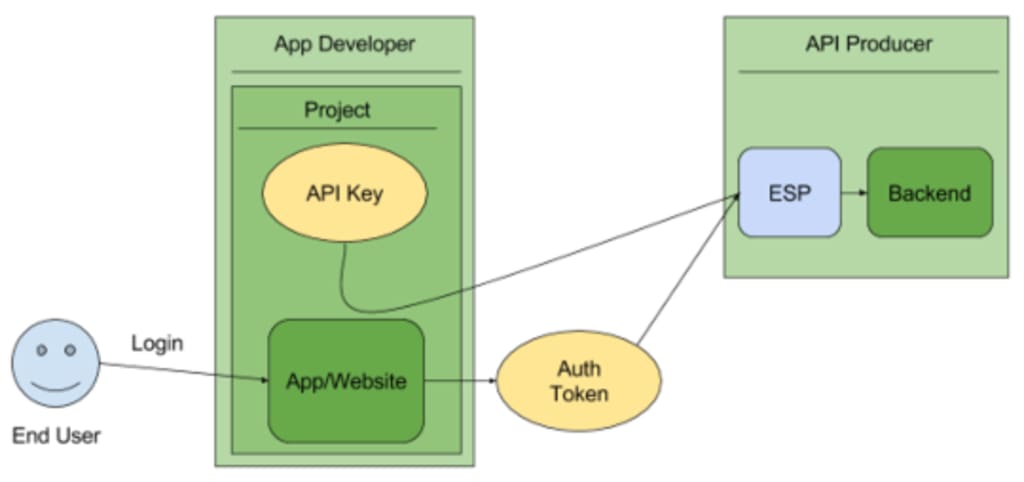
API keys are unique identifiers used to authenticate and track requests made to an API. They work by providing a secure way for applications to access an API without requiring the user to share their login credentials. When a user generates an API key, the key is tied to their account and can only be used to access the API from their account.
When an application sends a request to an API, it includes the API key in the request. The API checks the key to make sure it is valid and tied to an active account. If the key is valid, the API processes the request and returns the requested data to the application.
API keys also allow API providers to track usage and limit access to their API. For example, an API provider may limit the number of requests that can be made per day or restrict access to certain endpoints based on the user's subscription level.
It's important to keep your API key secure to prevent unauthorized access to your data. Don't share your key with anyone who shouldn't have access to your API and make sure to rotate your keys regularly to prevent misuse.
About the Creator
Axa y Oxo
Most my adult life I rejected money and refused to have anything to do with it. The Grind still is the stuff of nightmares imo. Studying blockchain and DeFi showed me I don't reject money, I reject it as the only expression of value.
A Failed Artist, A Disillusioned Poet, An Underpaid Game Show Host
I took my son and niece to Gori, a small town in Georgia where Joseph Stalin was born. They talked me into visiting the Stalin's Museum, the largest in the post-Soviet space. I had resisted going there because I just can't stand the monster and know enough about him, or so I thought.
By Lana V Lynx24 days ago in FYI
Why Traffic Alone Doesn’t Decide AdSense Income
For a long time, I believed the same thing most bloggers do: More traffic equals more AdSense money. It sounds logical. More visitors should mean more clicks, and more clicks should mean more income. But after years of chasing pageviews, publishing relentlessly, and watching my earnings crawl instead of climb, I realized something important.
By Sadique Mannan4 days ago in FYI




Comments
There are no comments for this story
Be the first to respond and start the conversation.