

Ancient giants, as depicted in various mythologies and folklore, are towering figures that symbolize fundamental human concerns, fears, and aspirations across cultures. From Mesopotamia to Greece and Rome, these colossal beings have served as potent symbols of chaos, power, and the struggle between order and disorder. In Norse mythology, for instance, giants like Jörmungandr, the Midgard Serpent, embody the primal forces of nature and fate, while the Greek Gigantomachy illustrates the epic battle between the Olympian gods and earth-born giants, reflecting the tensions between civilization and barbarism.
The relevance of giants extends beyond ancient narratives, as they continue to resonate in modern literature and popular culture. In contemporary interpretations, giants are often depicted as complex characters that grapple with themes of power, isolation, and societal challenges, allowing for deeper explorations of identity and belonging in an increasingly globalized world.
Cultural events such as Spain's "Gigantes y Cabezudos" festival further emphasize the lasting significance of giants, celebrating local folklore while reinforcing community identity and values.
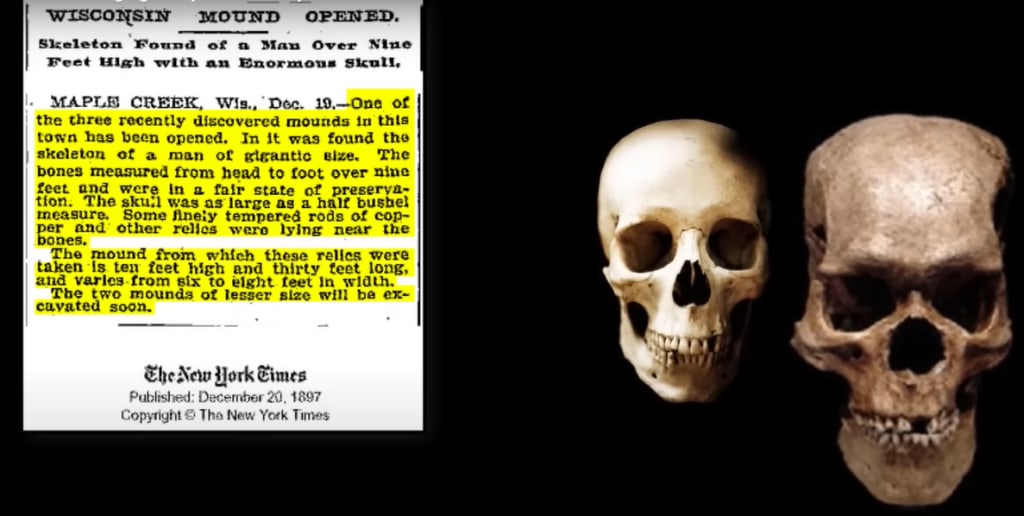
Archaeological findings have added another layer of intrigue to the concept of ancient giants, challenging previously held assumptions about human history. Discoveries in Shandong, China, have revealed skeletal remains of unusually tall individuals from the Neolithic period, prompting researchers to reevaluate the narratives surrounding human evolution and cultural development. These findings suggest that ancient stories of giants may have roots in actual historical occurrences, bridging the gap between myth and reality.
The portrayal of giants in ancient literature, particularly in Greek and Roman texts, serves multiple thematic purposes, including cautionary tales about hubris and the consequences of challenging divine authority. The legacy of these narratives continues to influence artistic expressions and popular media, highlighting the enduring fascination with giants as representations of humanity's ambitions and fears.
Mythology and Folklore
Giants have long played a significant role in various mythologies and folklore across cultures, often serving as powerful symbols that reflect societal values, fears, and aspirations. These towering figures can be traced back to ancient civilizations, including Mesopotamia, Greece, and Rome, where they were frequently depicted as primordial beings embodying the raw forces of nature and chaos.
In Norse mythology, for instance, the giant Jörmungandr, or the Midgard Serpent, is portrayed as a colossal creature encircling the Earth, symbolizing the all-encompassing nature of the sea and the inevitability of fate.
Across different cultures, giants often share similar thematic representations. In many myths, they symbolize the struggle between order and chaos. For example, the Greek myth of the Gigantomachy illustrates the victory of the Olympian gods over the earth-born giants, signifying the triumph of civilization over barbarism and chaos.
Similarly, in Norse mythology, giants frequently challenge the gods, reflecting the tensions between divine order and the unpredictable forces of nature.
Giants also serve as metaphors for larger societal challenges. In contemporary discussions, they represent the obstacles individuals face in their search for identity and belonging within a globalized world.
Enduring legacy emphasizes the relevance of giants in understanding the human condition, as they encapsulate not only physical power but also the psychological fears associated with the unknown.
Over time, the portrayal of giants has evolved significantly. In 19th and 20th-century literature, giants began to be depicted with greater nuance, often reflecting contemporary societal fears and critiques. Works like Roald Dahl's "The BFG" challenge traditional narratives of giants as fearsome adversaries, instead presenting them as misunderstood figures, which resonates with modern themes of empathy and understanding.
In children's literature, giants are commonly featured in tales such as "Jack and the Beanstalk," where they embody both danger and wonder, imparting valuable life lessons through their larger-than-life narratives.
Archaeological Evidence
The discovery of ancient giants has been a topic of intrigue and skepticism within the archaeological community. Recent excavations in Shandong, a region known for its rich archaeological heritage, have revealed skeletal remains that significantly exceed the average height of individuals from the Neolithic period, when early agricultural societies thrived.
The find occurred during routine excavations aimed at uncovering Neolithic artifacts, leading to the unearthing of a burial site containing remains suggesting the existence of a distinct group characterized by their exceptional stature.
Initially, the notion of ancient giants was dismissed as mythological, yet the subsequent discovery of additional skeletons displaying similar traits prompted researchers to reevaluate their assumptions. The size and preservation of these bones provide a unique opportunity to explore the lives and potential cultural significance of these ancient individuals.
Furthermore, the analysis of these remains, including carbon dating and DNA studies, aims to yield insights that could reshape our understanding of human history and cultural interactions during that era.
Archaeological evidence has often relied on material culture, including tools and artifacts, to draw conclusions about past societies. The replication of ancient tool-making techniques has allowed archaeologists to hypothesize about the functional role these artifacts played in the daily lives of early humans.
In addition, the examination of burial practices and the contexts in which these skeletal remains were found can provide further insights into the societal structures and beliefs of the time. These findings not only challenge existing narratives surrounding human evolution and societal development but also raise questions about the potential realities behind legends and mythologies regarding giants, suggesting that these stories may have roots in actual historical occurrences.
The ongoing excavations and analyses at the Shandong site continue to unfold new chapters in the understanding of our ancient past.
Ancient Literature
The concept of the Gigantes, or giants, is deeply rooted in ancient Greek and Roman literature, where they are often depicted as formidable beings born from the earth. Hesiod's Theogony explicitly identifies the Giants as offspring of Gaia (Earth), who, after being imprisoned by her husband Uranus, birthed them following Uranus's castration by their son Cronus.
The act not only led to the creation of the Giants but also gave rise to other mythical beings, such as the Erinyes (Furies) and the Meliai (ash tree nymphs) from Uranus's blood, while Aphrodite emerged from the sea foam created from his severed genitals.
The Giants are often portrayed as adversaries of the gods, famously engaging in the Gigantomachy, a mythical battle against the Olympian deities. This narrative is elaborated in works such as Ovid's Metamorphoses, where the struggle between the Giants and the gods is described as a cataclysmic event that threatened the very fabric of the cosmos.
Ovid highlights the immense power of the Giants, who sought to challenge the Olympians by stacking mountains to reach the heavens, only to be thwarted by Zeus's divine intervention.
The stories of the Gigantes serve multiple thematic purposes in ancient literature. They illustrate the theme of chaos versus order, with the Giants embodying primal chaos that threatens the established order of the gods. The Giants' defeat symbolizes the triumph of divine authority over chaos, reflecting cultural beliefs about the nature of power and the cosmos. The narrative resonates through various works, influencing the representation of giants in later literature and art. Additionally, the portrayal of giants in these myths often comments on human nature, hubris, and the consequences of challenging the divine. The destructive ambition of the Gigantes serves as a cautionary tale about the limits of power and the dangers of overreaching, a theme that is prevalent in many ancient texts.
The legacy of the Gigantes has extended beyond ancient texts, influencing a wide range of later literature and artistic expressions. Their representation in myth has been reinterpreted in various cultural contexts, continuing to fascinate audiences and inspire writers, artists, and filmmakers throughout history. This enduring interest underscores the significant role that giants play in the collective imagination, symbolizing both the grandeur and the peril of humanity's aspirations.
Modern interpretations of giants continue to reflect their rich historical and cultural significance, showcasing their evolution in literature, art, and popular media. These towering figures often serve as allegories for various aspects of the human experience, embodying themes of strength, fear, and the struggle against overwhelming odds.
The fascination with giants persists in modern popular culture, appearing in movies, video games, and television shows. They are often portrayed with a blend of awe and terror, resonating with audiences who are captivated by the idea of beings that transcend human limitations. This modern representation underscores a continuous interplay between myth and reality, suggesting that giants remain powerful symbols of human imagination and cultural storytelling.
In contemporary literature and film, giants are frequently depicted as complex characters rather than mere antagonists. The shift allows for deeper explorations of themes such as isolation, power dynamics, and the nature of humanity. For example, in the fantasy genre, giants may represent forces of chaos that the protagonists must confront, reflecting broader societal fears and challenges.
The portrayal of giants as misunderstood beings also opens dialogues about acceptance and the consequences of prejudice, enhancing their relevance in modern storytelling.
Giants also manifest in cultural expressions, particularly during festivals. Events like Spain's "Gigantes y Cabezudos" feature giant effigies that not only celebrate local folklore but also serve as a means of community bonding and cultural identity. These festivals are often rooted in historical legends, showcasing the enduring legacy of giants in societal narratives.
By honoring these mythical beings, communities engage in a collective remembrance of their shared heritage and the moral lessons giants embody.
Ultimately, the modern interpretations of giants reveal much about contemporary societal values. As characters that grapple with themes of power, fear, and morality, giants reflect our ongoing quest to understand the human condition. Their narratives often prompt audiences to confront their own fears and aspirations, reinforcing the timeless nature of these mythical beings and their role in shaping cultural consciousness.
About the Creator
Lynx👑
I'm thrilled to be a part of the vocal.media community. Writing has always been my passion, and I'm excited to share my stories.
A Planetary Alignment will coincide with Mercury Retrograde
Double phenomena in the heavens Some people say in jest that the planets have aligned in their favor when life works the way they desire. Were you aware that there are seasons when things do line up in the heavens? There will be a planetary alignment AKA a planet parade, on February 28, 2026.
By Cheryl E Preston7 days ago in FYI



Comments
There are no comments for this story
Be the first to respond and start the conversation.