
2 Articles for Republic day in India
"Celebrating Unity in Diversity: The Republic Day Story", "A Nation United: The Triumphant Journey of India's Republic Day"


Republic day in India:
"Celebrating Unity in Diversity: The Republic Day Story":
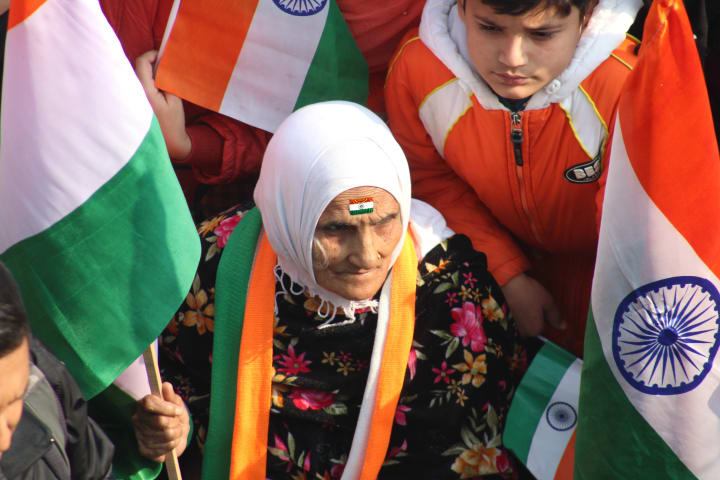
The Republic Day of India is a national holiday that is celebrated on January 26th every year. It is a day to commemorate the adoption of the Constitution of India, which officially declared India as a republic on January 26th, 1950. This day is celebrated with great fervor and enthusiasm all over the country, and it is a day to celebrate the unity in diversity of India.
The history of India's independence and the subsequent formation of the republic is a long and complex one. The British colonial rule in India lasted for over 200 years, during which time the Indian people were subjected to numerous injustices and inequalities. The struggle for independence was led by a number of leaders, including Mahatma Gandhi, Jawaharlal Nehru, Sardar Patel, and others.
The Indian National Congress, under the leadership of Gandhi, launched a non-violent civil disobedience movement against the British in the 1920s. This movement gained momentum over the years, and by the 1940s, the British government was forced to consider the possibility of granting India independence.
On August 15th, 1947, India finally achieved independence from British colonial rule. However, the country was divided into two separate nations: India and Pakistan. The partition led to widespread violence and displacement of millions of people, and it was a tragic time for the country.
Despite the challenges, the newly independent India set about the task of building a new nation. A constituent assembly was formed to draft a new Constitution for the country. This assembly was made up of representatives from all over India, and it was tasked with creating a Constitution that would reflect the diverse and multicultural nature of India.
The drafting of the Constitution was a long and difficult process, but finally, on January 26th, 1950, the Constitution of India was adopted. This Constitution declared India to be a republic, and it established a system of government based on the principles of democracy and equality.
The Republic Day is celebrated with a grand parade in the capital city of New Delhi. The President of India, who is the chief guest of the parade, unfurls the national flag, and a 21-gun salute is fired in honor of the occasion. The parade is attended by a large number of people, including dignitaries from other countries, and it is a grand spectacle that showcases the cultural diversity of India.
On this day, schoolchildren dressed in traditional clothes, representing different states of India, march in the parade. The parade starts from the Rashtrapati Bhavan and passes through Rajpath, India Gate and ends at Red Fort. The parade also includes floats representing different states, showcasing their culture and heritage.
The Republic Day is also celebrated in other parts of the country with similar grandeur and enthusiasm. In various states, the day starts with flag hoisting ceremony, followed by a parade and cultural programs. People from all walks of life, regardless of their religion, caste or creed, come together to celebrate this day.
In conclusion, The Republic Day of India is a day to celebrate the unity in diversity of the country. It is a day to remember the sacrifices and struggles of the freedom fighters who fought for India's independence, and it is a day to celebrate the adoption of the Constitution of India, which established a republic based on the principles of democracy and equality. It is a day to celebrate the diversity of India, and to reaffirm our commitment to building a strong and united nation.
"A Nation United: The Triumphant Journey of India's Republic Day":
The Republic Day of India is a day of national significance that is celebrated every year on January 26th. It marks the day when the Constitution of India was adopted and India officially became a republic. This day is a symbol of the triumph of a united nation, and it is a time for the people of India to come together and celebrate their shared heritage and culture.
The journey to India's republic status was not an easy one. The country had been under British colonial rule for over 200 years, and the struggle for independence was a long and difficult one. The Indian National Congress, under the leadership of Mahatma Gandhi, launched a non-violent civil disobedience movement against the British in the 1920s. This movement gained momentum over the years, and by the 1940s, the British government was forced to consider the possibility of granting India independence.
On August 15th, 1947, India finally achieved independence from British colonial rule. However, the country was divided into two separate nations: India and Pakistan. The partition led to widespread violence and displacement of millions of people, and it was a tragic time for the country.
Despite the challenges, the newly independent India set about the task of building a new nation. A constituent assembly was formed to draft a new Constitution for the country. This assembly was made up of representatives from all over India, and it was tasked with creating a Constitution that would reflect the diverse and multicultural nature of India.
The drafting of the Constitution was a long and difficult process, but finally, on January 26th, 1950, the Constitution of India was adopted. This Constitution declared India to be a republic, and it established a system of government based on the principles of democracy and equality.
The Republic Day is celebrated with great enthusiasm and pride all over the country. In the capital city of New Delhi, a grand parade is held, attended by dignitaries from other countries, and it is a grand spectacle that showcases the cultural diversity of India. The parade starts from the Rashtrapati Bhavan and passes through Rajpath, India Gate and ends at Red Fort. The parade also includes floats representing different states, showcasing their culture and heritage.
In addition to the parade, there are cultural programs and events held all over the country to celebrate this day. Schools and colleges organize patriotic programs, and people from all walks of life, regardless of their religion, caste or creed, come together to celebrate this day.
The Republic Day is not just a celebration of the adoption of the Constitution, but it is also a celebration of the unity and diversity of the nation. It is a day to remember the sacrifices and struggles of the freedom fighters who fought for India's independence, and it is a day to reaffirm our commitment to building a strong and united nation.
As India continues to progress and evolve, the Republic Day serves as a reminder of the triumphs and challenges of the past and a celebration of the unity and diversity that defines the nation. It is a day to celebrate the resilience and perseverance of the Indian people and to look forward to an even brighter future for the country.
In conclusion, The Republic Day of India is a day that symbolizes the triumph of a nation united. It is a day to celebrate the adoption of the Constitution of India and the establishment of a republic based on the principles of democracy and equality. It is a day to celebrate the diversity and unity of India, and to reaffirm our commitment to building a strong and united nation. It is a day of national pride and celebration, and one that will always hold a special place in the hearts of all Indians.
About the Creator
Keep reading
More stories from Mohammed thanvir and writers in FYI and other communities.
2 Motivational story for 2023
2023: A Year of New Beginnings and Endless Possibilities": 2023 was a year of new beginnings and endless possibilities. The world was still recovering from the events of the previous years, but there was a sense of hope and optimism in the air. People were ready to move forward and make the most of the opportunities that lay ahead.
By Mohammed thanvir3 years ago in Futurism
A Failed Artist, A Disillusioned Poet, An Underpaid Game Show Host
I took my son and niece to Gori, a small town in Georgia where Joseph Stalin was born. They talked me into visiting the Stalin's Museum, the largest in the post-Soviet space. I had resisted going there because I just can't stand the monster and know enough about him, or so I thought.
By Lana V Lynx8 days ago in FYI
What Is MICE Travel? A Complete Guide for Corporate Decision-Makers
Corporate travel has changed. Businesses no longer plan meetings and events as isolated activities. Instead, they rely on structured systems that combine logistics, travel, planning, and execution. This is where MICE travel plays a critical role.
By All 4 Seasona day ago in FYI



Comments
There are no comments for this story
Be the first to respond and start the conversation.