
10 Fake Foods in China You Absolutely Need to Watch Out For
From eggs to honey, discover the shocking foods that aren’t what they seem and how to spot them.

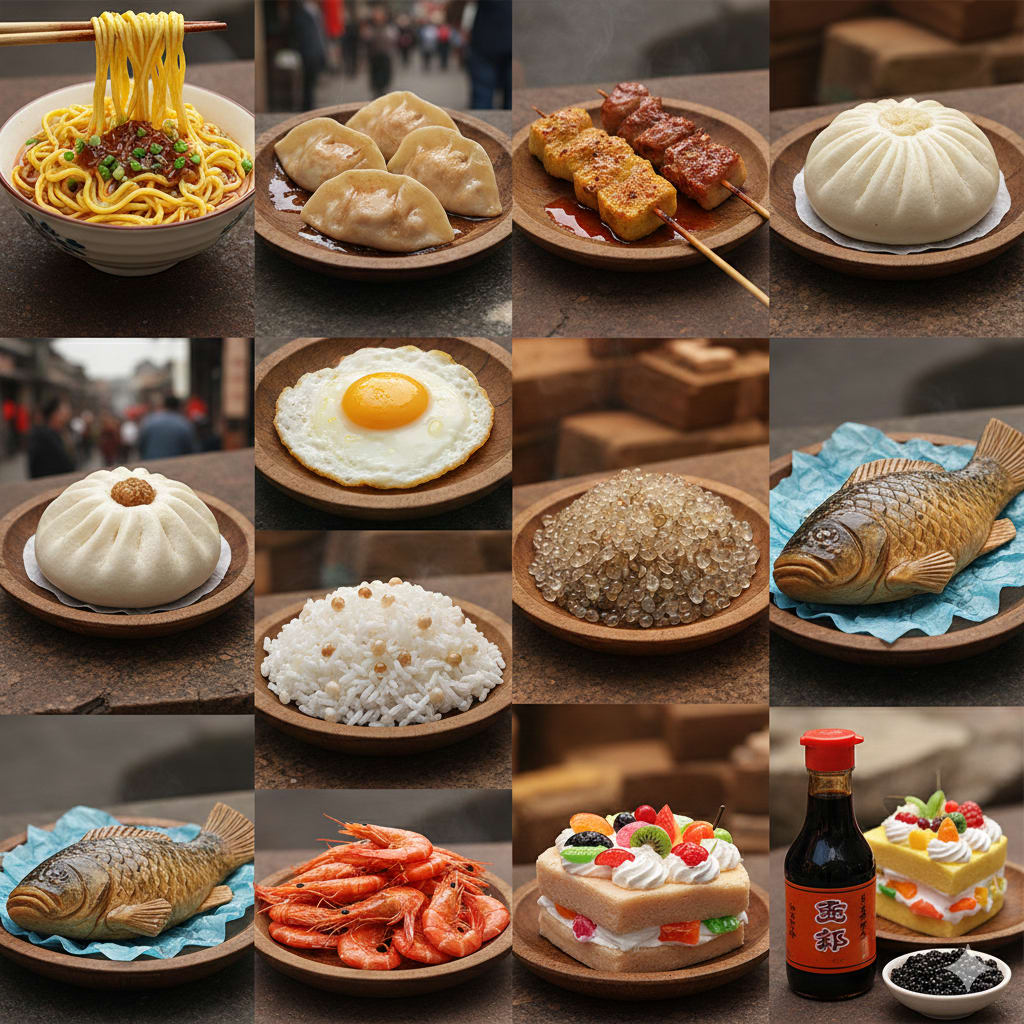
China is famous for its delicious cuisine, vibrant street markets, and mouthwatering regional specialties. From sizzling street food to authentic restaurant dishes, the culinary experiences are unforgettable. But while exploring, travelers and even locals need to stay vigilant. China is also infamous for fake products, and sadly, that includes food.
Here’s a list of 10 fake foods in China that you should be careful about, how they’re made, and ways to spot them.
1. Fake Eggs
Eggs might look harmless, but some are entirely man-made. These imitation eggs use starch, coagulants, resin, and pigments to mimic real eggs.
How to spot them:
- Perfectly smooth and round shape
- No faint egg smell
- Hollow sound when tapped
- Egg white and yolk mix immediately when cracked
Why it’s dangerous: Eating these eggs frequently may lead to memory loss and dementia.
2. Walnuts Filled with Cement
Yes, it sounds insane, but some vendors replace walnut meat with cement and paper. This lets them sell the fake nuts separately and make more profit.
Tip: Shake the walnut. Real walnuts have a distinct sound; fake ones are silent or feel unnaturally heavy.
3. Fake Beef
Ever ordered beef noodle soup only to find it tastes a little off? Some restaurants use pork disguised as beef, using beef extract. It turns the pork brown, smells like beef, and even passes as stewed beef after cooking.
Warning: Pork is cheaper, which is why some vendors use this trick.
4. Black and White Pepper Made from Dirt and Flour
Yes, even seasonings aren’t safe. Investigations found black pepper made from local mud and white pepper primarily from flour.
Pro tip: If the price seems suspiciously low, it could be fake.
5. Fake Honey
Around 60-70% of honey in China is adulterated. It may be mixed with beetroot syrup, rice syrup, or sugar syrup.
Why it’s a problem: Honey is naturally sweet, so fake honey is hard to detect. It’s even banned in some countries due to authenticity issues.
6. Plastic Rice
Fake rice made from potatoes, sweet potatoes, and plastic has been on the market for years. While it looks real, it stays hard after cooking. Eating it frequently can cause digestive problems or worse.
Tip: Watch the texture and cooking behavior of real rice softens properly.
7. Rat Mutton
Authorities have discovered rat meat disguised as mutton, often used in hot pots. Chemical treatments make the meat look similar, but fake mutton’s fat separates easily from lean parts.
Pro tip: Inspect meat closely before cooking.
8. Chemical Tofu
Some dried tofu sticks contain toxic chemicals like Rangal Light, an industrial bleaching agent. It makes tofu brighter and chewier, but it can be deadly in high amounts.
Warning: Avoid suspiciously shiny or unusually chewy tofu.
9. Fake Wine
China imports lots of French wine, but some distributors pour cheap wine into expensive bottles. Other alcoholic drinks may also be adulterated, containing dangerous chemicals.
Tip: Stick to reputable wine shops and brands.
10. Cardboard Buns
Some vendors have been caught using soaked cardboard mixed with pork fat and leeks as a filling for steamed buns. This keeps costs down but is extremely unsafe.
Tip: Always buy buns from trusted vendors or restaurants.
Final Thoughts
China is a beautiful country with incredible food, but fake and toxic foods are a real concern. Even locals inspect ingredients carefully, so travelers should too. Remember, this isn’t just about losing money; it’s about your health and safety.
Be cautious, enjoy authentic experiences, and stay informed while exploring China’s amazing culinary world.
About the Creator
Areeba Umair
Writing stories that blend fiction and history, exploring the past with a touch of imagination.
Keep reading
More stories from Areeba Umair and writers in FYI and other communities.
Seal Team 6 vs Delta Force: Inside the U.S. Military’s Most Elite Units
The United States Armed Forces is one of the strongest in the world, and being part of it is a badge of honor that soldiers carry for life. While most civilians know about branches like the Army, Marines, and Air Force, our understanding of the elite special forces is often limited.
By Areeba Umair2 days ago in FYI
The Tango Connection
I suppose I've become a writer so I wouldn't bore everyone to death telling them my stories. Reading them is reading. Not the same. There's rhythm. And timing and, most importantly, drama and suspense. Unless you have tremendous magnetism and an undeniable stage presence, there's no way you can engage an audience the way you can by writing your story. That's my opinion.
By Rene Volpi 2 days ago in Beat



Comments
There are no comments for this story
Be the first to respond and start the conversation.